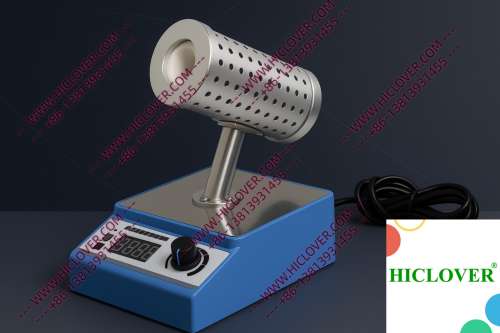
In laboratories worldwide, biosafety challenges are becoming increasingly complex. As research in microbiology expands, so do the demands for effective sterilization solutions that can adapt to various workflows. Traditional methods, such as alcohol lamps and Bunsen burners, are giving way to innovative sterilization equipment. Among them, the Micro Incinerator, also known as the Infrared Inoculating Loop Sterilizer, stands out as a lightweight, efficient option for maintaining sterile environments.
The Technical Principle Behind Micro Incinerators
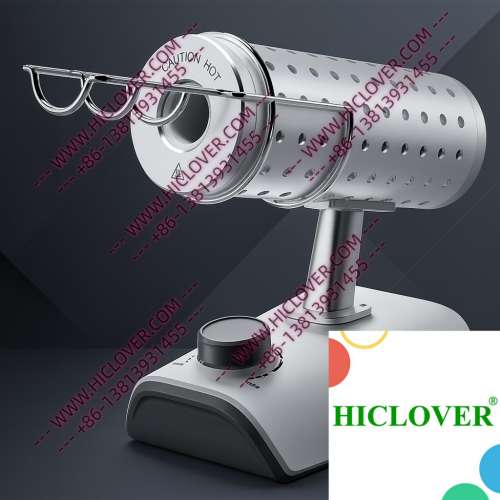
The Micro Incinerator operates on the principle of rapid thermal sterilization. Utilizing an enclosed ceramic heating chamber, it generates infrared heat that quickly elevates the temperature of inoculating loops, making it ideal for effective disinfection. This innovative design provides several advantages over traditional flame sterilizers:
- Reduction in combustion byproducts, minimizing contamination risks.
- Enhanced accuracy in controlling heat application.
- Safe usage in clean-room environments, preventing fire hazards associated with open flames.
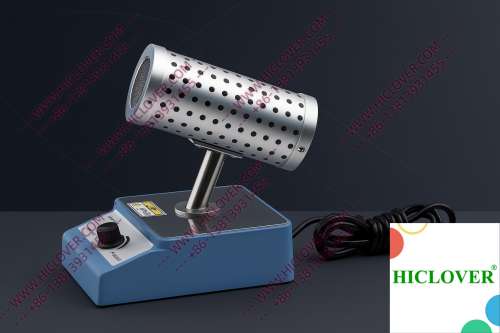
The ceramic tube design of the Micro Incinerator allows for a shielded area of heat application, ensuring the surrounding surfaces and personnel are protected from the extreme temperatures generated. With a quick heat-up time and direct application of infrared radiation, labs can enjoy a more effective sterilization process that meets modern standards.
Application Scenarios in Real Labs
1. Teaching Labs in Universities
Imagine a university teaching lab where future microbiologists learn the essentials of aseptic techniques. The use of Micro Incinerators provides students with a safe yet effective means to sterilize inoculating loops. Unlike traditional flame sterilizers, the Micro Incinerator minimizes risks of burns and fire hazards, allowing students to focus on their studies without the distractions of worries surrounding open flames.
2. BSL-2 and BSL-3 Microbiology Labs
In high containment laboratories such as BSL-2 and BSL-3 environments, where handling pathogenic microorganisms is routine, the Micro Incinerator’s enclosed design is invaluable. After manipulating specimens, microbiologists can quickly sterilize their tools without generating aerosols that could compromise the clean air standards required in such settings. This efficiency not only boosts lab productivity but enhances biosafety, ensuring compliance with stringent health regulations.
Compliance and Environmental Standards
The WHO biosafety guidelines outline critical protocols for sterilization and contamination control in laboratories. Compliance with these standards has become essential, especially in the wake of concerns surrounding infectious diseases. Micro Incinerators align perfectly with these regulations, allowing labs to use sterilization methods that are flame-free, thus maintaining cleanroom integrity and reducing the risk of contamination caused by combustible materials.
Furthermore, many labs are opting to eliminate open-flame techniques to enhance worker safety. In regions such as Europe and North America, stringent lab sterilization standards advocate for equipment that reduces the hazards associated with alcohol flames. Micro Incinerators fit the bill, offering an effective and environmentally friendly alternative.
Comparison Table: Micro Incinerator vs. Flame Burners
| Feature | Micro Incinerator | Flame Burners |
|---|---|---|
| Heat Source | Infrared Radiation | Open Flame |
| Safety | Low Risk of Burns and Fire | High Risk of Burns and Fires |
| Ease of Use | Quick Activation | Time to Ignite |
| Environmental Impact | Low Emissions | Combustion Byproducts |
Frequently Asked Questions
What is the advantage of using a Micro Incinerator over traditional flame sterilizers?
The Micro Incinerator provides rapid sterilization without the associated risks of fire and burns. Additionally, it offers a clean and efficient way to handle tools, ensuring a safer laboratory environment.
How quickly can a Micro Incinerator sterilize an inoculating loop?
Typically, a Micro Incinerator can achieve optimal sterilization in about 10-15 seconds, making it far quicker than traditional methods.
Are Micro Incinerators compliant with global biosafety standards?
Yes, Micro Incinerators are designed to comply with many international biosafety standards, including those set by the WHO and various national regulatory bodies.
Can Micro Incinerators be used in field testing laboratories?
Absolutely! Their lightweight and portable design make Micro Incinerators ideal for field testing scenarios, where reliable sterilization is critical.
How does the Micro Incinerator enhance workflow in clinical diagnostics?
The Micro Incinerator streamlines lab processes by reducing the steps necessary for sterilization. Its efficiency allows clinicians to focus more on patient diagnostics rather than lab maintenance.
Conclusion
In conclusion, as laboratories continue to face evolving biosafety challenges, the transition towards lightweight and effective sterilization solutions like the Micro Incinerator is essential. Its advantages in safety, efficiency, and compliance make it a significant contender in modern laboratory equipment. For those looking to elevate their sterilization practices, considering the Micro Incinerator could be the next pivotal step. Reach out today for more information or to explore purchasing options for your laboratory needs.
Categories:
Tags: