
As laboratory operations increasingly prioritize biosafety and environmental sustainability, the need for effective sterilization methods is more critical than ever. Laboratories in Lisbon are facing practical challenges regarding waste management, contamination control, and adherence to stringent sterilization workflows. To address these pressing demands, many institutions are implementing innovative solutions such as the Micro Incinerator/Infrared Inoculating Loop Sterilizer. This small yet powerful device is revolutionizing laboratory practices by providing rapid thermal sterilization while minimizing environmental impact.
Understanding Micro Incinerators: Operational Principles
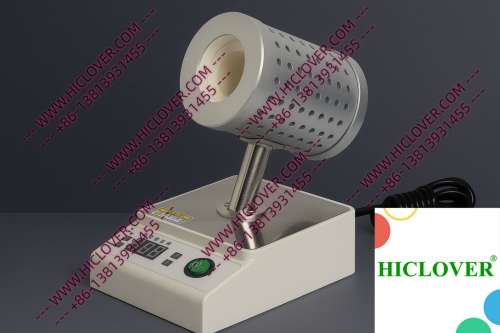
The Micro Incinerator operates on a fundamental principle of infrared heat, utilizing an enclosed ceramic heating chamber that quickly reaches high temperatures suitable for sterilization. Unlike traditional flame sterilizers, such as alcohol lamps and Bunsen burners, which can produce harmful aerosols and pose safety hazards, the Micro Incinerator provides a clean-bench-safe solution. The infrared technology enables precise temperature control, reducing the risk of overheating and ensuring thorough disinfection of inoculating loops, needles, and other lab instruments.
Advantages of Micro Incinerators Over Traditional Flame Sterilizers
| Feature | Micro Incinerator | Flame Sterilizer |
|---|---|---|
| Temperature control | Precise and adjustable | Variable and hard to stabilize |
| Contamination risk | Minimal aerosol production | High aerosol risk |
| Eco-friendliness | Minimal carbon footprint | Higher carbon emissions |
| Sterilization time | Rapid (< 10 seconds) | Longer (15-30 seconds) |
| Safety | No open flame | Open flame hazards |
Practical Applications in Laboratory Settings
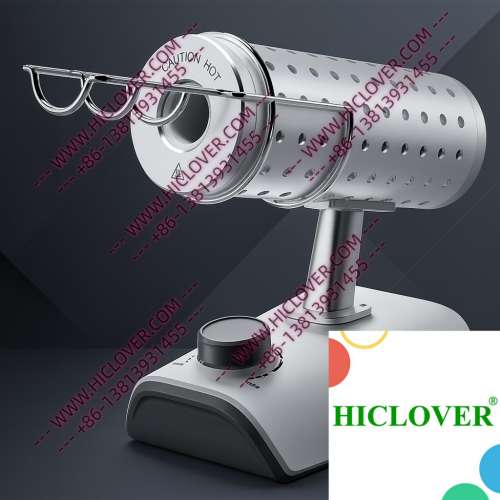
The versatility of Micro Incinerators makes them essential in various laboratory scenarios. Here are two prominent application areas:
- Biosafety Cabinets: Used in BSL-2 and BSL-3 microbiology labs, the Micro Incinerator operates safely within biosafety cabinets, allowing for efficient sterilization without compromising containment protocols. It aids in preventing cross-contamination during pathogen handling and ensures a sterile working environment for microbiologists.
- Teaching Labs: In university teaching labs, where students are learning sterilization techniques, the Micro Incinerator serves as an excellent educational tool. Its rapid sterilization capability reduces waiting times between experiments, promoting a smooth flow of practical laboratory work while instilling best practices among students regarding contamination control.
Compliance and Environmental Responsibility
Adherence to international biosafety standards is vital for hospitals and laboratories, particularly those located in Lisbon. The World Health Organization (WHO) sets strict guidelines for laboratory sterilization, emphasizing the need for effective waste management systems to mitigate the risks associated with hazardous medical waste.
Micro Incinerators align with these standards, particularly as they do not produce residues like traditional flame sterilizers. They contribute to a cleaner environment, adhering to European regulations aimed at reducing carbon footprints across medical and laboratory practices. The absence of flame also ensures that they are compliant for use in clean rooms and sensitive laboratory settings, where open flames are strictly prohibited.
FAQ Section
- What is the lifespan of a Micro Incinerator?
While this may vary by usage, Micro Incinerators typically have a long lifespan, often outlasting traditional methods due to their resilient construction and reliable performance. - Can Micro Incinerators be used for all types of laboratory instruments?
Micro Incinerators are particularly effective for inoculating loops, needles, and metal tools, but it is crucial to check specifications for other instrument types. - How does the Micro Incinerator impact laboratory workflow?
By providing rapid thermal sterilization (within 10 seconds), it enhances laboratory efficiency, reducing downtime in workflows related to contamination control. - Is training required to operate a Micro Incinerator?
While operating a Micro Incinerator is relatively straightforward, proper training and understanding of sterilization principles are advisable for best practices and safety. - What is the energy consumption of a Micro Incinerator?
The Micro Incinerator is designed for efficiency, generally consuming less energy compared to traditional flame sterilizers due to its rapid operational capabilities.
Conclusion: Embrace the Future of Laboratory Sterilization
The shift towards eco-friendly and efficient laboratory practices is not just a trend; it is a necessity for institutions dedicated to improving safety and sustainability. Micro Incinerators represent a vital step in this evolution, offering enhanced sterilization capabilities while respecting the environment. If you are ready to upgrade your sterilization workflow and align with modern biosafety standards, consider investing in a Micro Incinerator. Contact us for further details and to explore how this innovative equipment can make a difference in your lab.