
In the realm of laboratory biosafety, the need for effective sterilization methods remains crucial. Laboratories across Johannesburg are facing day-to-day challenges related to contamination control, workflow efficiency, and compliance with global sterilization standards. The improved handling of sterilization procedures hinges on advanced technologies that deliver rapid and effective results, especially when it comes to instruments like the Micro Incinerator / Infrared Inoculating Loop Sterilizer. This article delves into why these sterilizers are increasingly becoming the preferred choice for laboratories in South Africa.
Understanding the Technical Principles of Infrared Sterilization
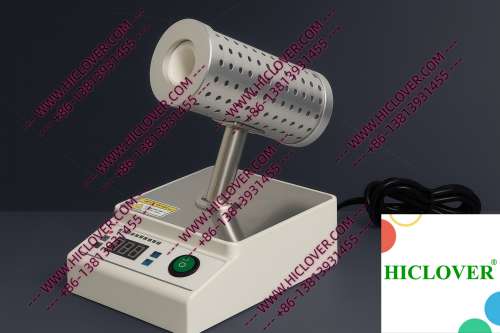
The Micro Incinerator leverages the principles of infrared heat to ensure rapid thermal sterilization of inoculating loops and other laboratory instruments. Unlike traditional flame sterilizers, such as alcohol lamps or Bunsen burners, the Micro Incinerator employs an enclosed ceramic heating chamber that produces a concentrated heat source. This design minimizes the chance of environmental contamination and offers a clean-bench-safe solution without the open flame hazard.
When the ceramic tube is heated to a high temperature, it creates a germicidal effect that effectively eradicates pathogens in mere seconds. This technology allows for not only faster sterilization cycles but also reduces the production of aerosols, which is critical in maintaining a safe laboratory environment.
Advantages Over Traditional Flame Sterilizers
- Safety: Eliminates open flames, reducing fire hazards significantly.
- Efficiency: Faster sterilization cycles can improve workflow and laboratory productivity.
- Contamination Control: Enhanced ability to prevent cross-contamination, particularly in BSL-2 and BSL-3 labs.
- Clean Room Compatibility: Ideal for sterile environments where open flames and smoke are prohibited.
Real-World Applications in Laboratories
Across Johannesburg, the adoption of the Micro Incinerator has transformed the workflow in various laboratory settings. Here are two specific scenarios showcasing its impact:
Scenario 1: University Teaching Labs
In many university teaching labs dedicated to microbiology, students are trained in the fundamentals of sterilization. Utilizing the Micro Incinerator allows instructors to demonstrate the importance of thermal sterilization without the risks associated with flames. This tool not only enhances the learning experience but also ensures that future scientists understand biohazard safety, especially when working with virulent strains in BSL-2 environments.
Scenario 2: Field Testing Laboratories
In field testing laboratories, scientists encounter the challenge of sterilizing instruments in varying conditions. The portability and efficiency of the Micro Incinerator make it the ideal choice for mobile labs engaged in environmental monitoring. Whether it’s bacteriological sampling in the field or quick testing in remote areas, the infrared inoculating loop sterilizer provides reliability without compromising biosafety.
Compliance and Environmental Considerations
Compliance with biosafety standards is non-negotiable in any laboratory setting. The WHO biosafety guidelines emphasize the importance of using effective sterilization techniques to minimize risks associated with pathogen exposure. In clean rooms, the presence of open flames is strictly prohibited due to the generation of aerosols and potential contamination.
Employing technologies like the Micro Incinerator supports compliance with local and international laboratory sterilization standards, ensuring a safe environment for both lab personnel and research integrity. By investing in advanced sterilization technologies, labs not only adhere to safety standards but also enhance their operational efficiency.
FAQs about Micro Incinerators
1. How fast can a Micro Incinerator sterilize an inoculating loop?
The Micro Incinerator can achieve sterilization in less than 10 seconds, significantly faster than traditional methods.
2. Is the Micro Incinerator portable for field use?
Yes, the lightweight and compact design makes it suitable for mobile laboratory applications, including field testing and environmental monitoring.
3. Does using the Micro Incinerator contribute to improving laboratory safety?
Absolutely! Its enclosed design eliminates open flames, reducing the risk of fire hazards and improving overall safety in the lab.
4. Can the Micro Incinerator be used in clean rooms?
Yes, it is specifically designed to be safe for use in clean rooms where open flames are prohibited, ensuring contamination control.
5. How does the Micro Incinerator compare to traditional flame burners?
Compared to traditional flame burners, the Micro Incinerator offers faster sterilization cycles, improved safety, and better contamination control.
Conclusion
As Johannesburg continues to galvanize its efforts in laboratory sterilization technologies, the adoption of advanced systems like the Micro Incinerator / Infrared Inoculating Loop Sterilizer becomes not just beneficial but essential. By ensuring compliance with biosafety standards and promoting improved workflow efficiency, these sterilizers are setting new benchmarks for laboratory safety. For laboratories in need of reliable and effective sterilization solutions, investing in a Micro Incinerator can be a pivotal move towards enhanced operational capabilities. Contact us today to explore your options for high-quality infrared inoculating loop sterilizers and take the first step towards a safer, more efficient laboratory environment.
Categories:
Tags: