
In the evolving landscape of laboratory biosafety challenges, the imperative for effective sterilization workflows has never been more prominent. Laboratories across Germany and beyond are consistently confronted with the need for reliable, efficient sterilization of tools and equipment to ensure contamination control. Among the innovative solutions to address these challenges is the Micro Incinerator, specifically designed for rapid thermal sterilization. This device leverages infrared technology to provide a clean, efficient, and eco-friendly means of sterilization.
Understanding Micro Incinerators
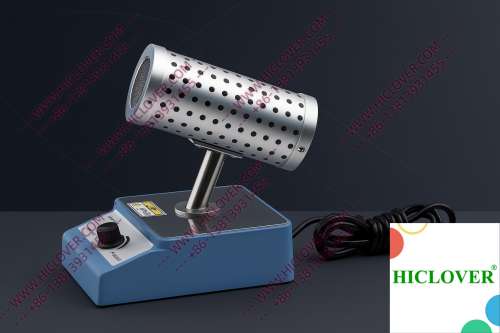
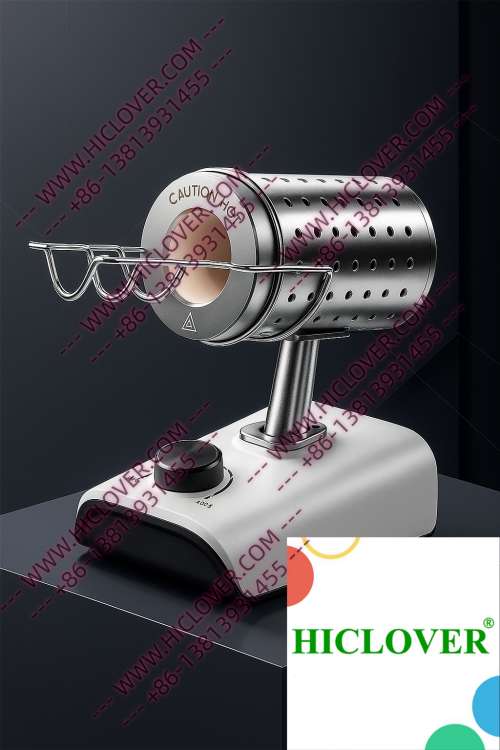
The Micro Incinerator operates on the principle of infrared high-temperature disinfection. Unlike traditional flame sterilizers, such as Bunsen burners or alcohol lamps, this device utilizes a heated enclosed ceramic tube, which reaches temperatures necessary for instant sterilization. This configuration allows for a more controlled environment, devoid of open flames, thereby significantly reducing the risk of aerosol dispersal and contamination, particularly in cleanroom settings.
Technical Features of Micro Incinerators
- Rapid Thermal Sterilization: Capable of achieving sterilization in mere seconds.
- Enclosed Ceramic Tube: Provides uniform heating and reduces the risk of external contamination.
- Portable Design: Ideal for both laboratory and field use.
- Eco-Friendly Operation: Reduces carbon footprint by eliminating the need for fuel-based burners.
- Adhering to biosafety standards through controlled sterilization processes.
- Eliminating flame hazards, making them suitable for use in clean rooms where ignition sources are strictly prohibited.
Applications of Micro Incinerators in Laboratories
Micro Incinerators are especially beneficial in various laboratory settings such as biosafety cabinets, field testing stations, and teaching laboratories. Let’s explore two prominent scenarios:
1. Biosafety Cabinet Usage
In a BSL-2 microbiology lab, the demand for a contamination-free environment is paramount. Researchers rely on tools that can be sterilized quickly and safely without compromising the integrity of the workspace. The Micro Incinerator provides an ideal solution by allowing researchers to sterilize inoculating loops and other tools instantly within the safety of the biosafety cabinet. This eliminates the need for traditional flaming techniques, which can introduce potential contamination and hazardous fumes into the airflow.
2. Field Testing Laboratories
For field testing, where mobile labs operate in diverse environments, the portability of Micro Incinerators is invaluable. Researchers working in environmental monitoring or clinical diagnostics can efficiently sterilize their equipment on-site, ensuring results remain uncontaminated. This capability supports the rigorous demands of field testing, making it easier to adhere to stringent biosafety and sterilization protocols without the logistical burden of transporting heavy or fuel-based sterilization equipment.
Compliance with Biosafety Standards
As environmental concerns become increasingly central in lab operations, compliance with established biosafety standards is crucial. The World Health Organization (WHO) provides guidelines that underscore the importance of maintaining biosafety practices, particularly in laboratories handling pathogens. Micro Incinerators offer a compliant alternative to traditional flame-based sterilizers by:
The integration of Micro Incinerators within laboratory environments allows for an effective way to manage sterilization while meeting regulatory requirements, thus improving overall safety and operational efficiency.
Advantages over Traditional Flame Sterilizers
When comparing Micro Incinerators to traditional flame sterilizers, the benefits become evident. Here’s a concise comparison:
| Feature | Micro Incinerator | Flame Sterilizer |
|---|---|---|
| Efficiency | Instant sterilization | Time-consuming heating |
| Contamination Risk | Minimal | High due to open flames |
| Portability | Highly portable | Limited mobility |
| Compliance | Meets WHO standards | Often non-compliant in clean environments |
FAQs About Micro Incinerators
What is a Micro Incinerator used for?
A Micro Incinerator is primarily used for rapid sterilization of laboratory equipment such as inoculating loops and needles, providing a cleaner alternative to traditional flame sterilization methods.
How does a Micro Incinerator work?
It operates by utilizing infrared heat generated within an enclosed ceramic tube, providing consistent and rapid thermal sterilization without the contamination risks associated with open flames.
Are Micro Incinerators environmentally friendly?
Yes, they are designed to be eco-friendly by eliminating the need for fuel-based burners, thereby reducing carbon emissions and improving energy efficiency in laboratory settings.
Can a Micro Incinerator be used in a cleanroom?
Absolutely! Micro Incinerators are ideal for use in cleanrooms as they operate without open flames, reducing the risk of ignition and contamination.
How portable are Micro Incinerators?
Micro Incinerators are lightweight and compact, making them easy to transport for use in field testing as well as standard laboratory environments.
Conclusion
As laboratories in Germany and across the globe pursue more sustainable and compliant solutions to biosafety challenges, the Micro Incinerator emerges as a powerful ally. Its advanced sterilization capabilities, ease of use, and adherence to biosafety standards make it an indispensable tool for modern laboratory operations. For those seeking to enhance their sterilization protocols and improve lab safety, consider investing in a Micro Incinerator. Feel free to reach out for more information or to place an order! Together, we can elevate laboratory safety to new standards.
Categories:
Tags: