
Meeting Laboratory Biosafety Challenges
In today’s laboratory environments, especially in the UK, biosafety standards are of utmost importance to prevent contamination and ensure reliable results. Laboratory specialists frequently encounter the challenge of efficiently sterilizing inoculating loops, needles, and other tools used in microbiological processes. Traditional methods such as alcohol lamps or Bunsen burners, while common, pose considerable safety risks, including open flames and smoke interference in clean environments. As the need for safer, more efficient sterilization methods grows, the role of micro incinerators, especially the Infrared Inoculating Loop Sterilizer, emerges as an innovative solution.
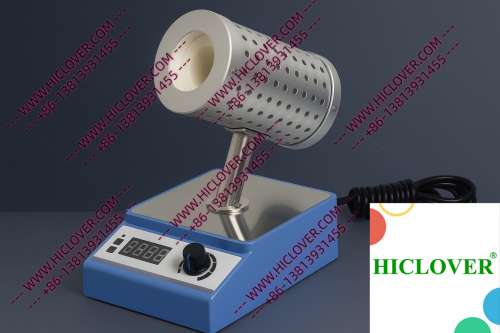
Technical Principles of Micro Incinerators
The micro incinerator operates on the principle of rapid thermal sterilization, utilizing infrared radiation to achieve high temperatures without the need for an open flame. Comprised of an enclosed ceramic heating chamber, it generates intense infrared heat that sterilizes equipment in seconds. This design ensures that the sterilization process is both efficient and safe, creating a clean atmosphere free from combustion byproducts, which is critical in sensitive environments such as biosafety cabinets.
Design Features
- Enclosed ceramic tube for effective heat retention
- Rapid thermal recovery for continuous operation
- Aerosol-free handling minimizes contamination risk
- Compact design suitable for limited workspace
- Ease of use with minimal training required
- Meets lab sterilization standards without the need for open flames, making it compliant with clean-room protocols.
- Minimizes hazardous emissions often associated with flame sterilizers.
- Safeguards personnel and patients, particularly in clinical diagnostic settings.
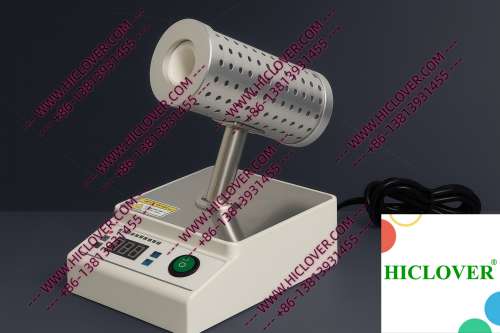
Application Scenarios in Real Laboratories
1. Biosafety Cabinets
In BSL-2 and BSL-3 microbiology labs, maintaining strict contamination controls is vital. Traditional sterilizers often cannot be used within biosafety cabinets due to the potential release of flames or vapors. The micro incinerator, however, can be safely deployed in these settings, allowing researchers to sterile instruments quickly without compromising the sterile environment. Its compact design fits seamlessly on a lab workspace while ensuring that the tools stay contamination-free.
2. Field Testing and Mobile Labs
Micro incinerators also shine in field-testing scenarios where traditional sterilization equipment may not be feasible. Mobile labs utilized for environmental monitoring or epidemiological surveys can include micro incinerators as part of their essential equipment. They allow researchers to sterilize tools on-site, reducing the risk of spreading pathogens and enhancing the safety of both field personnel and study integrity.
Compliance and Environmental Considerations
Adherence to international and local biosafety regulations, such as those set by the World Health Organization (WHO), is crucial for laboratory operations. The micro incinerator tops traditional methods for several reasons:
With the implementation of eco-friendly procedures in the UK, embracing micro incinerators aligns perfectly with the goals of reducing waste while ensuring laboratory safety.
FAQs about Micro Incinerators
What is a micro incinerator?
A micro incinerator is an advanced sterilization device that uses infrared heat to sterilize laboratory tools quickly and safely.
How is a micro incinerator different from traditional flame sterilizers?
Unlike traditional flame sterilizers, micro incinerators eliminate the risk of open flames, are compact, and provide faster sterilization without producing harmful fumes.
Are micro incinerators safe in BSL-2 or BSL-3 labs?
Yes, micro incinerators are designed to be safe for use in BSL-2 and BSL-3 environments, adhering to strict biosafety standards.
Can micro incinerators be used in field labs?
Absolutely! Their portability and efficiency make them ideal for field laboratories that require on-site sterilization.
What maintenance do micro incinerators require?
Micro incinerators require minimal maintenance, primarily involving regular cleaning of the ceramic heating chamber to maintain optimal performance.
Comparison of Sterilization Solutions
| Feature | Micro Incinerator | Flame Sterilizer |
|---|---|---|
| Temperature Control | Precise infrared control | Variable, dependent on flame size |
| Safety | No open flame | Risk of fire and burns |
| Environmental Impact | Low emissions | Increased emissions |
| Efficiency | Instant, aerosol-free | Slower with potential aerosol exposure |
Conclusion
The integration of micro incinerators into laboratory practices represents a major step forward in addressing the dual challenges of biosafety and effective waste reduction. As the UK and the global community seek local solutions to larger environmental issues, adopting such innovative sterilization solutions can lead to better laboratory outcomes. If you are looking to modernize your laboratory’s sterilization practices, consider investing in a Micro Incinerator or Infrared Inoculating Loop Sterilizer. For more information or to make a purchase, please do not hesitate to contact us today.
Categories:
Tags: