
Laboratory biosafety presents multifaceted challenges, particularly in regions where resources are limited. As laboratories strive to maintain a sterile environment while ensuring efficient workflows, the need for reliable sterilization methods becomes critical. The Micro Incinerator, or Infrared Inoculating Loop Sterilizer, offers a groundbreaking solution specifically tailored to address these demands, especially in laboratories operating under stringent biosafety levels such as BSL-2 and BSL-3.
The Need for Advanced Sterilization Solutions
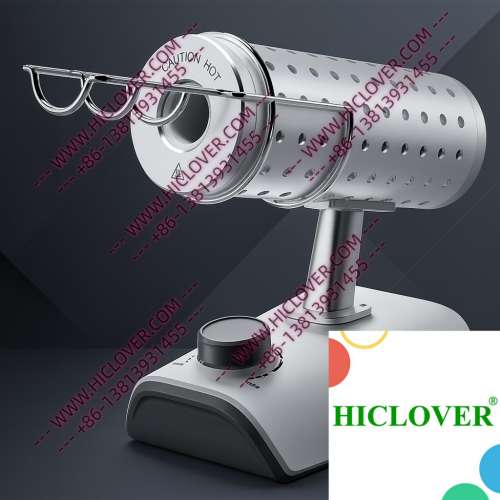
In traditional laboratories, flame-based sterilization methods, including alcohol lamps and Bunsen burners, are commonly employed. However, these methods pose several challenges, such as risk of contamination, aerosol generation, and limited usability in cleanroom environments. Furthermore, the reliance on open flames presents an additional layer of risk in terms of laboratory safety and fire hazards.
Technical Principles of Micro Incinerator Technology
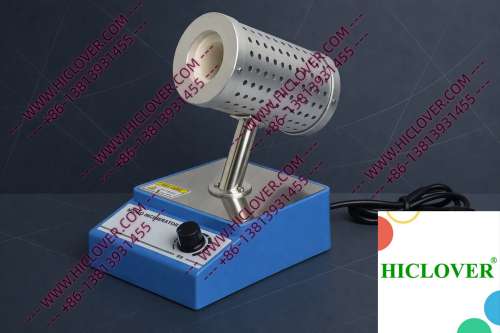
The Infrared Inoculating Loop Sterilizer operates on the principle of rapid thermal sterilization through infrared heat. This modern sterilization device features an enclosed ceramic heating chamber that achieves high temperatures quickly. The ceramic tube design not only enables efficient heat retention but also minimizes contamination risks during the sterilization process. Unlike traditional flame sterilizers, the micro incinerator achieves temperatures exceeding 800 degrees Celsius, ensuring effective disinfection while remaining clean-bench-safe.
- Rapid Thermal Sterilization: Achieves high temperatures quickly for efficient sterilization.
- Contamination Control: Enclosed design prevents exposure to contaminants.
- Aerosol-Free Handling: Reduces the risk associated with aerosol transmission.
- Cleanroom Compatibility: Adheres to cleanroom safety protocols, eliminating the need for open flame.
- WHO biosafety recommendations
- ISO laboratory sterilization standards
- Regulations for cleanroom operations and safe handling
Application Scenarios in Real Labs
1. Biosafety Cabinet Operations
In BSL-2 laboratories, the use of a Micro Incinerator is integral during microbiological research and diagnostics. When conducting experiments involving pathogenic microorganisms, maintaining a sterile environment is of utmost importance. The micro incinerator can be stationed within a biosafety cabinet, allowing technicians to efficiently sterilize inoculating loops without compromising the sterile field. Its compact size and minimal footprint enable seamless integration into existing workflows.
2. Mobile or Field Testing Laboratories
In resource-limited settings, such as mobile health clinics or field testing laboratories, the need for portable yet effective sterilization methods is paramount. The Infrared Inoculating Loop Sterilizer can easily be transported to and utilized in various locations, providing researchers and healthcare workers the ability to sterilize equipment in situ. This feature is particularly beneficial when conducting field studies in rural areas or during emergency response situations where traditional sterilization options may be impractical.
Compliance with Biosafety Standards
As global health organizations, such as the WHO, emphasize the importance of biosafety in laboratory practices, the Micro Incinerator stands out for its adherence to established sterilization standards. Traditional flame sterilizers often struggle to meet the strict requirements for cleanroom environments, where the presence of open flames can generate aerosols and introduce contaminants. The infrared sterilization technology of the Micro Incinerator allows for compliance with:
Advantages of Micro Incinerators Over Traditional Flame Sterilizers
Comparison Table: Micro Incinerator vs. Flame Burners
| Feature | Micro Incinerator | Flame Burners |
|---|---|---|
| Temperature Control | Precise infrared heat control | Dependent on manual flame adjustment |
| Risk of Contamination | Minimal, enclosed design | Higher risk due to open flame |
| Usability in Cleanrooms | Fully compliant | Typically prohibited |
| Response Time | Instant heating | Requires time to establish flame |
| Safety | Less risk of fire hazards | Potential ignition hazards |
FAQs
What is a Micro Incinerator?
A Micro Incinerator, also known as an Infrared Inoculating Loop Sterilizer, is a laboratory device that utilizes infrared heat to effectively sterilize inoculating loops and other small instruments quickly and safely.
How does a Micro Incinerator work?
The device operates on the principle of rapid thermal sterilization, using an enclosed ceramic tube to generate high temperatures that eliminate pathogens without producing aerosols.
Is the Micro Incinerator safe for cleanroom environments?
Yes, the Micro Incinerator is designed for cleanroom compatibility, ensuring no open flames or aerosols are generated during sterilization, thus maintaining sterile conditions.
Can the Micro Incinerator be used in field labs?
Absolutely! Its portability and efficient sterilization capabilities make it ideal for mobile or field testing laboratories.
What are the benefits of using a Micro Incinerator over traditional flame sterilizers?
The Micro Incinerator provides precise temperature control, reduces contamination risks, and complies with cleanroom safety regulations—all advantages over conventional flame sterilizers.
Conclusion
As Uganda takes significant strides in pioneering micro incinerator technology, laboratories worldwide can benefit from the robust sterilization solutions that address mounting biosafety challenges. By integrating the Micro Incinerator into laboratory workflows, users can ensure maximum safety and compliance while promoting efficient sterilization practices. For distributors, hospitals, universities, and research centers looking to enhance their sterilization capabilities, now is the perfect time to explore viable partnerships and invest in this remarkable technology. Contact us today to learn more about our Micro Incinerator solutions.
Categories:
Tags: