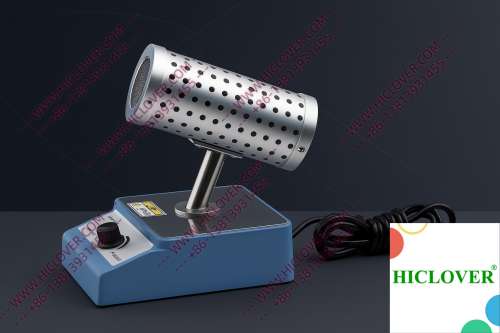
In the bustling healthcare environment of Lagos, Nigeria, maintaining a sterile laboratory space is paramount. With increasing concerns over laboratory biosafety and sterilization workflow demands, it’s vital for hospitals and research centers to adopt effective sterilization technologies. One of the standout innovations in this field is the Micro Incinerator, also known as the Infrared Inoculating Loop Sterilizer. This article delves into the various aspects of loop burners, emphasizing their role in laboratory sterilization, pricing, accessibility, and compliance with biosafety standards.
The Technical Principles Behind Infrared Loop Sterilizers
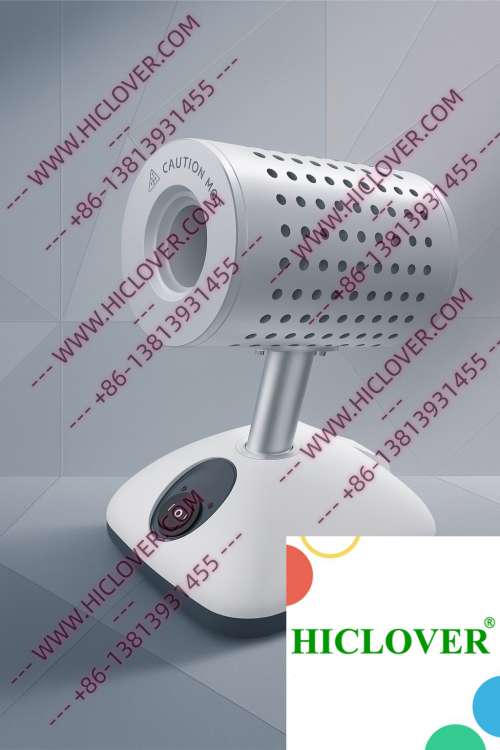
The Micro Incinerator employs infrared heat technology within an enclosed ceramic tube, allowing for rapid thermal sterilization without the risks associated with traditional flame-based sterilizers. This mechanism works by generating intense heat that quickly reaches sterilization temperatures, effectively eliminating microbial contaminants from inoculating loops and other laboratory tools.
An important aspect of this technology is the ceramic heating chamber, which provides a controlled heating environment, thus making it safer and more efficient than conventional methods like alcohol lamps or Bunsen burners. This design leads to improved contamination control and ensures compliance with hospital protocols on flammable materials.
Applications in Real Lab Scenarios
Micro Incinerators find a variety of applications across different laboratory settings:
- Biosafety Cabinets: In BSL-2 and BSL-3 microbiology labs, maintaining a sterile working environment is crucial. The Micro Incinerator is often used within biosafety cabinets to sterilize inoculating loops and other tools without introducing open flames into the sterile area.
- Teaching Labs: University teaching labs benefit significantly from using infrared inoculating loop sterilizers. Students can conduct experiments safely, learning essential microbiological techniques without the hazards associated with flame sterilizers.
- Mobile Testing Units: Field testing laboratories can also implement the Micro Incinerator for on-site sterilization of equipment, effectively traveling with the necessary sterilization technology to remote locations.
Compliance and Environmental Considerations
When it comes to compliance, the Micro Incinerator adheres to WHO biosafety standards and the general principles of laboratory sterilization. Its utilization contributes to a cleaner environment as there is no open flame, making it suitable for cleanroom operations where aerosol management is critical. Unlike traditional flame sterilizers which increase the risk of accidents, the infrared sterilizer ensures safe handling in sensitive laboratory environments.
Comparing Micro Incinerators and Traditional Flame Sterilizers
| Feature | Micro Incinerator | Flame Burners |
|---|---|---|
| Temperature Control | Rapid and precise | Variable, dependent on user skill |
| Safety | No open flames; cleaner | Risk of burns and fires |
| Efficiency | Quick heating and cooling | Longer heat-ups and cool-downs |
| Portability | Compact and user-friendly | Heavier and less portable |
Pricing and Accessibility in Lagos
The cost of Micro Incinerators varies based on specifications and suppliers. Generally, buyers can expect to invest in a few hundred thousand Naira, reflecting the advanced technology and safety features that these devices offer. Accessibility remains a concern, though several local distributors are beginning to provide competitive pricing and enhanced service options to meet the rising demand for laboratory equipment.
For hospitals, research centers, and universities, factoring in the operational costs associated with maintenance, user training, and compliance with local regulations is imperative when considering this sterilization technology. Ensuring a balance between affordability and quality can lead to long-term savings through reduced contamination rates and improved laboratory efficiency.
Frequently Asked Questions
- What makes a Micro Incinerator more efficient than a traditional flame sterilizer?
The Micro Incinerator uses infrared heat technology allowing for rapid thermal sterilization without the risks associated with flames.
- Can I use the Micro Incinerator in a cleanroom environment?
Yes, it is designed for cleanroom operations, eliminating open flames and maintaining a contamination-free space.
- What types of labs can benefit from using Micro Incinerators?
Biosafety labs, teaching institutions, and mobile testing labs all benefit from the safety and efficiency of this sterilization method.
- Are there any special training requirements for using a Micro Incinerator?
Basic training on operational procedures and safety is recommended to maximize the benefits of the device.
- How do Micro Incinerators comply with WHO standards?
Their design and functionality align with WHO biosafety guidelines, ensuring effective sterilization while mitigating risks.
Conclusion
The Micro Incinerator stands out as a vital advancement in laboratory sterilization, especially within Lagos’ healthcare framework. With its ability to provide rapid thermal sterilization, compatibility with cleanroom environments, and user-friendly operation, it outshines traditional flame burners in safety and efficiency. If you’re considering investing in a Micro Incinerator for your laboratory or hospital, we encourage you to contact our team to explore your options and find the best solutions for your needs.
Categories:
Tags: