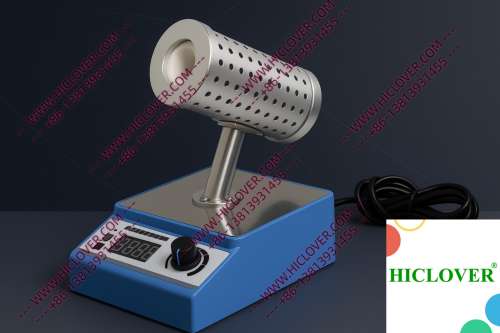
In the battle against bacterial infections, particularly in laboratory settings, ensuring efficient sterilization is vital. Laboratories face numerous biosafety challenges, from managing contamination risks to adhering to strict sterilization workflows. This article delves into the pivotal role of loop sterilization technology, specifically the Micro Incinerator / Infrared Inoculating Loop Sterilizer, in enhancing laboratory sterilization processes, especially in Brazil.
Technical Principles of Infrared Inoculating Loop Sterilizers
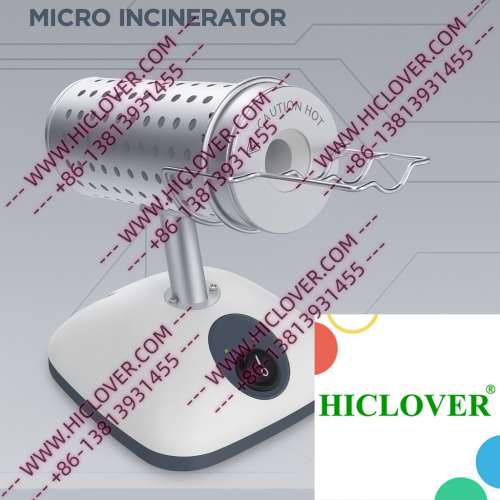
At the heart of the Micro Incinerator’s effectiveness lies its innovative design, which utilizes infrared heat for rapid thermal sterilization. The device incorporates a ceramic heating chamber enclosed within a robust structure, ensuring precise temperature control while minimizing the risk of contamination. Unlike traditional flame sterilizers, such as alcohol lamps or Bunsen burners, the infrared sterilizer does not produce open flames, making it ideal for use in clean environments.
When using the Micro Incinerator, lab personnel can achieve high-temperature disinfection (up to 800°C) in a matter of seconds. This rapid thermal sterilization technology ensures that inoculating loops and other tools can be efficiently sterilized without the associated hazards of flames and aerosols. Consequently, the Micro Incinerator helps maintain the integrity and purity of laboratory samples.
Applications in Real Laboratories
1. Use in Biosafety Cabinets
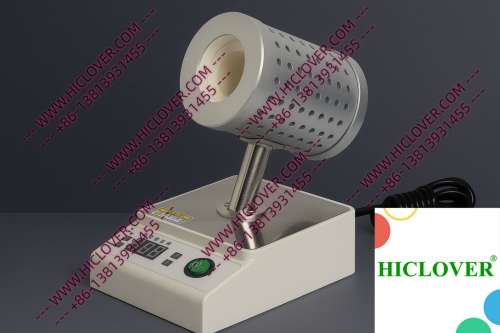
In BSL-2 and BSL-3 microbiology labs, maintaining sterility is non-negotiable. Micro Incinerators are routinely integrated into biosafety cabinets, where their compact design complements the sterile environment. The enclosed design prevents open flames, reducing the risk of accidents while offering superior sterilization efficacy. A laboratory technician can swiftly sterilize inoculating loops before culturing potentially harmful specimens, such as pathogenic bacteria, without exposing themselves or the samples to external contaminants.
2. Field Testing and Teaching Labs
Mobile and field testing labs benefit immensely from the portability and efficiency of infrared inoculating loop sterilizers. When researchers venture into remote locations to collect samples, ensuring that their tools are sterile becomes crucial. This sterilizer allows them to maintain high biosafety standards even outside traditional laboratory settings.
Additionally, in university teaching labs, where students are introduced to basic microbiological techniques, the Micro Incinerator provides a safe and reliable method for loop sterilization. Educators can effectively demonstrate various inoculation techniques, emphasizing the importance of contamination control in lab practices, all while ensuring students’ safety.
Compliance and Environmental Safety
Adhering to biosafety regulations set forth by organizations such as the World Health Organization (WHO) is essential in laboratory operations. The Micro Incinerator’s design aligns with global laboratory sterilization standards, significantly enhancing compliance in various settings. Unlike traditional flame sterilizers, using infrared heat minimizes the risk of fires, making it a clean-bench-safe solution suitable for any laboratory environment.
Moreover, laboratories that require stringent aerosol-free handling practices benefit from the Micro Incinerator’s flame-free operation. The absence of smoke or combustion by-products contributes to a cleaner environment, vital for maintaining sterile processes in sensitive labs, such as those involving CO₂ incubators and anaerobic chambers.
Advantages over Traditional Flame Sterilizers
Micro Incinerator vs. Traditional Flame Sterilizers
| Feature | Micro Incinerator | Traditional Flame Sterilizers |
|---|---|---|
| Heat Source | Infrared | Open Flame |
| Contamination Risk | Minimal | High |
| Response Time | Seconds | Minutes |
| Safety | High | Moderate |
| Environmental Impact | Low | Higher due to emissions |
Frequently Asked Questions
- What is the main advantage of using an infrared sterilizer over traditional flame sterilizers?
Infrared sterilizers offer rapid thermal sterilization without the associated risks of open flames, minimizing contamination and enhancing safety. - Can Micro Incinerators be used in field testing labs?
Yes, the portability and efficiency of Micro Incinerators make them ideal for field testing environments where sterility is critical. - How do infrared sterilizers align with WHO biosafety standards?
Infrared sterilizers are designed to operate without flames, reducing the risk of cross-contamination, and thus comply with strict biosafety guidelines. - What materials can be sterilized using a Micro Incinerator?
Various lab instruments, particularly inoculating loops and needles, can be effectively sterilized using a Micro Incinerator. - Is an infrared inoculating loop sterilizer suitable for university laboratories?
Absolutely, it provides a safe, reliable way to teach proper sterilization techniques while minimizing risk to students.
Conclusion
The Micro Incinerator / Infrared Inoculating Loop Sterilizer stands as a crucial asset in Brazil’s ongoing fight against infections, effectively addressing laboratory sterilization needs and enhancing safety protocols across various settings. Its advanced technology not only provides superior sterilization compliance but also simplifies workflows, making research and teaching more effective. For those looking to elevate their sterilization processes with cutting-edge equipment, contact us today to learn more about how the Micro Incinerator can revolutionize your laboratory sterilization methods.
Categories:
Tags: