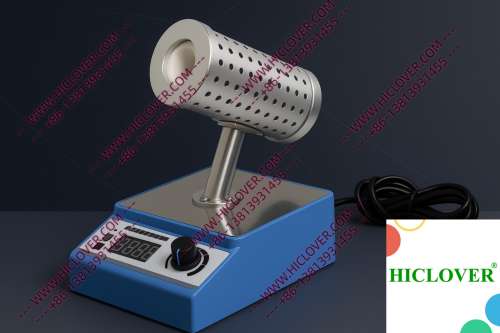
In the realm of laboratory environments, especially within Canada, the necessity for effective sterilization practices cannot be overstated. Laboratories face numerous biosafety challenges, from preventing microbial contamination to ensuring the integrity of research results. Given the critical importance of sterilization workflows, advanced methods such as Loop Sterilization Technology are making significant strides, particularly with the use of Micro Incinerator / Infrared Inoculating Loop Sterilizers. This technology is rapidly becoming the preferred choice over traditional flame sterilizers like Bunsen burners and alcohol lamps.
Challenges in Laboratory Biosafety
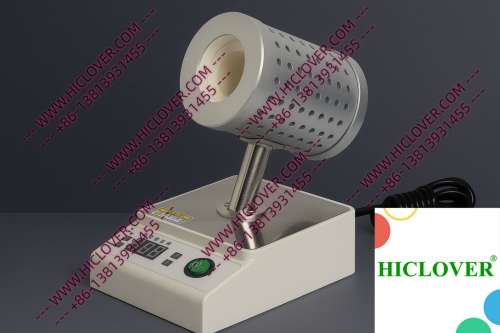
Laboratories, especially BSL-2 and BSL-3 facilities, require stringent contamination control measures. Traditional flame sterilizers, while effective, pose various risks such as fire hazards, aerosol generation, and extensive cleanup requirements. These challenges necessitate robust alternatives that not only enhance safety but also streamline sterilization protocols.
Understanding Infrared Inoculating Loop Sterilization
The Micro Incinerator employs infrared heat technology, utilizing an enclosed ceramic tube that generates high temperatures for rapid thermal sterilization. Unlike conventional methods, this device offers a flame-free option that minimizes the potential for contamination and enhances safety in clean environments. The infrared heating system ensures that inoculating loops reach the required temperatures swiftly, effectively eliminating pathogens while avoiding the risks associated with open flames.
Advantages of Micro Incinerators Over Traditional Flame Sterilization
- Rapid Thermal Sterilization: Achieves sterilization in a matter of seconds.
- Contamination Control: Reduces the risk of infectious aerosol generation.
- Easy Operation: Provides a straightforward, clean, and efficient sterilization process.
- Clean-Bench-Safe: Suitable for use within biosafety cabinets without compromising airflow.
Real-World Applications of Micro Incinerators
Micro Incinerators have made significant inroads in various laboratory settings across Canada. Here are two notable application scenarios:
1. Biosafety Cabinets
In laboratories that require high levels of contamination control, such as those working with pathogenic microbes, the Micro Incinerator can be positioned within biosafety cabinets. This configuration allows researchers to sterilize inoculating loops without exposing the sterile environment to aerosols or flames. Its design creates a clean and efficient workflow, ensuring researchers can maintain focus on their experiments rather than on sterilization processes.
2. Mobile Field Testing Labs
Field testing labs often operate under varying conditions where traditional flame sterilizers may pose safety hazards due to unstable environments. The portability and safety of infrared inoculating loop sterilizers make them ideal for field applications. Researchers can easily carry these devices for swift sterilization, ensuring that samples remain uncontaminated, regardless of their testing location.
Compliance with Biosafety Standards
Adhering to global biosafety and sterilization standards is critical for laboratories in Canada and beyond. The World Health Organization (WHO) emphasizes the importance of effective sterilization methods in reducing infection risks. Utilizing devices like the Micro Incinerator aligns with laboratory sterilization standards, ensuring compliance by eliminating the use of flames in clean rooms.
“Infection control is paramount in laboratory settings, making modern sterilization techniques essential for ensuring the safety of personnel and the reliability of results.”
Key Specifications and Features of Micro Incinerators
- Heating Principle: Uses ceramic heating to provide instantaneous sterilization.
- Temperature Range: Capable of achieving temperatures exceeding 800°C.
- Safety Features: Flame-free operation prevents accidental fires.
- Design: Compact and portable, ideal for various laboratory environments.
- Maintenance: Easy to clean, enhancing usability in busy laboratory settings.
Micro Incinerator vs. Flame Burners
| Feature | Micro Incinerator | Flame Burners |
|---|---|---|
| Heat Source | Infrared | Open Flame |
| Safety | Flame-Free | Fire Hazard |
| Contamination Risk | Minimal | High (Aerosol Generation) |
| Temperature Control | Precise | Variable |
| Suitable Environments | Biosafety Cabinets | General Labs |
FAQs About Micro Incinerators
What is the main advantage of using a Micro Incinerator?
The main advantage of a Micro Incinerator is its rapid and effective sterilization process without the risks associated with open flames.
Can a Micro Incinerator be used in BSL-2 labs?
Yes, Micro Incinerators are suitable for use in BSL-2 and even BSL-3 laboratories due to their contamination control capabilities and safety features.
How does the Micro Incinerator ensure compliance with laboratory standards?
The Micro Incinerator adheres to WHO biosafety standards by providing flame-free sterilization, thus minimizing hazards in clean environments.
Is the Micro Incinerator portable for field use?
Absolutely! Its compact design makes it ideal for field testing labs where sterilization is necessary yet must be conducted safely.
What maintenance is required for a Micro Incinerator?
The maintenance for a Micro Incinerator is minimal; regular cleaning of the ceramic tube is recommended to ensure optimal performance.
Conclusion
The advent of Loop Sterilization Technology, particularly through the use of Micro Incinerator / Infrared Inoculating Loop Sterilizers, represents a revolutionary step towards enhanced safety in laboratory practices across Canada. By offering rapid thermal sterilization solutions that prioritize safety and compliance, these devices are transforming sterilization protocols. If your laboratory environment mandates robust sterilization methods, consider the many advantages of adopting Micro Incinerators into your workflow. For more information or to place an order, feel free to reach out—optimize your laboratory’s sterilization practices today!
Categories:
Tags: