
In laboratory environments, maintaining a strict protocol for biosafety and contamination control is crucial. With the growing awareness of infection prevention and control, traditional methods of sterilization, such as alcohol lamps and Bunsen burners, are facing scrutiny. The limitations of these conventional methods—in terms of safety, effectiveness, and regulatory compliance—have prompted a shift towards innovative solutions, such as the Micro Incinerator / Infrared Inoculating Loop Sterilizer. This advanced sterilization equipment is proving to be a game changer, particularly in Canada, where laboratories are increasingly seeking compliant and efficient sterilization methods.
The Technical Principle Behind Infrared Inoculating Loop Sterilizers
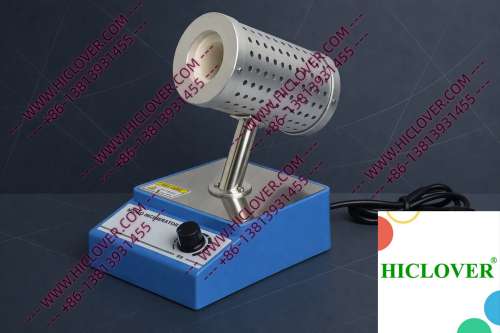
At the core of the Micro Incinerator’s innovation is its use of infrared heat, which allows for rapid thermal sterilization without the risks associated with open flames. The device features an enclosed ceramic tube that emits high-temperature infrared radiation, ensuring even heating and thorough disinfection of tools and surfaces. This design not only enhances safety but also minimizes the risk of aerosol generation, which can lead to contamination in sensitive environments.
Benefits Over Traditional Flame Sterilizers
When comparing the Micro Incinerator to traditional flame sterilizers, several advantages become apparent:
- Safety: Infrared sterilizers eliminate the risk of fire hazards associated with open flames.
- Efficiency: They reduce sterilization time, making sterilization quicker and more effective.
- Compliance: The use of no flame aligns with stringent laboratory standards and WHO biosafety guidelines.
- Environmentally Friendly: Less aerosol generation and fewer emissions contribute to a cleaner laboratory environment.
- WHO biosafety regulations
- Health Canada guidelines for laboratory standards
- ISO standards for laboratory equipment
“In Canada’s BSL-2 and BSL-3 laboratories, the adoption of modern sterilization methods like infrared inoculating loop sterilizers is not just beneficial; it’s essential for operational compliance and safety.”
Application Scenarios in Real Labs
With the Micro Incinerator making strides in laboratory settings, let’s explore a couple of specific scenarios where this technology excels:
1. Biosafety Cabinets
Within biosafety cabinets used in clinical diagnostics or microbiology research, maintaining sterile conditions is critical. The Micro Incinerator can be stationed inside these cabinets, allowing researchers to quickly sterilize inoculating loops without disturbing the sterile environment. Its clean-bench-safe design prevents the release of aerosols, ensuring that the sensitive tests and cultures are protected from contamination.
2. Teaching Labs
In university teaching labs, where students are learning sensitive techniques and procedures, the Micro Incinerator helps establish a safe learning environment. Instructors can demonstrate the principles of sterilization without the risks associated with flame burners, providing an opportunity for students to engage with modern sterilization technology. The infrared design allows for aerosol-free handling, promoting an efficient educational experience.
Compliance with Biosafety Standards
As laboratories in Canada and globally strive to meet stringent compliance and safety standards, the transition from flame sterilizers to infrared technologies is being acknowledged in guidelines from organizations such as the WHO. The challenges posed by open flames, particularly in clean rooms, necessitate the use of safer alternatives. Laboratories that implement infrared sterilizers can be assured of maintaining compliance with:
The superior operational safety of the Micro Incinerator supports laboratories in safeguarding against potential contamination and threats facing research integrity.
Frequently Asked Questions
1. What is the sterilization cycle time for a Micro Incinerator?
The Micro Incinerator can achieve sterilization in as little as 5-10 seconds, significantly faster than traditional methods.
2. How is a Micro Incinerator safer than flame sterilizers?
It operates using infrared technology, eliminating the risk of fire hazards and aerosol contamination, ensuring enhanced safety.
3. Can the Micro Incinerator be used in field testing labs?
Yes, its portable design makes it suitable for mobile or field testing laboratories, providing effective sterilization on the go.
4. What types of laboratory settings benefit most from using a Micro Incinerator?
BSL-2 and BSL-3 laboratories, clinical diagnostics, university teaching labs, and field testing labs can all benefit from its advanced sterilization capabilities.
5. How does the Micro Incinerator support environmental sustainability in labs?
By minimizing aerosol generation and reducing reliance on open flames, the Micro Incinerator contributes to a cleaner and safer laboratory environment.
Conclusion: Transforming Laboratory Sterilization in Canada
As laboratories across Canada embrace modern solutions for sterilization, the Micro Incinerator / Infrared Inoculating Loop Sterilizer stands out as a leading choice. By prioritizing safety, efficiency, and compliance, this innovative equipment meets the urgent needs of laboratories striving for optimal infection control and biosafety. For any laboratory looking to enhance their sterilization practices or to invest in cutting-edge technology, now is the time to contact us for more information or to make a purchase. Make the switch to safer, cleaner, and faster sterilization today!
Categories:
Tags: