
Laboratories in India are at the frontline of combating infections, particularly in the context of rising antimicrobial resistance. The challenges of ensuring biosafety in clinical diagnostics, research, and environmental testing have heightened the need for advanced sterilization solutions. With increasing demands for rapid thermal sterilization and contamination control, loop sterilizers, particularly the Micro Incinerator and Infrared Inoculating Loop Sterilizer, are proving to be invaluable in modern laboratories.
Meeting Modern Laboratory Sterilization Demands
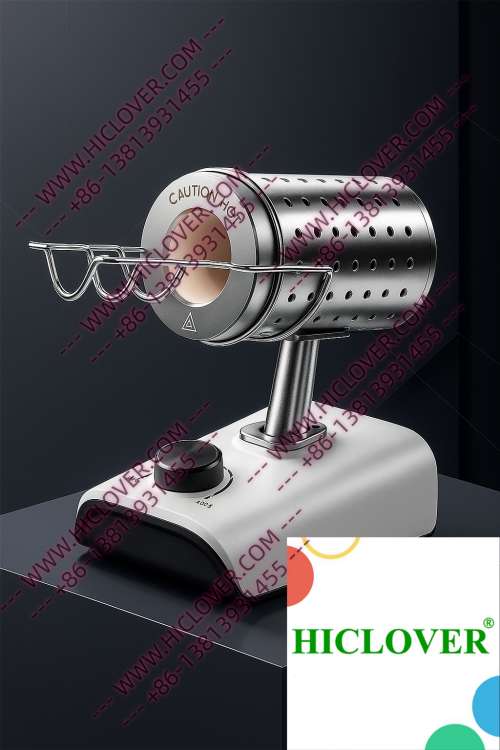
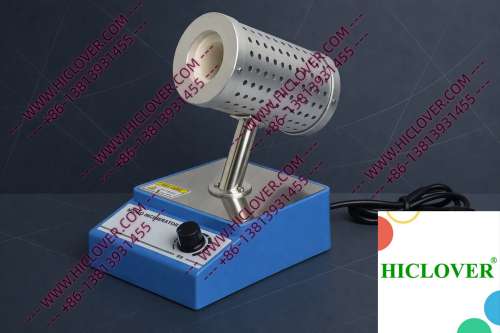
Traditionally, many laboratories relied on the conventional flame sterilizers, such as alcohol lamps and Bunsen burners, which, despite their prevalence, pose a series of disadvantages. For instance, the generation of open flames can introduce aerosols, while the sterilization process is often slower and less controlled. In contrast, advanced products like the Micro Incinerator offer enclosed ceramic heating chambers that reach high temperatures quickly, facilitating immediate sterilization of inoculating loops and preventing cross-contamination.
Technical Principles of Loop Sterilizers
The technical principle behind loop sterilizers revolves around infrared heat generation. Within the ceramic heating chamber, the infrared technology provides precise control over the temperature, allowing quick disinfection without the risk of flame-related accidents or contamination issues. The combination of rapid heating and effective cooling ensures that the sterilization cycle is not only efficient but safe as well.
Application Scenarios
- Biosafety Cabinets: In BSL-2 and BSL-3 labs, where handling pathogenic microorganisms is routine, the absence of open flames in clean spaces is crucial. Loop sterilizers integrated within biosafety cabinets ensure that all tools are sterilized efficiently, minimizing risks of infection.
- Teaching Labs: University teaching labs can greatly benefit from the safety and simplicity offered by infrared loop sterilizers. Here, students can practice techniques without the hazards associated with flame sterilizers, enhancing the learning experience while instilling important biosafety practices.
Compliance with Biosafety Standards
In light of WHO recommendations and national lab sterilization standards, the adoption of infrared loop sterilizers aligns with best practices for biosafety. For instance, the need to eliminate flame usage in clean rooms is underscored not only by operational safety but also by the prevention of aerosol generation during sterilization procedures. Regulatory bodies emphasize environments where contamination risks must be minimized, making equipment like the Micro Incinerator essential in complying with these stringent requirements.
Environmental Safety and Regulatory Compliance
The shift from flame-based sterilization to infrared technology reflects an overall trend towards improved laboratory safety. Laboratory users in India benefit significantly as this transition aids in reducing fire hazards and generating a safer work environment.
Advantages Over Traditional Flame Sterilizers
When comparing the Micro Incinerator with traditional flame sterilizers, several key advantages arise:
| Feature | Micro Incinerator | Flame Burner |
|---|---|---|
| Safety | Closed ceramic design, no open flames | Open flames, fire hazard |
| Speed of Sterilization | Rapid thermal disinfection | Longer heating time |
| Contamination Control | No aerosol generation | Aerosol risks highly probable |
| Portability | Lightweight, suitable for field testing | Typically bulkier and less mobile |
FAQs
What is a Micro Incinerator?
A Micro Incinerator is a laboratory sterilization device that utilizes infrared heat to rapidly disinfect inoculating loops and other small tools, ensuring effective and safe sterilization processes.
How does the Infrared Inoculating Loop Sterilizer work?
This sterilizer employs infrared heating, where the enclosed ceramic chamber reaches high temperatures instantaneously, allowing for swift sterilization without flame-related risks.
Why is contamination control critical in laboratories?
Contamination can lead to erroneous results, cross-contamination of samples, and compromised experiments. Adopting sterilization solutions like loop sterilizers minimizes these risks significantly.
Are loop sterilizers compliant with WHO standards?
Yes, loop sterilizers meet WHO biosafety standards, which advocate for the reduction of open flames in laboratory environments to minimize risks during sterilization.
Can Micro Incinerators be used in field testing environments?
Absolutely! Their compact size and lightweight design make Micro Incinerators ideal for mobile or field testing labs, providing reliable sterilization on-the-go.
Conclusion
In the evolving arena of laboratory sterilization in India, the Micro Incinerator and Infrared Inoculating Loop Sterilizer stand out as transformative solutions. Their ability to provide rapid, safe, and effective sterilization redefines how labs manage infection control practices. If you are looking to enhance the safety and efficiency of your laboratory operations, consider integrating these advanced sterilizers into your workflow. For inquiries, demonstrations, or purchasing information, feel free to contact us today!
Categories:
Tags: