
In the evolving landscape of laboratory biosafety, the containment of infectious agents is of paramount importance. Laboratories in Nepal face significant challenges, including maintaining stringent sterilization protocols and managing workflow efficiencies. The need for reliable sterilization techniques has led to the adoption of advanced devices such as the Micro Incinerator or Infrared Inoculating Loop Sterilizer, which is revolutionizing infection control practices.
Addressing Laboratory Sterilization Demands
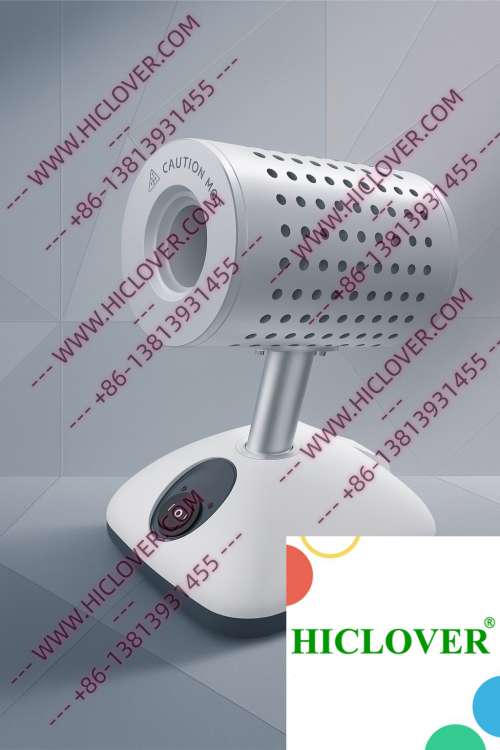
In traditional settings, laboratory sterilization often depended on flame-based methods like alcohol lamps and Bunsen burners. However, these methods pose inherent risks, including contamination through aerosols and inconsistent heat application. The Micro Incinerator utilizes infrared technology to deliver rapid thermal sterilization, ensuring high-temperature disinfection within a clean environment.
Technical Principles Behind Infrared Sterilization
The Micro Incinerator features a unique design that integrates an enclosed ceramic heating chamber. This configuration allows for uniform heating while eliminating the risk of an open flame. The infrared radiation achieves targeted temperatures of up to 1000°C, enabling effective destruction of microorganisms in seconds, an essential requirement for BSL-2 and BSL-3 facilities. With a compact footprint, it is ideally suited for both bench-top applications and larger laboratory setups.
Key Features of Micro Incinerators
- Rapid Thermal Sterilization: Achieves sterilization in under 10 seconds.
- Contamination Control: Fully enclosed system prevents aerosol generation.
- Energy Efficient: Consumes less energy compared to traditional flame methods.
- User-Friendly: Simple operation with minimal training required.
Real-World Applications in Laboratories
The versatility of the Micro Incinerator is evident in various laboratory environments. Here are two notable scenarios:
1. Biosafety Cabinet Integration
In many microbiology labs equipped with biosafety cabinets, the Micro Incinerator serves as an essential tool for sterilizing inoculating loops and other tools before and after specimen handling. Its flame-free operation ensures that the integrity of the clean environment within the cabinet is maintained, thereby reducing the risk of contamination and ensuring compliance with WHO biosafety standards.
2. Field Testing and Research
Field testing in remote areas presents unique sterilization challenges. The portable design of infrared inoculating loop sterilizers enables researchers to conduct microbial tests in the field effectively. With the risk of pathogen transmission minimized through rapid infrared sterilization, health workers can operate confidently in challenging conditions, such as during outbreaks or in rural communities.
Regulatory Compliance and Environmental Considerations
The increasing importance of biosafety in laboratory settings is underscored by guidelines from health organizations like the World Health Organization (WHO). Compliance with global sterilization standards is critical, particularly when working in facilities where biological agents are handled. The Micro Incinerator enhances compliance through a flame-free disinfection process, making it ideal for clean rooms where open flames are not permitted.
In contrast to traditional sterilization methods, which can contribute to air pollution and hazardous wastes, infrared sterilization offers an environmentally-friendly alternative. Its reduced energy consumption and lack of chemical residues contribute to a more sustainable laboratory practice.
Comparison: Micro Incinerator vs. Traditional Flame Burners
| Features | Micro Incinerator | Flame Burners |
|---|---|---|
| Heat Source | Infrared | Open Flame |
| Speed of Sterilization | 10 seconds | Variable |
| Safety | No open flames | Fire hazards |
| Aerosol Production | None | Possible |
| Energy Efficiency | High | Low |
Frequently Asked Questions
- What is a Micro Incinerator?
It is an advanced sterilization tool that uses infrared technology to provide rapid thermal sterilization without an open flame. - How does the Micro Incinerator ensure compliance with biosafety standards?
Its closed design minimizes aerosol production, making it suitable for BSL-2 and BSL-3 laboratories adhering to WHO regulations. - Can the Micro Incinerator be used in field testing?
Yes, its compact and portable design allows for effective sterilization in remote and field environments. - How does the Micro Incinerator compare to traditional flame burners?
The Micro Incinerator offers faster sterilization, eliminates fire hazards, and reduces environmental impact. - What are the maintenance requirements for a Micro Incinerator?
Minimal maintenance is required; regular cleaning of the ceramic chamber is recommended.
Conclusion: Embracing Modern Infection Control Solutions
In conclusion, the integration of Micro Incinerators into laboratory workflows represents a significant advancement in sterilization technology, particularly for institutions in Nepal aiming to enhance their biosafety protocols. By shifting away from traditional flame-based methods, laboratories can benefit from rapid, safe, and environmentally friendly sterilization solutions. For distributors, hospitals, and research institutions looking to improve their infection control measures, considering the Micro Incinerator is a step forward. Contact us today to learn more about how you can upgrade your laboratory sterilization equipment.
Categories:
Tags: