
In the fast-evolving landscape of healthcare in Rwanda, hospitals, laboratories, and research facilities face numerous biosafety challenges that can impede effective infection control and sterilization processes. The high stakes of contamination control necessitate reliable laboratory sterilization equipment that can efficiently handle the demands of daily operations. Enter the Micro Incinerator, also known as the Infrared Inoculating Loop Sterilizer, a modern solution that addresses these challenges and revolutionizes how sterilization is conducted.
Technical Principles and Design Features
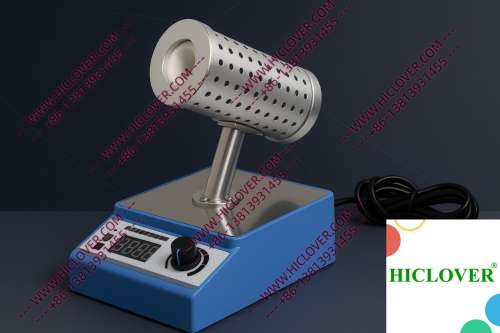
The Micro Incinerator employs a rapid thermal sterilization process using an enclosed ceramic heating chamber. This design incorporates infrared heat technology that allows for high-temperature disinfection without the need for flames, significantly increasing safety in sterile environments. By harnessing infrared radiation, this sterilizer delivers a consistent and reliable source of high heat, ensuring that inoculating loops and other tools achieve the required sterilization temperatures quickly.
This advanced equipment typically features:
- Compact Design: Perfect for various laboratory settings, including teaching and research labs.
- Clean-Air Operation: No open flames means reduced risk of fire and contamination.
- Rapid Heating: Achieves sterilization in seconds, enhancing workflow efficiency.
- Environmentally Friendly: Operates without producing harmful emissions associated with traditional flame sterilizers.
- Aerosol Prevention: The enclosed design diminishes aerosol contamination risks.
- Flame-Free Operation: No flames promote safe working practices in sterile environments.
- Efficiency Standards: Rapid sterilization meets stringent laboratory protocols.
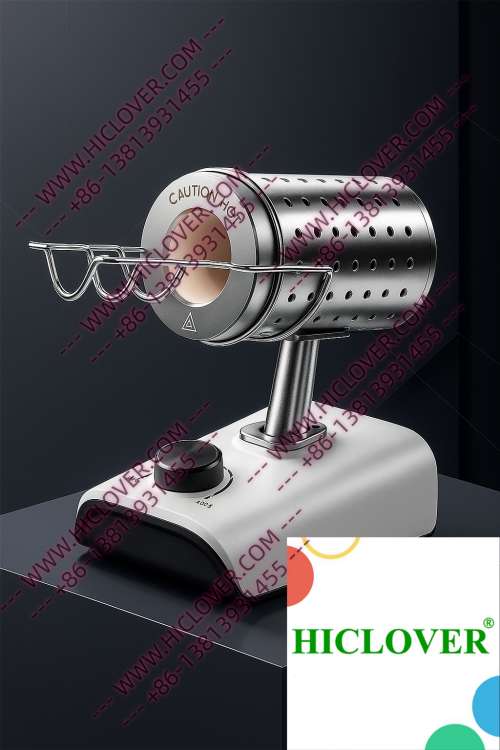
Applications in Real Labs
The application scenarios for the Micro Incinerator span across diverse laboratory environments in Rwanda, including but not limited to:
1. Teaching Laboratories
Universities and training institutions incorporating microbiology into their curriculum benefit immensely from using Micro Incinerators in teaching labs. Students learn proper aseptic techniques without the risks posed by flames, such as inhalation of aerosols or accidental burns. This enables a safer learning environment where practical skills can be developed under close supervision.
2. Biosafety Cabinet Environments
In BSL-2 and BSL-3 microbiology laboratories, where handling pathogenic microorganisms is common, the Micro Incinerator guarantees aerosol-free handling of sterilized tools. Placed next to biosafety cabinets, it allows researchers to ensure their inoculating loops are fully sterilized before application, thus maintaining the integrity of experiments and protecting both personnel and the environment.
Compliance and Environmental Standards
As healthcare facilities in Rwanda aim to adhere to both national and international biosafety standards, the utilization of Micro Incinerators aligns seamlessly with WHO biosafety guidelines. The absence of open flames not only makes them suitable for clean rooms but also reduces the risk of fire hazards that can arise from traditional alcohol lamps and Bunsen burners.
Some key compliance factors include:
Micro Incinerator vs. Traditional Flame Sterilizers
| Feature | Micro Incinerator | Flame Sterilizers |
|---|---|---|
| Heating Method | Infrared | Open flame |
| Safety | Safe, no risk of burns or fire | Flammable, potential hazard |
| Efficiency | Rapid sterilization in seconds | Slower, requires monitoring |
| Clean Air Operation | Yes | No |
FAQs About Micro Incinerators
What is the principle of operation for a Micro Incinerator?
The Micro Incinerator operates using infrared heating, which allows it to rapidly achieve high temperatures necessary for effective sterilization of laboratory tools.
How does using a Micro Incinerator enhance laboratory safety?
By eliminating the need for open flames, the Micro Incinerator significantly reduces risks associated with burns and fire hazards, making it a safer choice for laboratory environments.
In what laboratory scenarios can the Micro Incinerator be utilized?
The Micro Incinerator is suitable for various applications, including university teaching labs, biosafety cabinets in research facilities, and mobile field testing labs.
Are there any environmental benefits of using Micro Incinerators compared to traditional sterilizers?
Yes, Micro Incinerators are more environmentally friendly due to their clean-air operation, which avoids harmful emissions typically associated with flame sterilizers.
What compliance standards do Micro Incinerators meet?
Micro Incinerators are designed to meet WHO biosafety guidelines and local laboratory sterilization standards, promoting safe and effective sterilization practices.
Conclusion: Embrace Next-Level Sterilization
As Rwanda’s healthcare system strives for improved biosafety and efficiency within laboratories, the Micro Incinerator emerges as a game-changing technology that promises to enhance infection control measures. With its innovative design, rapid sterilization capability, and compliance with safety standards, this sterilization equipment represents a significant advancement over traditional flame sterilizers.
For hospitals, universities, research centers, and distributors looking to elevate their laboratory sterilization processes, investing in Micro Incinerators is not just beneficial; it’s essential. Contact us today to learn more about how to integrate this innovative tool into your sterilization workflow and witness the transformation in your infection control efforts.
Categories:
Tags: