
In today’s healthcare landscape, hospital-acquired infections (HAIs) pose a significant challenge for medical facilities in Bahrain and around the world. With the ever-increasing complexity of laboratory workflows, controlling contamination has become paramount. Enter the Micro Incinerator/Infrared Inoculating Loop Sterilizer—the cutting-edge solution that combines rapid thermal sterilization and safety, effectively reducing the risk of HAIs while enhancing laboratory efficiency and compliance.
The Need for Reliable Laboratory Sterilization Equipment
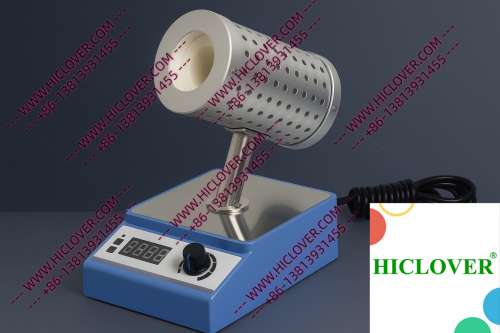
Laboratories, whether in hospitals, universities, or research centers, must adhere to strict sterilization protocols to minimize contamination risks. Traditional methods often rely on flame sterilizers, such as alcohol lamps or Bunsen burners, which can pose dangers in clean environments. Laboratory staff must address biosafety challenges, ensuring that instruments and materials are free from pathogenic microorganisms.
Technical Principles of the Micro Incinerator
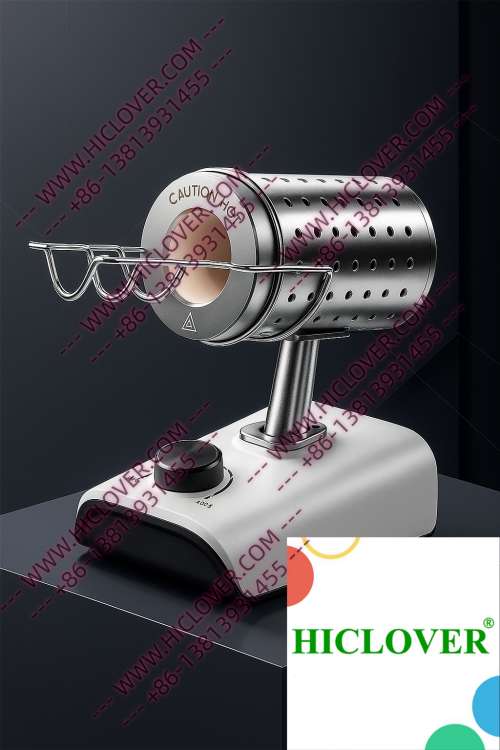
The Micro Incinerator utilizes infrared heat technology, enabling sterilization without the flames associated with traditional burners. Wrapped within a durable and insulated enclosed ceramic tube, the device applies high temperatures that effectively eliminate bacteria and viruses while minimizing the risk of aerosol contamination. Its compact design and lightweight configuration make it an optimal choice for both stationary laboratory settings and mobile operations.
Application Scenarios in Real Labs
1. Biosafety Cabinets
Class II biosafety cabinets provide a controlled environment for working with hazardous biological materials. The Micro Incinerator is ideal for use within these cabinets, allowing researchers to sterilize inoculating loops and other tools quickly, without introducing open flames. This minimizes the risk of exposing operators to potential hazards while maintaining the integrity of the sterile environment.
2. Teaching Labs
In university teaching laboratories, educators can leverage the Micro Incinerator to instill proper sterilization techniques in students. The no-flame design eliminates the risk of burns or fire hazards, promoting a safe learning environment. Students can confidently practice aseptic techniques, ensuring they acquire skills that are essential for their future careers in science and healthcare.
Compliance with Biosafety Standards
Compliance with biosafety regulations is critical in laboratory settings. The World Health Organization (WHO) supports stringent guidelines for biosafety measures. Among these are protocols that discourage the use of open flames in clean rooms and sterile environments. The Micro Incinerator meets these standards while providing a rapid and effective means of sterilization.
Furthermore, adopting contemporary sterilization solutions like the Micro Incinerator can dramatically enhance compliance with laboratory sterilization standards, ensuring that facilities remain on the cutting edge of infection prevention and control.
Advantages Over Traditional Flame Sterilizers
- Rapid Thermal Sterilization: Achieves sterilization faster than flame methods.
- Contamination Control: Enclosed design prevents the release of aerosols.
- Safer Operation: Minimal risk of burns or fire hazards in clean areas.
- Versatile Use: Equipment can be utilized in various laboratory settings, from BSL-2 and BSL-3 labs to field testing environments.
- Efficient Design: The compact format enhances portability and space efficiency.
Micro Incinerator vs. Flame Burners
| Feature | Micro Incinerator | Flame Burners |
|---|---|---|
| Temperature Control | Precise infrared heating | Dependent on flame size |
| Sterilization Speed | Rapid | Slower |
| Safety | No open flames, minimal risk | Risk of burns and fire hazards |
| Aerosol Production | None | Potential aerosol dispersal |
| Portability | Highly portable | Less portable |
FAQs About Micro Incinerators
What is a Micro Incinerator used for?
The Micro Incinerator is used primarily for sterilizing inoculating loops and other small laboratory instruments to ensure contamination-free experimentation.
How does a Micro Incinerator work?
This device employs infrared heat to rapidly elevate temperatures within a ceramic tube, providing high-temperature disinfection without the danger of open flames.
Are Micro Incinerators compliant with laboratory standards?
Yes, they adhere to WHO biosafety guidelines and other relevant laboratory sterilization standards, making them suitable for use in various environments, including BSL-2 and BSL-3 labs.
Can I use a Micro Incinerator in a biosafety cabinet?
Absolutely. The Micro Incinerator is designed for use in biosafety cabinets, allowing safe and efficient sterilization without compromising the sterile environment.
What safety features are included with Micro Incinerators?
This sterilizer is built with an enclosed design, insulating materials, and precise temperature control, minimizing the risks associated with traditional flame-based sterilizers.
Conclusion
As Bahrain continues its commitment to eradicating hospital-acquired infections, integrating advanced sterilization equipment like the Micro Incinerator into laboratory workflows is crucial. This infrared inoculating loop sterilizer not only enhances biosafety and compliance but also boosts overall laboratory efficiency. For those seeking to upgrade their sterilization practices, now is the time to invest in reliable technology that prioritizes safety and performance.
Contact us today to learn more about the advantages of the Micro Incinerator or to request a quote for your institution, ensuring that you stay at the forefront of infection control in laboratory environments.
Categories:
Tags: