
In the ever-evolving landscape of healthcare, particularly in Nairobi, the need for robust infection control mechanisms has never been more critical. Laboratory professionals face numerous biosafety challenges, including the ability to efficiently sterilize tools while preventing contamination. Traditional flame sterilizers like alcohol lamps and Bunsen burners have been the go-to for many years. However, they pose risks ranging from fire hazards to the introduction of aerosols. This is where the new standard in laboratory sterilization equipment, the Micro Incinerator or Infrared Inoculating Loop Sterilizer, significantly enhances infection control practices.
Understanding the Technology: Infrared Heating Principles
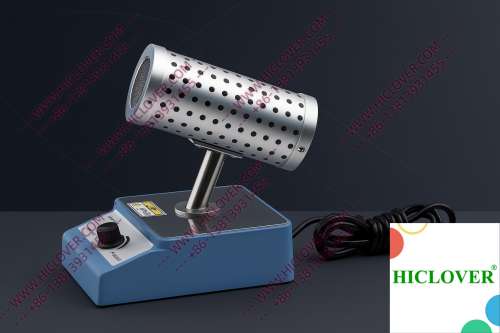
The Micro Incinerator operates on a unique mechanism using infrared heat, encapsulated within a ceramic tube. This technology not only provides rapid thermal sterilization but also minimizes aerosol generation—a fundamental requirement in maintaining a clean laboratory environment. The enclosed ceramic heating chamber reaches high temperatures, allowing for immediate disinfection of inoculating loops and other small instruments without the risks associated with open flames.
Applications in Real Laboratory Settings
Micro Incinerators are versatile tools, ideal for various laboratory environments in Nairobi, including:
- Biosafety Cabinets: In BSL-2 and BSL-3 laboratories, using a Micro Incinerator ensures that no flames disrupt the airflow, maintaining a sterile environment for sensitive biological samples.
- Teaching Labs: In educational institutions, such as universities, these sterilizers provide a safe and efficient way for students to learn about microbiological techniques without the dangers posed by traditional flame systems.
- Field Testing Labs: When conducting mobile tests in the Nairobi area, researchers benefit from the portability and reliability of the Micro Incinerator, ensuring that sample integrity is upheld even in the most challenging conditions.
Compliance with International Biosafety Standards
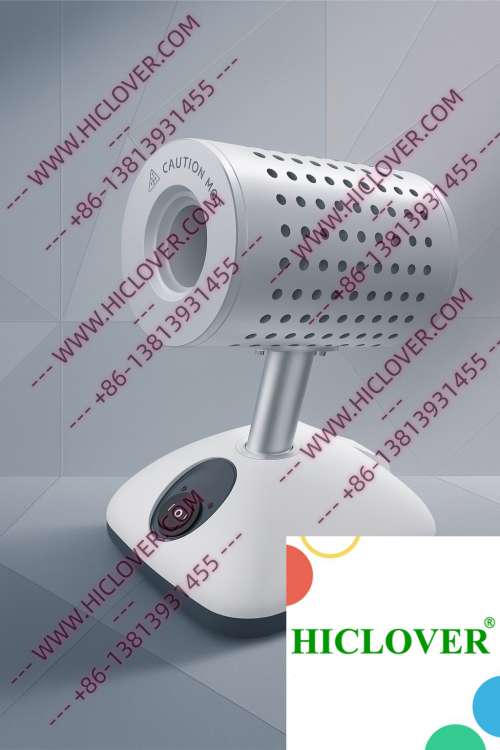
As Nairobi’s healthcare facilities strive to align with World Health Organization (WHO) guidelines, compliance with lab sterilization standards is paramount. In particular, many laboratories are turning away from flame-based sterilization methods due to their risk in cleanroom environments. For example, the Micro Incinerator meets stringent biosafety and sterilization requirements, making it an excellent choice for organizations prioritizing safety and environmental cleanliness.
The use of infrared technology also adheres to recommendations for safer laboratory practices, reducing risks associated with aerosol generation in microbiological work. This compliance not only enhances safety but also contributes to a facility’s overall accreditation efforts.
Micro Incinerator vs. Traditional Flame Sterilizers: A Clear Choice
| Feature | Micro Incinerator | Traditional Flame Sterilizers |
|---|---|---|
| Heat Source | Infrared | Open Flame |
| Contamination Risk | Low | High (Aerosol Generation) |
| User Safety | Higher (No open flames) | Lower (Fire hazards) |
| Portability | High | Variable |
| Heating Time | Seconds | Variable (Waiting for a flame) |
Frequently Asked Questions
1. How does the Micro Incinerator improve sterilization efficiency?
The Micro Incinerator provides rapid thermal sterilization in seconds, eliminating the need for waiting time associated with traditional flame methods. Its infrared technology ensures that sterilization is uniform and effective across the instrument’s surface.
2. Is the Micro Incinerator safe for use in BSL-2 and BSL-3 labs?
Yes, the Micro Incinerator is designed to be used safely in high-biosafety laboratories. Its enclosed design prevents contamination and disruptions to sterile conditions, making it a preferred choice in these environments.
3. Can the Micro Incinerator be used for field testing applications?
Absolutely! Its lightweight design and portability make it ideal for field testing labs, where sterilization needs to occur on-site without compromising safety and efficacy.
4. What are the maintenance requirements for the Micro Incinerator?
Maintenance is minimal as the device’s robust design reduces wear and tear. Regular cleaning of the ceramic heating chamber will ensure efficient operation and longevity.
5. How can I purchase a Micro Incinerator for my facility?
You can contact our sales representatives who can provide you with tailored solutions and guide you through the purchasing process to meet your lab’s sterilization needs.
Conclusion: Upgrade Your Infection Control Standards Today
The adoption of Loop Sterilizers like the Micro Incinerator marks a significant advancement in infection control for healthcare providers in Nairobi. With its superior safety features, compliance with biosafety standards, and versatility across various laboratory settings, it is clear that this technology will define the future of laboratory sterilization equipment. We invite laboratories, hospitals, and educational institutions in Nairobi to consider upgrading their sterilization methods by contacting us for more information or to place your order!
Categories:
Tags: