
In the pursuit of scientific advancement, laboratory biosafety challenges cannot be overlooked. The proliferation of microbial contamination can severely hinder research accuracy and integrity. For professionals in the life sciences, ensuring a sterile environment is paramount. Consequently, one vital component of any laboratory sterilization equipment arsenal is the Micro Incinerator, specifically the Infrared Inoculating Loop Sterilizer. This innovative tool has revolutionized how researchers handle inoculating loops and other instruments in various laboratory settings.
Understanding the Technical Principles
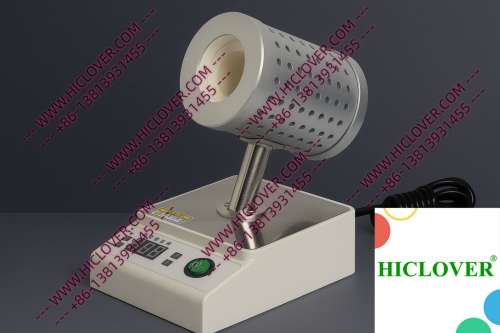
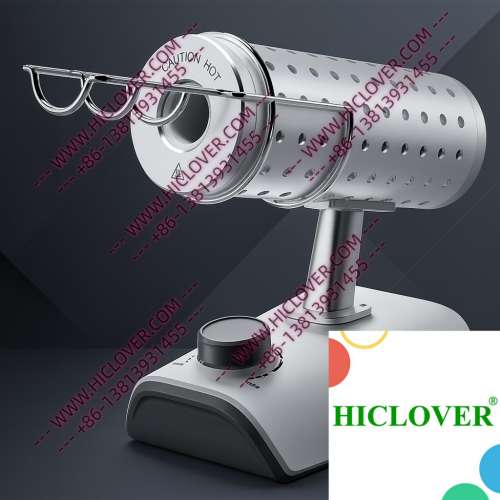
The effectiveness of the Micro Incinerator lies in its cutting-edge design. Utilizing infrared heat, this device generates high-temperature disinfection within an enclosed ceramic tube. This specialized heating chamber reaches temperatures sufficient to instantly sterilize inoculating loops, thereby eliminating the risk of cross-contamination. Unlike traditional methods, which often employ flame (such as Bunsen burners or alcohol lamps), the infrared sterilizer allows for sterilization without the risks associated with open flames, making it especially suitable for clean bench environments.
Comparing Micro Incinerators and Traditional Flame Sterilizers
| Feature | Micro Incinerator | Flame Burners |
|---|---|---|
| Heating Method | Infrared heat | Open flame |
| Safety | Droplet-free aerosol handling | Risks of fire and burns |
| Efficiency | Rapid thermal sterilization | Variable heating times |
| Cleanroom Compatibility | Yes | No |
| Portability | Highly portable | Heavy and cumbersome |
Application Scenarios in Real Labs
1. Teaching Laboratories
In university teaching labs, students often grapple with the principles of microbiology. The Micro Incinerator offers an educational yet highly efficient way to demonstrate effective contamination control without the hazards of an open flame. Instructors can confidently guide students through aseptic techniques, using the infrared sterilizer to ensure that all instruments are properly sterilized before use, solidifying their understanding of laboratory safety protocols.
2. Biosafety Cabinets in BSL-2 Labs
In more advanced settings, such as BSL-2 microbiology labs, where virulent microorganisms are handled, the Micro Incinerator further establishes a secure environment. Encased within a biosafety cabinet, researchers can rely on the sterilizer to maintain constant contamination control while simultaneously enforcing compliance with stringent laboratory sterilization standards. The instrument ensures both operator safety and specimen integrity, thus playing a pivotal role in sensitive clinical diagnostics.
Compliance and Environmental Considerations
Adhering to the WHO biosafety standards is essential for any laboratory working with biological agents. The Micro Incinerator aligns with these protocols, allowing for a safer sterilization process that minimizes the risks associated with open flames. With the sterile environment created by this technology, laboratories can effectively operate within the confines of clean spaces, such as CO₂ incubators or anaerobic chambers, safeguarding experimental results from contaminants.
Moreover, regulations mandate that laboratories employ sterilization methods that do not compromise air quality—an area where traditional flame devices fall short. The compact and efficient design of the Micro Incinerator creates an effective, flame-free solution, making it indispensable for modern labs.
Frequently Asked Questions (FAQs)
- What are the primary benefits of using a Micro Incinerator over traditional flame sterilizers?
Micro Incinerators offer rapid thermal sterilization without aerosol production or fire hazards. - Can Micro Incinerators be used in BSL-3 laboratories?
Yes, they are safe and effective for BSL-3 labs, maintaining compliance with required biosafety standards. - How do I maintain a Micro Incinerator?
Regular checks on the ceramic heating chamber and cleaning protocols should be followed to maintain optimal performance. - Is training required to use a Micro Incinerator?
While it is relatively user-friendly, proper training is recommended to ensure adherence to safety and operational standards. - What are the typical applications for a Micro Incinerator?
They are commonly used in teaching labs, clinical diagnostics, and field testing scenarios.
Conclusion
In conclusion, as laboratories increasingly prioritize biosafety and contamination control, the Micro Incinerator emerges as an essential tool in laboratory sterilization equipment. Its innovative design and adherence to biosafety protocols offer undeniable advantages over traditional flame sterilizers. As you explore options for enhancing laboratory safety and efficiency, consider integrating a Micro Incinerator into your processes. For more information or to make a purchase, feel free to reach out to our sales team!