
As Rwanda continues to develop its healthcare infrastructure, laboratory biosafety challenges grow increasingly pressing. Effective sterilization practices are essential for infection control and contamination management in laboratories. Among these, the Micro Incinerator or Infrared Inoculating Loop Sterilizer emerges as a crucial tool, offering innovative solutions to achieve compliance and bolster workflow efficiency.
The Principles Behind Infrared Inoculating Loop Sterilizers
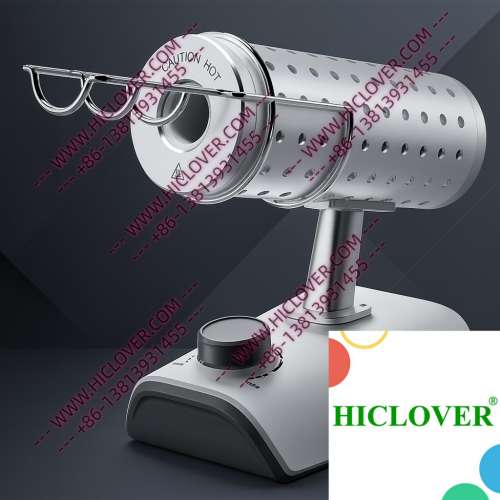
The Micro Incinerator leverages the principles of rapid thermal sterilization. Unlike traditional flame-based methods such as alcohol lamps or Bunsen burners, the infrared sterilizer employs an enclosed ceramic heating chamber that reaches high temperatures efficiently and safely. This design minimizes aerosol production and greatly reduces the risk of fire hazards, making it suitable for use in clean rooms and biosafety cabinets.
With an infrared heating element, the sterilizer offers even and controlled heat distribution. Its unique configuration ensures quick response times, allowing laboratory personnel to achieve optimal sterilization of inoculating loops and other small instruments in just seconds. The absence of open flames significantly enhances safety, particularly in sensitive environments such as BSL-2 and BSL-3 microbiology labs, where contamination control is paramount.
Applications in Real Laboratory Settings
1. University Teaching Labs
In university settings, the Micro Incinerator is ideal for teaching labs where students learn microbiological techniques. Its user-friendly interface allows novice users to sterilize inoculating loops rapidly, thus minimizing their exposure to pathogens and enhancing the educational experience. Instructors can confidently oversee sterile techniques without the risks associated with flame sterilizers.
2. Mobile Field Testing Labs
During mobile field tests, such as in rural health initiatives, the portability and ease-of-use of the Micro Incinerator prove invaluable. Researchers can quickly disinfect instruments in situ, ensuring that sample integrity is maintained and preventing cross-contamination. This capability is essential when dealing with infectious agents or when providing medical assessments in isolated communities.
Compliance and Environment Considerations
Adhering to WHO biosafety standards and local lab sterilization regulations is crucial for laboratory operations in Rwanda. By utilizing the Micro Incinerator, facilities can ensure a flame-free environment that reduces the risk of contamination and complies with guidelines for biosafety cabinets and clean areas.
“Using a Micro Incinerator not only meets compliance standards but also supports a culture of safety within our laboratories.” – A laboratory manager in Kigali.
Moreover, the incorporation of infrared sterilizers helps mitigate the environmental impact by reducing the carbon footprint associated with fuel combustion from traditional flame-based sterilizers. This is a vital consideration for institutions advocating for sustainable practices in healthcare.
Advantages Over Traditional Flame Sterilizers
The advantages of employing Micro Incinerators over traditional flame sterilizers are manifold:
- Safety: Elimination of open flames significantly lowers fire risks.
- Efficiency: Rapid heating and cooling times enhance workflow.
- Environmental Impact: Less energy consumption compared to fuel-burning methods.
- Contamination Control: Reduced aerosol generation minimizes the risk of airborne pathogens.
- Versatility: Suitable for various laboratory settings, including clinical diagnostics and research labs.
Comparison: Micro Incinerator vs. Flame Burners
| Feature | Micro Incinerator | Flame Burners |
|---|---|---|
| Heat Source | Infrared | Open Flame |
| Response Time | Seconds | Multiple Minutes |
| Safety Level | High | Moderate |
| Contamination Risk | Low | High |
| Environmental Impact | Low | High |
FAQs About Micro Incinerators
What are the primary uses of a Micro Incinerator in laboratories?
The Micro Incinerator is primarily used for sterilizing inoculating loops, needles, and other small instruments, ensuring they are free of contaminants before use in experiments.
How does infrared sterilization differ from flame sterilization?
Infrared sterilization uses directed heat without an open flame, reducing the risk of burns and contamination, while flame sterilization can produce aerosols and is less safe in controlled environments.
Are Micro Incinerators compliant with WHO lab safety standards?
Yes, Micro Incinerators meet WHO biosafety standards, making them suitable for use in BSL-2 and BSL-3 labs.
Can a Micro Incinerator be used in field testing scenarios?
Absolutely! The portability and efficiency of Micro Incinerators make them an excellent choice for field testing in rural or isolated locations.
How long does it take to sterilize an inoculating loop?
Typically, an inoculating loop can be sterilized in just seconds with a Micro Incinerator, ensuring rapid turnaround times.
Conclusion
As Rwanda strives to enhance its healthcare systems and laboratory capabilities, investing in cutting-edge sterilization equipment like the Micro Incinerator becomes paramount. This innovative solution not only addresses the immediate challenges of laboratory safety and compliance but also offers a sustainable and efficient approach to sterilization. For laboratories keen to improve their workflows and safety standards, consider contacting us for more information on acquiring the Micro Incinerator.
Categories:
Tags: