
In modern laboratories, the need for effective sterilization methods is paramount. Particularly in Sweden, where innovative research and healthcare practices are at the forefront, biosafety challenges persist. As laboratories manage sensitive specimens in environments like BSL-2 and BSL-3 microbiology labs, the demand for reliable laboratory sterilization equipment has escalated. One such innovation is the Micro Incinerator / Infrared Inoculating Loop Sterilizer, an essential tool that addresses these needs while ensuring compliance with stringent safety standards.
Addressing Laboratory Biosafety Challenges
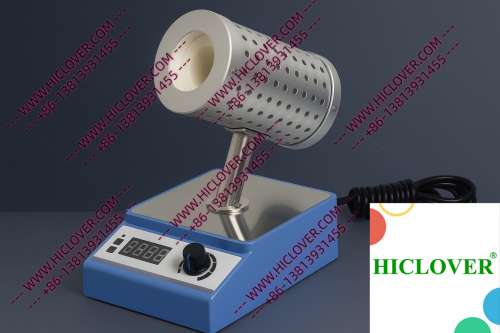
Laboratory contamination can lead to skewed research results, hazardous outbreaks, and significant resource waste. In Sweden, strict guidelines are mandated by the World Health Organization (WHO) and other regulatory bodies to mitigate these risks. Traditional sterilization methods such as flame sterilizers—alcohol lamps, Bunsen burners—are gradually being replaced with more advanced technologies that promote cleanliness and safety. A significant limitation of flame-based sterilizers is their potential to create aerosols and contaminant spread, particularly in clean rooms or biosafety cabinets. Enter the Micro Incinerator, which utilizes infrared heat in a controlled, thermally sterile environment.
Technical Principles of Micro Incinerators
The Micro Incinerator provides rapid thermal sterilization using infrared high-temperature disinfection. The design features an enclosed ceramic tube that generates a consistent temperature, ensuring all surfaces of the inoculating loop reach the critical heat threshold necessary for effective sterilization. The absence of flame and the enclosed design offer several advantages:
- Aerosol-free Handling: Reduces contamination risks when passing instruments through sterilization.
- Enhanced Heating Efficiency: Infrared heat ensures quick heating and cooling, minimizing waiting times.
- Simplified Operation: Ergonomically designed for ease of use in various settings.
- WHO Biosafety Guidelines: Promote the protection of laboratory personnel and the public.
- ISO and EN Standards: Set stringent requirements for laboratory practices.
- Local Regulatory Compliance: Ensures operations within Swedish laboratory standards.
This modern approach to sterilization enhances workflow efficiency and simplifies processes in key laboratory settings.
Application Scenarios in Real Labs
1. Biosafety Cabinet Operations
In biosafety cabinets, researchers often focus on protecting personal safety and preventing cross-contamination. The Micro Incinerator fits seamlessly into biosafety workflows, providing a convenient and safe method for sterilizing inoculating loops and microbiology tools. Its compact size enables laboratory personnel to maintain a sterile field without compromising the integrity of the cabinet environment.
2. University Teaching Labs
In educational institutions, teaching laboratories must demonstrate laboratory safety without distractions. The Micro Incinerator’s rapid operation allows instructors and students to focus on learning without the risks posed by open flames. This technology provides a hands-on learning experience in contamination control while adhering to laboratory standards.
Compliance and Safety Standards
Swedish regulatory compliance requires laboratories to adhere to strict sterilization practices outlined by the WHO and other international organizations. One primary concern is the prevention of flames in clean rooms and high-specification labs due to potential contamination and safety hazards. The Micro Incinerator effectively addresses these regulations, aligning with the following:
Replacing flame-based sterilizers with advanced infrared technology ensures compliance and safety are maintained consistently.
Comparison: Micro Incinerator vs. Traditional Flame Sterilizers
| Feature | Micro Incinerator | Flame Sterilizers |
|---|---|---|
| Aerosol Production | No | Yes |
| Heating Temperature Control | Consistent, Infrared Heat | Variable |
| Ease of Use | User-Friendly | Requires Skill |
| Safety | Low Risk of Fire | High Fire Risk |
Frequently Asked Questions
What is the primary advantage of using a Micro Incinerator in laboratory settings?
The Micro Incinerator provides aerosol-free handling, rapid sterilization, and enhanced safety, making it ideal for sensitive lab environments.
Can a Micro Incinerator be used in BSL-2 and BSL-3 laboratories?
Yes, the Micro Incinerator is designed to meet the stringent requirements for use in BSL-2 and BSL-3 laboratories, ensuring compliance with biosafety standards.
How does the Micro Incinerator compare to traditional flame sterilizers in terms of safety?
Unlike traditional flame sterilizers, the Micro Incinerator reduces the risk of fire and aerosol production, creating a safer working environment.
Is training required for using the Micro Incinerator?
While the Micro Incinerator is user-friendly, proper training on sterilization procedures and best practices is recommended to ensure optimal effectiveness and safety.
Where can I purchase the Micro Incinerator in Sweden?
Contact local laboratory supply distributors or visit specialized websites offering laboratory equipment to order the Micro Incinerator.
Conclusion
In the continuously evolving landscape of laboratory safety, investing in advanced sterilization equipment such as the Micro Incinerator / Infrared Inoculating Loop Sterilizer is crucial. Its benefits—from enhanced biosafety compliance to superior sterilization efficiency—position it as an essential tool for Swedish laboratories. To enhance your laboratory’s safety and operational efficiency, consider upgrading to this innovative sterilization solution. Contact us today for more information on procurement options.
Categories:
Tags: