
In the ever-evolving landscape of laboratory biosafety, ensuring patient safety while maintaining compliance with regulatory standards has become a central concern for clinics and laboratories across India. With the increasing demand for efficient sterilization methods, it is vital for laboratories to select appropriate sterilization equipment that aligns with both workflow efficiency and stringent biosafety guidelines. Enter the Micro Incinerator, also known as the Infrared Inoculating Loop Sterilizer, a state-of-the-art solution specifically designed to address these challenges.
Understanding the Technical Principles of Micro Incinerators
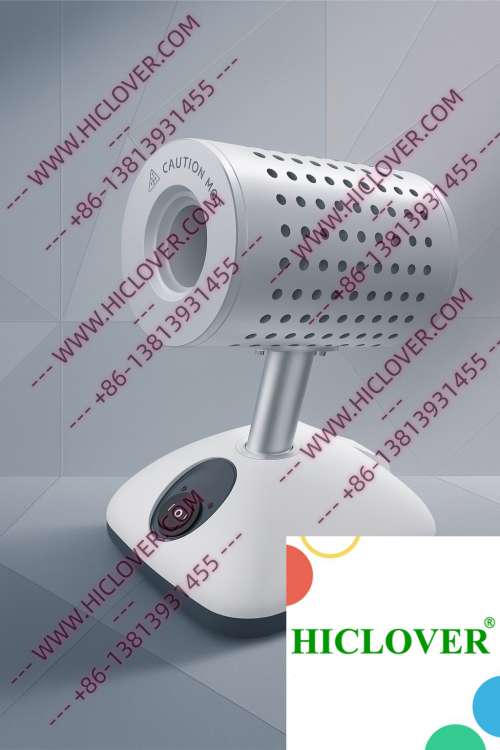
The Micro Incinerator utilizes advanced infrared technology to achieve rapid thermal sterilization without the risks associated with traditional flame sterilizers. Unlike alcohol lamps and Bunsen burners, which pose hazards such as open flames and potential contaminations, the infrared sterilizer operates within an enclosed ceramic tube. This enclosed heating chamber provides a clean, controlled environment that eliminates aerosols and minimizes the risk of aerosol-mediated contamination.
Key Features of the Micro Incinerator
- Rapid Sterilization: Achieves high temperatures quickly, allowing for near-instantaneous sterilization of inoculating loops and needles.
- Environmentally Friendly: No open flames mean less energy and material waste while ensuring laboratory safety.
- Versatile Application: Compatible with various laboratory setups, including BSL-2 and BSL-3 microbiology labs.
- Compact Design: Space-saving footprint ideal for crowded laboratory environments.
Application Scenarios in Real Labs
Micro Incinerators have become the preferred choice across multiple laboratory settings, enhancing both efficiency and compliance. Here are two significant application scenarios:
Biosafety Cabinets in Clinical Diagnostics
In busy clinical diagnostic labs, maintaining sterile conditions is paramount. Utilizing a Micro Incinerator within a biosafety cabinet allows laboratory professionals to efficiently sterilize inoculating loops without impacting airflow or introducing contamination. The compact design fits seamlessly into these controlled environments, ensuring that samples are handled safely without risk to staff or equipment.
Teaching Labs in Universities
In university teaching labs, where students are introduced to practical microbiology techniques, the Micro Incinerator serves as a safe, educational tool. Its operation teaches students the importance of contamination control while allowing them to perform procedures like streaking and inoculation with confidence, ensuring a high standard of biosecurity in the educational environment.
Compliance and Environmental Considerations
Compliance with international biosafety standards, such as those set forth by the WHO, is vital for any laboratory operating within India. The Micro Incinerator not only meets these stringent biosafety regulations but also addresses the critical need for no open flames in clean rooms and high-risk laboratories. Using this equipment, laboratories mitigate the risk of fire hazards typically associated with traditional flame sterilization methods and support a cleaner, safer working atmosphere.
Advantages Over Traditional Flame Sterilizers
When comparing the Micro Incinerator to traditional flame sterilizers such as alcohol lamps and Bunsen burners, the advantages become clear:
| Features | Micro Incinerator | Flame Burners |
|---|---|---|
| Safety | Enclosed design, no open flame | Open flame poses fire hazards |
| Efficiency | Rapid thermal sterilization | Heating time dependent on flame adjustments |
| Environmental Control | Aerosol-free handling | Potential for aerosol contamination |
| Training | Safer learning environment for students | Higher risk in hands-on training |
FAQs about Micro Incinerators
1. What is the primary function of a Micro Incinerator?
The primary function of a Micro Incinerator is to achieve rapid thermal sterilization of inoculating loops, needles, and other small laboratory equipment effectively and safely.
2. Is the Micro Incinerator suitable for field testing?
Yes, the Micro Incinerator is compact and portable, making it ideal for field testing applications where traditional flame sterilizers may be impractical.
3. How does the Micro Incinerator comply with biosafety regulations?
The Micro Incinerator complies with WHO biosafety standards by providing a flame-free sterilization method that minimizes contamination risks and supports safe laboratory practices.
4. Can it be used in BSL-3 labs?
Absolutely! The Micro Incinerator is designed to be used in high containment environments such as BSL-2 and BSL-3 labs, ensuring optimal safety and compliance.
5. What maintenance does the Micro Incinerator require?
Regular cleaning of the ceramic tube and checking for any signs of wear will ensure the Micro Incinerator functions efficiently over time.
Conclusion: Elevate Your Sterilization Practices
As the demand for reliable sterilization equipment grows, the Micro Incinerator emerges as a game-changer in the landscape of laboratory sterilization. With its advanced infrared technology, safety features, and compliance with stringent biosafety standards, it represents an ideal solution for clinics and laboratories in India. For those looking to enhance patient safety while maintaining laboratory compliance, considering the Micro Incinerator is a step forward in fostering a contamination-free environment.
Discover how the Micro Incinerator can transform your sterilization processes—contact us today for a consultation or to inquire about purchasing your own unit.
Categories:
Tags: