
In today’s microbiological research and clinical diagnostics, the demand for stringent biosafety measures and effective sterilization workflows is critical. The challenge lies in preventing contamination while maintaining the efficacy of microbial research. One solution gaining traction in laboratories worldwide is the Micro Incinerator or Infrared Inoculating Loop Sterilizer. Unlike traditional flame sterilizers like alcohol lamps and Bunsen burners, these innovative devices provide rapid thermal sterilization through infrared heat, ensuring both precision and safety.
Understanding Micro Incinerators
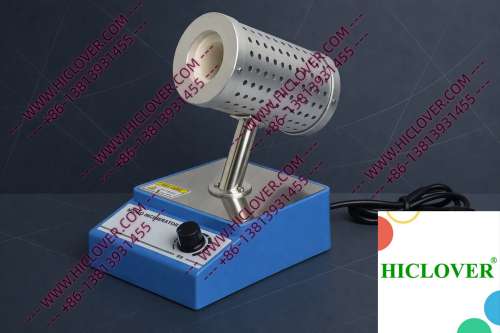
Micro Incinerators are advanced laboratory sterilization devices designed to achieve effective disinfection of inoculating loops, needles, and other microbial handling tools without producing an open flame. These sterilisers feature an enclosed ceramic tube that emits infrared heat, reaching high temperatures rapidly to eliminate bacterial spores and pathogens effectively. The design of these sterilizers promotes enhanced safety, as the high-temperature sterilization occurs within a contained environment, minimizing the risk of aerosol generation and potential exposure to harmful agents.
Technical Principle of Infrared Inoculating Loop Sterilizers
The principle behind infrared inoculating loop sterilizers lies in their ability to generate focused infrared thermal energy, which is harnessed to provide high-temperature disinfection of microbiological tools. The enclosed ceramic chamber has the capability to heat up quickly, often reaching temperatures of 800°C (1472°F) or higher, without the need for a gas supply or open flames. This provides effective sterilization within seconds, making it particularly advantageous in fast-paced laboratory settings.
Application Scenarios in Real Labs
- Biosafety Cabinets: In BSL-2 and BSL-3 laboratories, where strict biosafety protocols are in place, Micro Incinerators provide a clean, flameless solution for sterilizing inoculating loops and tools within the safety of a biosafety cabinet. This integration minimizes the risk of contamination and promotes safe handling of biological samples.
- Teaching Labs: In university teaching laboratories, where effective demonstration of microbiological techniques is essential, instructors can utilize Micro Incinerators to showcase rapid thermal sterilization methods. Their user-friendly design and quick operational capability help students learn efficient sterilization practices in a safe environment.
Compliance and Safety Standards
The relevance of compliance with international biosafety regulations cannot be overstated. Institutions such as the World Health Organization (WHO) and various local health agencies provide guidelines for laboratory best practices, including sterilization protocols. For instance, the absence of flame in clean rooms is crucial to avoid contamination and enhance air quality. Micro Incinerators meet these standards, offering strict adherence to both operational safety and regulatory compliance. Their design also aligns with disinfection requirements outlined in laboratory sterilization standards, making them a reliable choice for research facilities and mobile testing labs.
Advantages Over Traditional Flame Sterilizers
| Feature | Micro Incinerator | Traditional Flame Sterilizers |
|---|---|---|
| Heat Source | Infrared, rapid thermal sterilization | Open flame (alcohol lamp / Bunsen burner) |
| Safety | No open flame, reduced risk of aerosols | Open flame, higher risk of fire hazards |
| Response Time | Seconds for sterilization | Variable, dependent on flame development |
| Ease of Use | Plug-and-play operation | Requires igniting and maintaining a flame |
Environmental Considerations
With increasing attention to laboratory environmental impacts, the use of Micro Incinerators has been encouraged in sustainability initiatives. The absence of flames not only lowers energy consumption but also eliminates the need for combustible materials, aligning the practices of clinical microbiology with eco-friendly objectives. Hospitals and research centers in urban areas, such as San Francisco or New York, are increasingly adopting this modern sterilization technology to ensure compliance with environmental regulations while enhancing patient safety.
FAQs about Micro Incinerators
- What is the primary application of a Micro Incinerator?
Micro Incinerators are primarily used for the rapid sterilization of inoculating loops and needles in clinical microbiology laboratories and educational settings. - How does an Infrared Inoculating Loop Sterilizer compare to traditional sterilizers?
Unlike traditional sterilizers, Micro Incinerators use infrared heat, allowing for instantaneous sterilization without the risks associated with an open flame. - Can Micro Incinerators be used in BSL-3 labs?
Yes, due to their safety features and compliance with biosafety standards, Micro Incinerators are suitable for use in BSL-3 laboratories. - What is the average time required for sterilization?
Sterilization typically occurs within seconds, greatly improving the workflow efficiency in laboratories. - Are there specific maintenance requirements for Micro Incinerators?
Regular cleaning and checks on the ceramic heating chamber are recommended to maintain optimal performance.
Conclusion
The role of Micro Incinerators in laboratory settings is pivotal for ensuring precision and safety when handling sensitive microbiological specimens. Their advanced technology, quick sterilization capabilities, and alignment with stringent biosafety standards position them as an essential asset in clinical microbiology, educational labs, and field testing scenarios. Take the next step in improving your laboratory’s sterilization protocols by contacting us for further information or to initiate a purchase. Elevate your lab safety and efficiency today!
Categories:
Tags: