
The need for effective sterilization methods is paramount in Johannesburg’s healthcare landscape, particularly in the battle against infection. Healthcare providers, including hospitals, laboratories, and academic institutions, face significant biosafety challenges. Ensuring that laboratory equipment such as inoculating loops remains free from contaminants is critical for accurate diagnostics and public health. Among the various sterilization tools, the Micro Incinerator / Infrared Inoculating Loop Sterilizer stands out as a versatile and efficient solution.
Challenges in Laboratory Biosafety
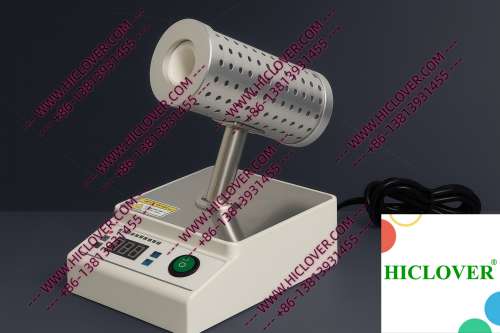
In Johannesburg, healthcare facilities are continuously battling issues related to contamination control. Traditional flame sterilizers, such as alcohol lamps and Bunsen burners, can pose risks, particularly in clean-room environments where even minimal combustion can lead to contamination. Moreover, those operating in BSL-2 and BSL-3 microbiology labs must adhere to stringent safety protocols, further amplifying the need for reliable sterilization methods.
Micro Incinerator: Technical Principles
At the heart of the Micro Incinerator’s effectiveness is its innovative design. Utilizing infrared heat, this sterilizer features an enclosed ceramic heating chamber that rapidly achieves high temperatures—up to 800°C. This provides rapid thermal sterilization capabilities, ensuring that inoculating loops and other delicate tools can be easily decontaminated within seconds.
- Rapid Sterilization: The Micro Incinerator’s infrared technology allows for immediate sterilization without waiting for flames to stabilize.
- Aerosol-Free Handling: The enclosed design minimizes the risk of aerosol contamination, making it ideal for biosafety cabinets.
- Energy Efficient: The infrared system consumes less energy than traditional flame methods.
- What is the primary advantage of using a Micro Incinerator over a traditional flame sterilizer?
The Micro Incinerator offers rapid sterilization, enhanced safety with enclosed heating, and energy efficiency, making it ideal for modern laboratory settings. - Can the Micro Incinerator be used in BSL-3 labs?
Yes, its no-flame feature and excellent contamination control make it appropriate for BSL-3 laboratories. - How long does it take to sterilize an inoculating loop?
Typically, sterilization takes only seconds using the Micro Incinerator. - Is the Micro Incinerator energy efficient?
Absolutely! It consumes significantly less energy compared to traditional flame sterilizers. - What maintenance is required for the Micro Incinerator?
Regular cleaning of the ceramic chamber and ensuring the heating element functions correctly is recommended to maintain performance.
Application Scenarios in Real Labs
The Micro Incinerator has been integrated into various laboratory environments in Johannesburg, showcasing its versatility and efficacy.
1. Teaching Labs at Universities
In university settings, particularly in microbiology courses, the Micro Incinerator serves as a reliable teaching tool. Students learn about sterilization methods while using equipment that minimizes risks associated with open flames. With the ability to sterilize tools in mere seconds, educators can effectively manage time and resources without compromising safety.
2. Field Testing Laboratories
Mobile and field testing labs, often set up for diseases surveillance or outbreak responses in Johannesburg’s diverse communities, utilize the Micro Incinerator to ensure that equipment remains sterile under challenging conditions. Its lightweight, portable design and rapid sterilization capabilities allow healthcare workers to maintain a contamination-free environment even in less controlled settings.
Compliance and Environmental Considerations
Compliance with international biosafety standards set forth by the WHO and other agencies is non-negotiable in laboratories. The Micro Incinerator not only ensures sterilization effectiveness but also aligns with essential safety standards. For instance, its use of infrared heat allows for no open flame—crucial in clean-room operations where even minor contaminants can alter research outcomes and clinical diagnostics.
Biosafety Compliance Reference
According to WHO biosafety guidelines, all laboratory equipment must undergo sterilization to prevent cross-contamination and ensure valid results, especially in Clinical Diagnostics and research settings.
Micro Incinerator vs. Traditional Flame Sterilizers
| Features | Micro Incinerator | Flame Sterilizers |
|---|---|---|
| Speed of Sterilization | Seconds | Variable |
| Safety | Enclosed, no flame | Open flame, risk of burns |
| Energy Consumption | Low | High |
| Use in Clean Rooms | Ideal | Not Recommended |
Frequently Asked Questions
Conclusion
In Johannesburg’s healthcare landscape, the Micro Incinerator / Infrared Inoculating Loop Sterilizer represents a remarkable advancement in laboratory sterilization equipment. Its rapid thermal sterilization, safety features, and compliance with biosafety standards make it an essential tool for healthcare providers in their ongoing fight against infection. For distributors and healthcare facilities seeking reliable, efficient sterilization solutions, consider incorporating this invaluable device into your sterilization workflows.
Categories:
Tags: