
As nations like Sudan advance in combating infectious diseases, enhancing laboratory sterilization processes becomes crucial. Effective contamination control and reliable sterilization workflows are foundational to achieving successful surgical outcomes and ensuring patient safety. Laboratory settings face practical biosafety challenges daily, which demand innovative solutions like the Micro Incinerator / Infrared Inoculating Loop Sterilizer.
Defining the Micro Incinerator / Infrared Inoculating Loop Sterilizer
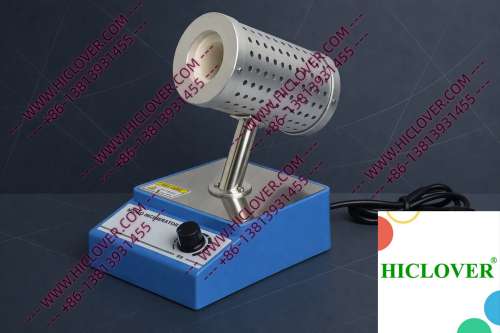
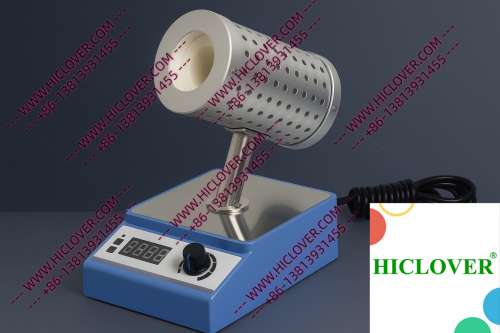
The Micro Incinerator represents a significant advancement in laboratory sterilization equipment, characterized by its utilization of infrared heat. This device employs a precision-engineered enclosed ceramic tube, which emits rapid thermal sterilization capabilities, enabling the swift and effective disinfection of inoculating loops, needles, and other lab tools. Unlike traditional flame sterilizers, the Micro Incinerator ensures an aerosol-free handling process, drastically reducing contamination risks.
Benefits Over Traditional Flame Sterilizers
Flame sterilizers like alcohol lamps and Bunsen burners have long been staples in laboratory settings. However, the Micro Incinerator boasts several advantages:
- Safety: No open flame reduces the risk of burns and fire hazards.
- Efficiency: Infrared high-temperature disinfection occurs almost instantly, improving workflow efficiency.
- Cleanliness: Eliminates issues with soot and residue associated with flame-based sterilization.
- Portability: Lightweight design suitable for mobile or field testing labs.
Application Scenarios in Sudan’s Healthcare System
1. Biosafety Cabinets in Clinical Labs
In a Clinical Diagnostics Lab in Khartoum, the Micro Incinerator has become a vital component for biosafety cabinets where sensitive procedures take place. The precise heat application not only sterilizes inoculating loops but also supports sterile work conditions. In this setting, healthcare professionals work with pathogens requiring BSL-2 containment, where contamination risks are amplified. By adopting the Micro Incinerator, labs achieve optimal sterilization while maintaining a safe working environment.
2. University Teaching Laboratories
Sudan’s universities face a growing challenge in training new microbiologists. In teaching labs, where students are taught sterile techniques, the Infrared Inoculating Loop Sterilizer provides a clean-bench-safe alternative that is both educational and practical. This innovation allows students to learn and practice sterilization without exposure to the dangers of traditional flame sterilizers. By allowing students to engage in aerosol-free handling, they can better appreciate contamination prevention techniques.
Compliance with International Standards
Adhering to laboratory sterilization standards is non-negotiable in modern healthcare environments. WHO biosafety guidelines advocate for minimizing the use of flame sterilizers within clean room environments. As such, the Micro Incinerator becomes an essential piece of equipment to comply with these standards. In clean rooms, where a sterile atmosphere is mandatory, the absence of flames aligns with protocols that reduce contamination risks and enhance safety.
Moreover, with rising concern over environmental sustainability, the Micro Incinerator’s energy-efficient design using infrared technology contributes to greener laboratory practices while maintaining compliance with international sterilization regulations.
FAQs About Micro Incinerators
What is the primary function of a Micro Incinerator?
The primary function is to rapidly sterilize inoculating loops and other laboratory tools through infrared heat, ensuring effective contamination control.
How is a Micro Incinerator different from traditional flame sterilizers?
Unlike traditional flame sterilizers, the Micro Incinerator offers aerosol-free handling, improved efficiency, greater safety, and less environmental impact.
Can the Micro Incinerator be used in field testing labs?
Yes, its lightweight and portable design makes it ideal for field testing labs where quick sterilization is required without compromising safety.
How do I ensure compliance with laboratory sterilization standards?
By using equipment like the Micro Incinerator that meets WHO biosafety guidelines and international sterilization protocols, laboratories can maintain compliance effectively.
Is the Micro Incinerator suitable for educational purposes?
Absolutely! It provides a safe, effective way to teach students sterilization techniques without the risks associated with flame-based systems.
Conclusion
The integration of Micro Incinerators in Sudan’s healthcare system represents a transformative step towards enhanced surgical outcomes and improved safety standards in laboratory practice. The advantages they offer over traditional flame sterilizers are clear and compelling. If you’re a distributor, hospital, university, or NGO, consider incorporating this innovative product into your equipment lineup. For inquiries or to discuss purchasing options, reach out today and join us in advancing healthcare quality in Sudan.
Categories:
Tags: