
In the hustle and bustle of modern laboratory settings, particularly in Sweden’s hospitals, challenges in laboratory biosafety have become increasingly prominent. Laboratories face pressing demands for effective sterilization solutions that can handle a barrage of samples, whether in clinical diagnostics, university teaching labs, or BSL-2 and BSL-3 microbiology environments. The necessity for dependable and efficient laboratory sterilization equipment cannot be overstated, especially as we strive to maintain stringent infection control protocols.
The Technological Edge: Micro Incinerator / Infrared Inoculating Loop Sterilizer
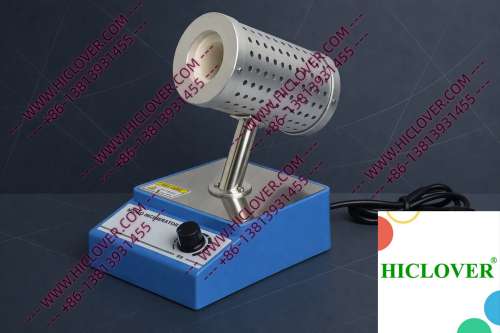
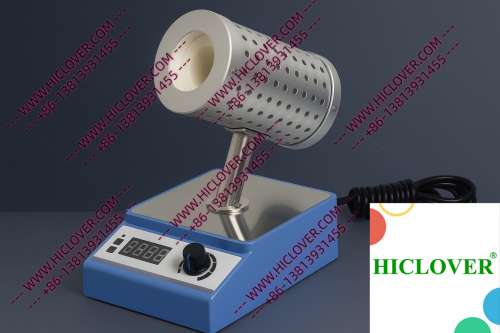
The Micro Incinerator, or Infrared Inoculating Loop Sterilizer, represents a remarkable advancement in the realm of sterilization technology. This sophisticated device leverages the principle of infrared heat, providing rapid thermal sterilization with remarkable efficiency. It operates within an enclosed ceramic heating chamber, which ensures that the sterilization process not only effectively eliminates microbial contaminants but also retains the integrity of the samples being handled. This represents a substantial leap forward compared to traditional flame sterilizers such as alcohol lamps or Bunsen burners, which can produce unwanted aerosols and pose contamination risks.
Advantages Over Traditional Flame Sterilizers
- Rapid Thermal Sterilization: The Micro Incinerator can achieve peak sterilization temperatures almost instantaneously, allowing labs to maintain higher throughput without the prolonged heating time associated with flame sterilizers.
- Contamination Control: The enclosed design mitigates the risk of aerosol generation, contributing to a cleaner laboratory environment, particularly vital in clean-bench-safe operations.
- Safety: Users can safely handle inoculating loops and other lab tools without fear of burns, as there are no open flames involved.
- Durability: The ceramic heating chamber is designed to withstand frequent use, ensuring longevity and reliability in busy laboratory settings.
Application Scenarios in Real Labs
Consider a typical scenario in a biosafety cabinet where microbiological samples are routinely processed. The use of the Micro Incinerator allows laboratory technicians to quickly and efficiently sterilize inoculating loops between samples, minimizing the risk of cross-contamination and ensuring that results are reliable and trustworthy. This rapid thermal sterilization has been vital during times of increased laboratory workloads and can be a significant factor in swift clinical diagnostics.
Another compelling application can be found in teaching labs at universities. As students learn the intricacies of microbiology and associated sterile techniques, having access to this infrared inoculating loop sterilizer ensures an enhanced learning environment. Educators are empowered to focus on effective teaching methods without the safety concerns that come with traditional open flame sterilization – a critical factor when dealing with diverse student populations.
Compliance and Environmental Considerations
Compliance with global biosafety standards is crucial for any laboratory equipped with sterilization technologies. The WHO biosafety guidelines, along with various national and international lab sterilization standards, advocate for the elimination of open flames in clean rooms. The Micro Incinerator aligns perfectly with these regulations, making it an ideal choice for hospitals and research centers in Sweden and beyond. Its eco-friendly nature also reduces unnecessary energy consumption and waste typically associated with alcohol lamps or Bunsen burners.
“Adopting modern sterilization methods like the Micro Incinerator will significantly boost our compliance with biosafety regulations while ensuring optimal performance in our lab.” – A senior lab technician from a Stockholm hospital.
FAQs about Micro Incinerators
1. How does the Micro Incinerator work?
The device uses infrared technology to generate high temperatures rapidly for effective sterilization of inoculating loops and other laboratory instruments.
2. Are there specific applications where the Micro Incinerator excels?
Yes, it is particularly beneficial in BSL-2 and BSL-3 microbiology labs, teaching laboratories, and in field-testing scenarios where contamination risks are high.
3. Is the Micro Incinerator safer than traditional flame sterilizers?
Absolutely. The enclosed design prevents open flames, reducing the risk of burns and aerosol generation, making it a safer option for laboratory personnel.
4. Can the Micro Incinerator be used in mobile testing labs?
Yes, its compact design and ease of use make it suitable for mobile testing environments where sterilization on-the-go is essential.
5. What are the maintenance requirements for the Micro Incinerator?
The device is designed for minimal maintenance; however, regular cleaning of the ceramic tube and monitoring of the heating elements are recommended to ensure optimal performance.
Conclusion
The Micro Incinerator / Infrared Inoculating Loop Sterilizer is undeniably revolutionizing the sterilization processes within Sweden’s hospitals and laboratory environments. Its rapid thermal sterilization capabilities, superior safety features, and alignment with biosafety standards make it a vital investment for clinical diagnostics, research, and educational institutions. By transitioning to this innovative technology, laboratories can not only enhance their infection control measures but also improve operational efficiencies. For inquiries or to learn more about integrating the Micro Incinerator into your laboratory workflow, do not hesitate to contact us!
Categories:
Tags: