
In the world of laboratory biosafety, the quest to ensure accurate, contamination-free results is critical. Laboratories face numerous challenges, from maintaining sterile environments to managing the complications of sterilization workflows. The need for effective sterilization approaches has led to the rise of innovative technologies, such as Micro Incinerators and Infrared Inoculating Loop Sterilizers. This article delves into the technical aspects, applications, and compliance necessities of these essential sterilization devices, highlighting their importance in modern laboratory settings.
The Technical Principle: Infrared Heat and Enclosed Design
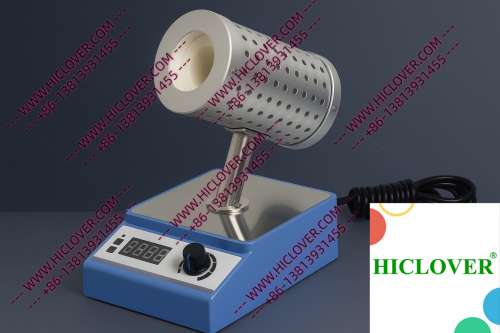
At the heart of Micro Incinerators lies a sophisticated sterilization methodology that leverages infrared high-temperature disinfection. These devices utilize a ceramic heating chamber that generates rapid thermal sterilization through infrared heat. Unlike traditional flame sterilizers, which can produce unwanted aerosols and contaminants, the enclosed design of a Micro Incinerator ensures clean-bench-safe operations, minimizing exposure to harmful particles and maintaining a sterile environment.
Configuration and Efficiency
Micro Incinerators typically feature an ergonomic configuration, allowing for easy operation within various laboratory settings. The enclosed ceramic tube houses an infrared heating element that reaches temperatures sufficient to sterilize inoculating loops, needles, and other instruments within seconds. This speed not only enhances workflow efficiency but also significantly reduces the risk of contamination.
Application Scenarios in Real Labs
Biosafety Cabinet Use
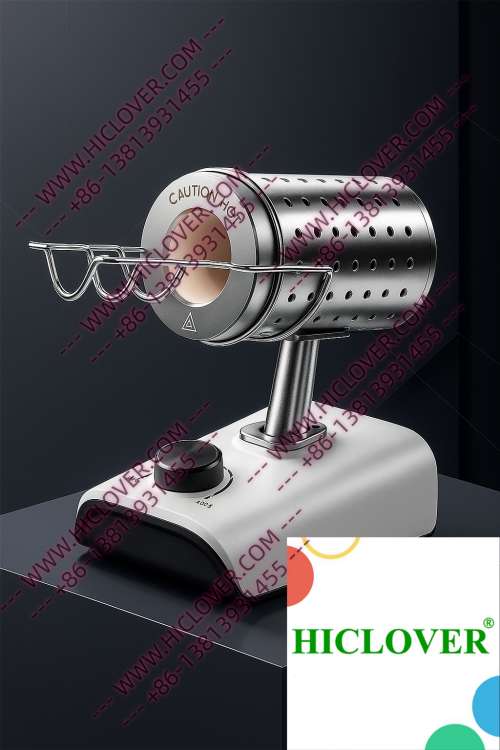
In high-containment laboratories, such as BSL-2 and BSL-3 microbiology labs, maintaining a sterile environment is paramount. Micro Incinerators can be integrated into biosafety cabinets to streamline the process of sterilizing inoculating instruments before they make contact with microbial cultures. This not only ensures a higher level of biosafety compliance but also supports ongoing laboratory research without compromising the integrity of experiments.
Field Testing Applications
In mobile or field testing labs, where resources may be limited, the lightweight and compact design of the Micro Incinerator provides a valuable solution for on-the-spot sterilization. Technicians can quickly sterilize instruments in diverse environments, from agricultural fields to remote health clinics, ensuring that sample contamination is kept to a minimum—crucial for health diagnostics in resource-limited settings.
Compliance and Environmental Considerations
Adhering to global biosafety standards, such as WHO recommendations, is vital for laboratories that handle potentially infectious materials. Various lab sterilization standards outline the importance of eliminating flame usage in clean rooms due to risks of contamination. Micro Incinerators stand out in this regard, as they operate with no open flames, minimizing fire hazards and maintaining a clean ambient atmosphere. This compliance enhances the overall safety and reliability of laboratory operations.
Comparison: Micro Incinerator vs. Traditional Flame Burners
| Feature | Micro Incinerator | Flame Sterilizers (e.g., Bunsen Burners) |
|---|---|---|
| Ignition Method | Infrared heating | Open flame |
| Contamination Control | Effective, enclosed system | Potential aerosol production |
| Safety | Non-flammable | Fire risk present |
| Speed of Sterilization | Seconds | Variable |
| Portability | High | Medium to Low |
FAQs About Micro Incinerators
- How does a Micro Incinerator enhance laboratory safety?
The enclosed design prevents aerosol dispersion, reducing contamination risk compared to traditional flame sterilizers.
- Can Micro Incinerators be used in all laboratory types?
Yes, they are versatile and suitable for BSL-2 and BSL-3 laboratories as well as general university teaching labs.
- What maintenance is required for a Micro Incinerator?
Regular cleaning of the ceramic tube is essential to keep the device functioning efficiently.
- Do Micro Incinerators meet WHO safety standards?
Yes, they are designed to adhere to international biosafety regulations, particularly in microbial handling.
- How long does it take to achieve sterilization?
Typically, sterilization is achieved in under 10 seconds, significantly faster than traditional methods.
The Path Forward: Enhancing Laboratory Standards
As laboratories continue to meet the stringent demands of biosafety and quality control, Micro Incinerators and Infrared Inoculating Loop Sterilizers emerge as vital assets. Their advanced heating technology, combined with superior contamination control and compliance with safety standards, positions them well as essential tools in research and diagnostics. Whether for teaching labs at universities in London or mobile testing facilities in rural Africa, these sterilizers are paving the way for safer research practices.
For those looking to upgrade their laboratory sterilization equipment, consider the benefits of investing in a Micro Incinerator. Its rapid, effective, and safe sterilization capabilities are unmatched in the current market. Don’t hesitate to reach out for more information or to make a purchase today!
Categories:
Tags: