
In today’s ever-evolving laboratory landscape, the demand for effective sterilization techniques has become more crucial than ever. Laboratories face various biosafety challenges, including the need to control contamination and ensure safe handling of specimens in environments with stringent safety protocols. Traditional methods of sterilization, such as flame-based techniques like alcohol lamps and Bunsen burners, have notable shortcomings. Enter low-smoke sterilization solutions, such as the Micro Incinerator or Infrared Inoculating Loop Sterilizer, which promise a new standard for safety and efficiency in laboratory sterilization.
Understanding Infrared Sterilization Principles
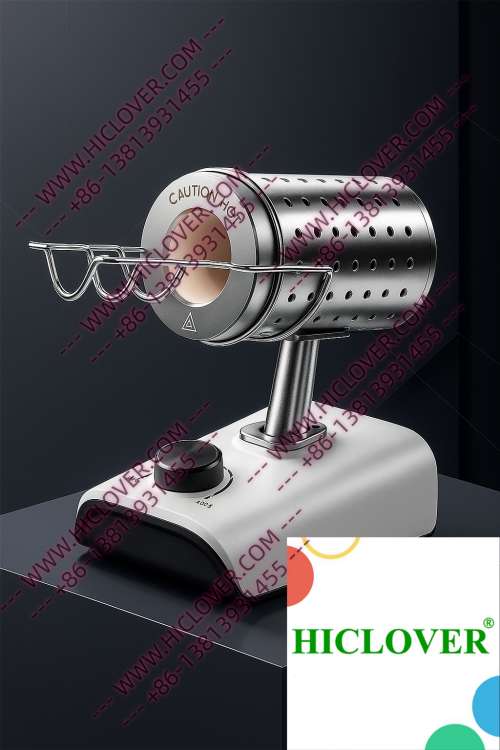
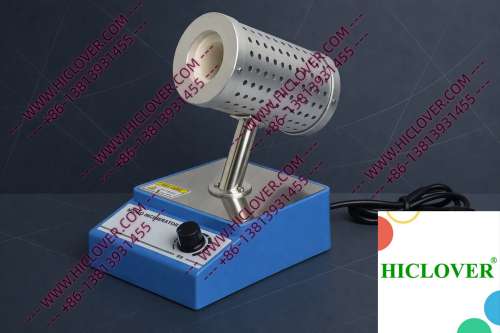
The Micro Incinerator operates on the principle of rapid thermal sterilization using infrared technology. Unlike conventional flame sterilizers that produce combustion byproducts, this device generates intense infrared heat through a ceramic heating chamber, allowing for high-temperature disinfection without the risks associated with open flames. The sterilization process is efficient, ensuring that instruments and loops are sanitized quickly and effectively, eliminating the risk of contamination and promoting a clean, safe work environment.
Significant Advantages Over Traditional Flame Sterilizers
- Contamination Control: The enclosed ceramic tube design minimizes aerosol exposure, allowing for safe handling of materials.
- Clean-Bench-Safe: Ideal for use in biosafety cabinets, where open flames can disrupt airflow and compromise sterility.
- Rapid Thermal Sterilization: Provides immediate results, drastically improving laboratory workflow.
- Aerosol-Free Handling: Prevents the release of harmful particulates into the lab environment.
- What is the primary benefit of using a Micro Incinerator over traditional flame sterilizers?
The primary benefit is the enhanced safety it offers, reducing the risk of contamination and eliminating the hazards associated with open flames in laboratory settings.
- Can the Micro Incinerator be used in a biosafety cabinet?
Yes, the Micro Incinerator is designed to be clean-bench-safe, making it ideal for use in biosafety cabinets where avoiding open flames is critical.
- How quickly can the Micro Incinerator achieve sterilization?
The Micro Incinerator provides rapid thermal sterilization, often within seconds, significantly improving efficiency in laboratory workflows.
- Is the Micro Incinerator compliant with WHO biosafety guidelines?
Yes, it meets the necessary biosafety protocols, ensuring safe sterilization practices in accordance with WHO recommendations.
- What types of laboratories benefit most from using a Micro Incinerator?
BSL-2 and BSL-3 microbiology labs, clinical diagnostics, teaching labs in universities, and mobile field-testing labs can all greatly benefit from this innovative sterilization solution.
Application Scenarios in Modern Laboratories
1. Teaching Labs in Universities
In university laboratories, particularly those focusing on microbiology courses, the usage of Micro Incinerators has transformed educational practices. Students gain hands-on experience using equipment that aligns with professional laboratory standards, helping them understand essential concepts of biosafety and sterilization without the risks associated with flame usage. The instant sterilization capability allows for a seamless workflow, ensuring that experimental setups are completed efficiently, shiny perfectly, allowing for uninterrupted teaching and learning.
2. Clinical Diagnostics and BSL-2 Facilities
Clinical diagnostic labs often work with BSL-2 and higher pathogens, necessitating stringent contamination control measures. The Micro Incinerator’s low-smoke technology is a perfect fit for these environments, enabling safe transfer of samples without the risk of flame-related hazards. Its ability to provide high-temperature sterilization quickly allows for streamlined sample processing, essential in environments where time and safety are critical.
Compliance with Global Biosafety Standards
Various global health organizations, including the WHO, emphasize the importance of high standards in laboratory biosafety. Compliance with these guidelines ensures not only the safety of laboratory personnel but also the integrity of research results. For instance, flame sterilizers release combustible materials that can pose contamination risks in clean rooms, making them unsuitable for such controlled environments. In contrast, the Micro Incinerator adheres to lab sterilization standards with its low-emission profile, making it an optimal choice for laboratories aiming to maintain compliance without sacrificing performance.
In addition to regulatory compliance, laboratories in regions such as Europe and North America benefit from incorporating low-smoke sterilization devices into their workflows, as these devices align with modern practices for health and safety management.
Frequently Asked Questions
Micro Incinerator vs. Flame Burners: A Comparison
| Feature | Micro Incinerator | Flame Burners |
|---|---|---|
| Contamination Control | Excellent; enclosed design | Poor; open flame exposure |
| Efficiency | Instant sterilization | Slower, waiting for flame to stabilize |
| Safety | Low smoke, no open flame | High risk of burns and fire hazards |
| Usability in Clean Environments | Ideal for clean rooms | Not recommended |
| Operating Cost | Low-maintenance | Requires fuel and maintenance |
Conclusion: Transforming Laboratory Safety and Efficiency
The Micro Incinerator or Infrared Inoculating Loop Sterilizer represents a major advancement in laboratory sterilization technology. By eliminating the risks associated with traditional flame sterilizers while maximizing efficiency and compliance, this equipment is crucial for modern biomedical and research facilities. If you’re looking to enhance the safety, efficiency, and compliance of your laboratory’s sterilization processes, don’t hesitate to reach out. Transform your laboratory environment today with state-of-the-art sterilization solutions!
Categories:
Tags: