
The landscape of laboratory biosafety is rapidly evolving, with heightened demands for innovative and effective sterilization solutions. Traditional methods, such as alcohol lamps and Bunsen burners, often present serious drawbacks in terms of contamination control and safety hazards. The advent of low-smoke sterilization technology, particularly the Micro Incinerator or Infrared Inoculating Loop Sterilizer, offers a sustainable approach to meeting current laboratory sterilization workflow demands, ensuring both compliance with safety standards and the protection of laboratory personnel.
Understanding Infrared Sterilization Technology
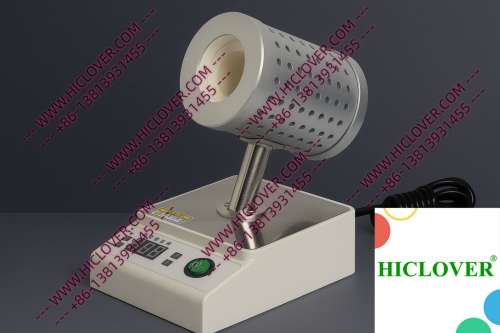
At the heart of the Micro Incinerator’s functionality is its advanced infrared heating mechanism. This device utilizes a high-temperature ceramic heating chamber that quickly and effectively sterilizes laboratory tools and instruments. When an inoculating loop or tool is inserted into the enclosed ceramic tube, infrared rays generate immediate thermal sterilization. This rapid thermal sterilization eliminates pathogens through direct and efficient heat transfer, resulting in a sterilization process that is both effective and time-efficient.
Advantages Over Traditional Flame Sterilizers
- Enhanced Safety: The risk of fire associated with open flames is eliminated.
- Less Smoke and Aerosols: Low smoke production minimizes contamination risk.
- Consistent Temperature Control: Reliable sterilization at pre-defined temperatures.
- Environmentally Friendly: No harmful emissions compared to traditional methods.
- Proper Material Disposal
- Routine Equipment Calibration
- Regular Facility Audits
- Staff Training in Safe Sterilization Practices
Application Scenarios in Modern Laboratories
1. Biosafety Cabinets
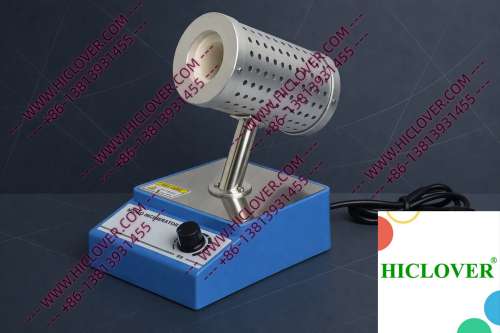
In BSL-2 and BSL-3 microbiology labs, maintaining a sterile environment is crucial. The Micro Incinerator is exceptionally useful within biosafety cabinets, where its low-smoke function minimizes aerosol generation while providing effective sterilization. Researchers can safely use the device to decontaminate inoculating loops and other small instruments without exposing themselves to potential hazards associated with open flames.
2. Mobile Field Testing Labs
In field testing scenarios, where mobility and efficiency are paramount, the Micro Incinerator shines. This device is lightweight and easy to transport, making it ideal for healthcare workers conducting research in remote areas. The rapid thermal sterilization process allows for quick turnover between tests, ensuring that tools remain sterile without the need for traditional flame sources, which can be impractical and unsafe in outdoor environments.
Compliance and Environmental Considerations
Adhering to international biosafety standards is imperative for any laboratory, and the use of low-smoke sterilization aligns well with regulations set forth by the World Health Organization (WHO). Laboratories must comply with sterilization standards to protect against cross-contamination and ensure personnel safety. Many clean rooms explicitly dictate that no flame-based sterilization methods are permitted, making infrared sterilizers not just a preference, but a necessary solution. By using the Micro Incinerator, laboratories can maintain compliance with stringent guidelines while promoting a safer working environment.
Biosafety Compliance Reference:
To ensure optimal biosafety, laboratories should follow guidelines outlined in Standard Operating Procedures (SOPs), including:
FAQs about the Micro Incinerator
What is the primary function of a Micro Incinerator?
The Micro Incinerator is designed primarily for the rapid thermal sterilization of inoculating loops and small laboratory instruments, using infrared heat technology for effective disinfection without the hazards of open flames.
How does infrared sterilization compare to traditional flame methods?
Infrared sterilizers like the Micro Incinerator provide a safer, more controlled method of sterilization without the fire hazard associated with traditional flame methods. They generate low smoke and leverage more consistent temperature control, reducing aerosols in the laboratory environment.
Can the Micro Incinerator be used in field testing environments?
Yes, the Micro Incinerator is portable and suitable for field testing labs where traditional sterilization methods may pose safety risks or logistical challenges.
What measures must be taken to ensure compliance with biosafety standards?
To maintain compliance, facilities should establish clear SOPs and conduct routine audits to ensure methods, including the use of the Micro Incinerator, align with WHO guidelines and local regulations.
How quickly can tools be sterilized using the Micro Incinerator?
The sterilization process with the Micro Incinerator is rapid, typically taking only a few seconds to effectively sterilize laboratory tools, thus improving workflow efficiency in busy environments.
Conclusion
In conclusion, the Micro Incinerator or Infrared Inoculating Loop Sterilizer stands out as a revolutionary tool for modern laboratories aiming to achieve optimal infection control with a sustainable approach. By eliminating traditional flame-based methods, this low-smoke sterilization device not only enhances safety and compliance with biosafety standards but also significantly improves workflow efficiency. For laboratories and research facilities looking to enhance their sterilization protocols, investing in a Micro Incinerator is a forward-thinking decision that promises better performance and safer environments.
For more information or to explore our range of sterilization solutions, please contact us today!
Categories:
Tags: