
Laboratories around the world face mounting challenges in biosafety and sterile working environments. The demand for effective sterilization methods has led to the development of advanced laboratory sterilization equipment, especially in microbiology and clinical diagnostics. Among these innovations, the Micro Incinerator, also known as the Infrared Inoculating Loop Sterilizer, stands out for its rapid thermal sterilization capabilities and low-smoke functionality. This article discusses the technical principles, application scenarios, compliance standards, and benefits of the Micro Incinerator over traditional flame sterilizers.
The Technical Principle of Low-Smoke Sterilization
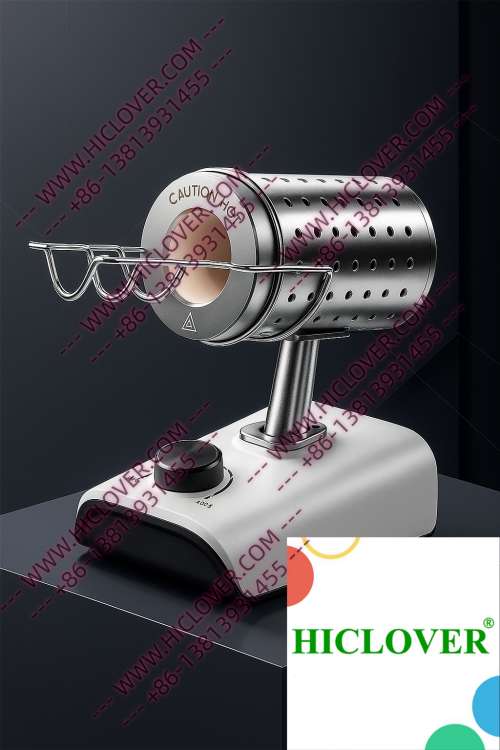
At the heart of the Micro Incinerator is its efficient infrared heating mechanism. This device utilizes an enclosed ceramic tube that reaches high temperatures rapidly, achieving disinfection without creating unwanted smoke or hazardous aerosols. The absence of open flames, as seen in traditional Bunsen burners or alcohol lamps, significantly reduces the risk of combustion and offers a safer alternative for lab personnel.
The ceramic heating chamber provides uniform heat distribution, which is crucial for effective microbial eradication. For laboratory environments, especially in sensitive settings like biosafety cabinets or clean rooms, this capability mitigates exposure to toxic substances and enhances the overall safety of surgical procedures, specimen handling, and diagnostic testing.
Application Scenarios in Real Labs
-
Biosafety Cabinet Utilization:
Micro Incinerators are often employed within biosafety cabinets where maintaining a sterile environment is crucial. In BSL-2 and BSL-3 laboratories, these devices ensure that inoculating loops and other instruments can be quickly sterilized and reused. The low-smoke process minimizes particle release, making it safer for personnel who work with potentially hazardous pathogens.
-
Field Testing Labs:
In field testing situations, especially in remote or mobile labs, portability and ease of use are critical. The Micro Incinerator can be activated with minimal setup and does not require external gas supplies like traditional flame sterilizers. This advantage allows for efficient sampling and sterilization procedures in various environmental conditions.
- What is a Micro Incinerator used for?
A Micro Incinerator is primarily used for the rapid sterilization of inoculating loops and other lab instruments, offering a safer alternative to traditional flame sterilizers.
- How does the infrared sterilization process work?
The infrared heating technology provides direct heat to sterilize instruments, ensuring complete microbial eradication in seconds.
- Are Micro Incinerators suitable for field testing?
Yes, their portability and low power requirements make them an ideal choice for field testing and remote laboratory operations.
- What safety standards do Micro Incinerators meet?
These devices adhere to international biosafety regulations, including WHO guidelines, for safe laboratory usage.
- How does this compare to traditional sterilization methods?
Micro Incinerators offer a cleaner, faster, and safer alternative to traditional flame sterilizers, minimizing contamination risks and improving laboratory workflows.
Compliance and Environmental Considerations
Laboratories are subject to stringent regulations to ensure the safety of personnel and the environment. The World Health Organization (WHO) emphasizes the importance of adhering to biosafety standards during laboratory operations. Traditional flame-based sterilization methods pose risks, including the emission of harmful gases and the danger of fire hazards. In contrast, the Micro Incinerator aligns with global bio-safety standards, offering an eco-friendly and compliant sterilization method.
Furthermore, regulations in countries such as the United States mandate smoke-free environments in clean labs. Using an Infrared Inoculating Loop Sterilizer ensures compliance with these regulations, thus providing peace of mind to laboratory managers and safety officers.
Advantages of Micro Incinerators vs Traditional Flame Sterilizers
| Feature | Micro Incinerator | Flame Sterilizers |
|---|---|---|
| Smoke Production | Low smoke | High smoke |
| Safety | Enclosed, no open flames | Open flames, risk of fire |
| Efficiency | Rapid thermal sterilization | Slower heating times |
| Environmental Impact | Cleaner operation | Emits harmful gases |
| Portability | Lightweight and compact | Often bulky and gas-dependent |
FAQs About Micro Incinerators
Conclusion
In today’s rapidly evolving laboratory landscape, ensuring safety and compliance with sanitary standards is paramount. The Micro Incinerator / Infrared Inoculating Loop Sterilizer presents significant advantages over traditional flame sterilizers by providing rapid thermal sterilization, minimizing toxic exposure, and assuring compliance with global biosafety standards. Investing in this advanced technology can enhance workflows, promote a safe working environment, and increase operational efficiency.
For laboratory supply distributors, hospitals, universities, and research centers looking to improve sterilization practices, consider adding Micro Incinerators to your inventory. Contact us today for more information or to place an order. Let’s enhance safety and hygiene together!
Categories:
Tags: