
In today’s laboratory settings, maintaining biosafety and efficient sterilization workflow is paramount. Laboratories face constant challenges related to contamination control and the need for rapid thermal sterilization processes. Inefficient or outdated sterilization methods, such as Bunsen burners and alcohol lamps, pose risks to both personnel and samples. As a solution, Lubbock hospitals and laboratories are now introducing micro incinerators, specifically the Micro Incinerator or Infrared Inoculating Loop Sterilizer, providing a safe, efficient, and environmentally friendly alternative for laboratory sterilization needs.
Understanding the Micro Incinerator: Principles and Design
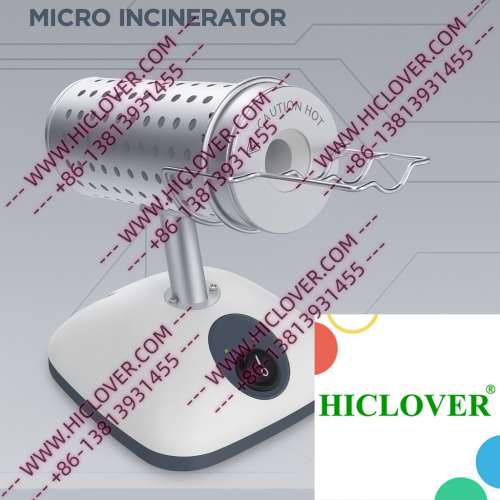
The Micro Incinerator operates on a simple yet effective technical principle — utilizing infrared heat generated within an enclosed ceramic tube. This design enables rapid, high-temperature disinfection without the combative aspects of open flames. The infrared heating element provides direct and uniform heat to items being sterilized, often achieving temperatures exceeding 800°C in mere seconds. This rapid thermal sterilization method excels in both speed and effectiveness, addressing the stringent requirements of both clinical and research laboratories.
Applications in Real Laboratories
Micro Incinerators are highly versatile and can be utilized across various laboratory environments. Here are two primary applications:
- Biosafety Cabinets: In BSL-2 or BSL-3 microbiology laboratories, it’s crucial to minimize the risk of aerosol contamination. The Micro Incinerator can be seamlessly integrated into biosafety cabinets, allowing for clean-bench-safe operations. This ensures that microbiological media transfers and inoculations are conducted within a controlled environment, effectively sterilizing loops and other instruments without disrupting the sterile airflow.
- University Teaching Labs: In academic settings, such as university teaching labs, demonstrating proper sterilization techniques is vital for cultivating future scientists. With the Micro Incinerator, students can safely observe and learn about sterilization in real-time, benefitting from the immediate feedback provided by the device, without the risks associated with open flames or excessive fumes.
Compliance and Environmental Considerations
Laboratories must adhere to strict regulations concerning biosafety and sterilization standards. The World Health Organization (WHO) emphasizes the need for effective sterilization methods that mitigate the risk of contamination. Traditional flame sterilizers often do not meet today’s rigorous standards, particularly in clean rooms where flames are hazardous.
With micro incinerators, laboratories can comply with international biosafety regulations. Their design eliminates open flames, mitigating risks of ignition and exposure to hazardous fumes. Incorporating products like the Micro Incinerator aligns with best practices for waste management, contributing to sustainable lab practices crucial for compliance with environmental protection standards. Furthermore, unlike traditional flame burners, which can generate aerosols, micro incinerators ensure aerosol-free handling, enhancing overall safety.
Advantages Over Traditional Flame Sterilizers
When comparing the Micro Incinerator to traditional flame sterilizers, several key advantages become apparent:
| Feature | Micro Incinerator | Traditional Flame Sterilizers |
|---|---|---|
| Heating Mechanism | Infrared heat | Open flame |
| Ease of Use | One-touch operation | Requires ignition and flame management |
| Aerosol Risk | Zero aerosol generation | Aerosols can be produced |
| Temperature Control | High precision with rapid temperature rise | Less control over temperature |
| Safety | Non-flammable, clean-bench-safe | Risk of burns and fires |
Frequently Asked Questions (FAQs)
What is a Micro Incinerator?
A Micro Incinerator, or Infrared Inoculating Loop Sterilizer, is a piece of laboratory equipment that sterilizes tools and equipment using infrared heat rather than an open flame.
How does the Micro Incinerator work?
The incinerator heats up an enclosed ceramic tube using infrared technology, allowing for efficient sterilization at high temperatures in seconds.
Can the Micro Incinerator be used in field testing?
Yes, its compact design makes it an excellent choice for mobile laboratories, allowing for safe and efficient sterilization even in remote locations.
Is the Micro Incinerator compliant with biosafety regulations?
Absolutely, it adheres to stringent biosafety standards and is ideal for use in sensitive environments such as BSL-2 and BSL-3 laboratories.
What are the maintenance requirements for a Micro Incinerator?
Maintenance is minimal; regular cleaning of the ceramic tube and routine checks of the heating element are usually sufficient to keep the apparatus functioning optimally.
Conclusion: Making the Shift to Sustainable Lab Practices
As Lubbock hospitals and laboratories embrace the Micro Incinerator, they take a significant step toward sustainable laboratory waste management and enhanced biosafety. With the benefits of rapid sterilization, compliance with health and safety regulations, and reduced environmental impact, transitioning to this innovative technology is both a practical and responsible choice. For laboratories seeking to enhance their sterilization processes, consider investing in a Micro Incinerator. Contact us today to learn more about how this technology can benefit your facility.
Categories:
Tags: