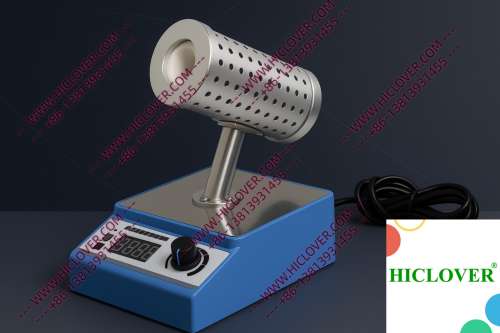
As laboratory environments continue to evolve, professionals face increasing biosafety challenges that necessitate innovative solutions for sterilization workflows. Hospitals in Lyon are taking the lead in integrating advanced sterilization technology, particularly the deployment of portable micro incinerators. This initiative focuses on enhancing laboratory sterilization equipment, particularly the Micro Incinerator / Infrared Inoculating Loop Sterilizer, which offers unmatched reliability in contamination control.
Understanding the Micro Incinerator Technology
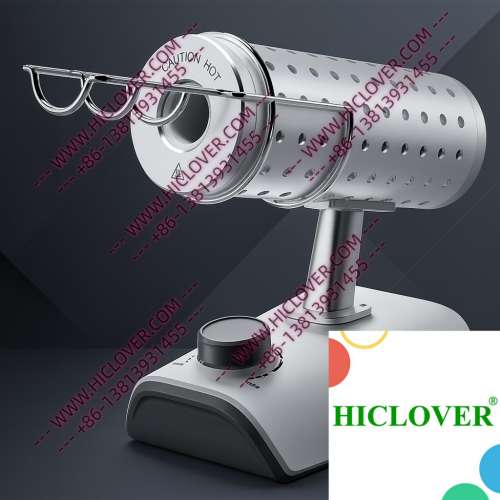
The Micro Incinerator operates on the principle of rapid thermal sterilization using infrared heat. Unlike traditional methods that rely on flames, which pose risks in clean rooms and handling procedures, this technology features an enclosed ceramic heating tube that achieves high temperatures efficiently. The infrared heating mechanism allows for precise control of the sterilization process, ensuring instruments are disinfected quickly while minimizing the risk of contamination.
Key Features of Micro Incinerators
- Compact Design: Portable units that facilitate ease of use in varied settings.
- Aerosol-Free Handling: Minimizes aerosol generation during sterilization, crucial for biosafety.
- Energy Efficiency: Reduced energy consumption compared to traditional flame-based methods.
- Rapid Sterilization: Instruments can be sterilized within seconds.
- Easy Operation: User-friendly interface suitable for all laboratory staff.
- What is the primary advantage of using a Micro Incinerator over traditional sterilizing methods?
The primary advantage lies in its rapid sterilization capacity using infrared heat, minimizing contamination risks without the hazards associated with flames. - Can the Micro Incinerator be used in BSL-3 laboratories?
Yes, the Micro Incinerator is compliant for use in BSL-3 laboratories, ensuring that the highest safety standards are maintained during sterilization. - How does the Micro Incinerator contribute to compliance with biosafety standards?
It eliminates the need for open flames, aligning with WHO biosafety standards for clean environments and offering aerosol-free handling. - Is the Micro Incinerator easy to operate?
Yes, the Micro Incinerator is designed with user-friendly controls, making it accessible for laboratory staff at all experience levels. - What types of instruments can be sterilized using a Micro Incinerator?
A variety of laboratory instruments including inoculating loops, surgical tools, and other small equipment can be effectively sterilized.
Application Scenarios in Real Labs
1. University Teaching Labs
In university teaching labs, the Micro Incinerator is an invaluable tool for microbiology students learning to handle sterile techniques. Instructors can demonstrate the sterilization process in real-time, enhancing the educational experience. The compact nature of the incinerator allows for seamless integration into the lab space, making it feasible for practical applications without the hazards associated with flame sterilizers like alcohol lamps or Bunsen burners.
2. Field Testing in Clinical Diagnostics
For mobile or field testing labs, particularly in clinical diagnostics, the Micro Incinerator proves to be an asset. When operational in varied environments, it ensures that sterilization can occur efficiently without the limitations of having a dedicated sterilization station. Such flexibility in field settings means that samples can be handled with confidence, even in areas lacking traditional sterilization facilities.
Compliance with Biosafety Standards
Adhering to global biosafety standards, such as those established by the World Health Organization (WHO), is critical for any laboratory undertaking. The Micro Incinerator addresses the vital need for sterilization while complying with safety regulations. Notably, it is designed for use in BSL-2 and BSL-3 microbiology labs, where maintaining a contamination-free environment is paramount.
Furthermore, laboratory sterilization standards stipulate that no open flames should be present in clean room environments. The Micro Incinerator offers an innovative solution that meets these compliance requirements, promoting safe practices while enhancing operational workflows.
Micro Incinerators vs. Traditional Flame Burners
| Feature | Micro Incinerator | Flame Burners |
|---|---|---|
| Heat Source | Infrared Heat | Open Flame |
| Portability | Highly Portable | Less Portable |
| Aerosol Generation | Aerosol-Free | High Potential |
| Energy Consumption | Low | High |
| Operating Environment | Clean Rooms | Not Suitable |
Frequently Asked Questions (FAQs)
Conclusion
As Lyon hospitals continue to embrace innovative sterilization solutions, the rollout of portable Micro Incinerators showcases the commitment to maintaining high standards of biosafety and efficiency. By integrating such advanced laboratory sterilization equipment into their workflows, healthcare and educational facilities can ensure effective contamination control while embracing the latest advancements in clinical and laboratory practices. For those looking to enhance their sterilization processes, consider exploring the Micro Incinerator as a valuable addition to your laboratory supply. Contact us today to learn more about integrating this innovative solution into your facility!
Categories:
Tags: