
In laboratories throughout Karachi, the challenges of biosafety and sterilization workflow are paramount. Ensuring optimal cleanliness is not merely a preference; it is a necessity to maintain the integrity of research and clinical diagnostics. As the need for rapid and effective sterilization grows, laboratories are increasingly turning to advanced solutions like the Micro Incinerator or Infrared Inoculating Loop Sterilizer. This article delves into how such technologies are revolutionizing laboratory standards, particularly in environments sensitive to contamination.
The Need for Efficient Laboratory Sterilization Equipment
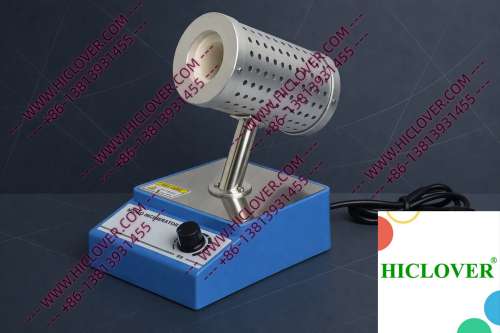
In Karachi, and indeed globally, laboratory professionals are continually faced with the challenge of maintaining a sterile work environment. Traditional flame sterilizers, while widely used, have limitations, including flame hazards, contamination risks, and inefficiencies in heat transfer. The introduction of infrared sterilization techniques meets these challenges head-on by delivering rapid thermal sterilization within enclosed ceramic heating chambers. This transition from flame-based to infrared systems not only enhances safety but also increases efficiency, allowing for aerosol-free handling of equipment.
Technical Principles of Infrared Sterilizers
The Micro Incinerator operates on a simple yet effective principle. Infrared heat is generated through a ceramic heating element, producing high temperatures quickly to ensure prompt sterilization. Unlike traditional flame sterilizers, the enclosed design minimizes exposure to open flames, significantly enhancing safety, especially in clean rooms and biosafety cabinets. The following technical features underline its advantages:
- Rapid Heating: Achieves high temperatures in a matter of seconds.
- Energy Efficiency: Reduced energy consumption compared to prolonged flame methods.
- Durable Design: Long-lasting ceramic tube capabilities for extensive use.
- Clean-Bench-Safe: Ideal for use in biosafety cabinets and clean benches.
Application Scenarios in Real Laboratories
1. Biosafety Cabinets
In BSL-2 and BSL-3 laboratories, where stringent protocols are implemented to handle pathogenic microorganisms, the Micro Incinerator excels. These systems provide a safe method for sterilizing inoculating loops and other equipment while reducing the risk of contamination. With rapid thermal sterilization, laboratory staff can efficiently prepare samples while maintaining adherence to biosafety protocols.
2. University Teaching Labs
Academic institutions in Karachi rely heavily on effective sterilization techniques in their teaching labs. The Infrared Inoculating Loop Sterilizer provides students with a safe environment to learn microbiological techniques without the hazards associated with flame sterilization. It aids in teaching proper contamination control and safety procedures, preparing future generations of scientists for the rigors of microbiological work.
Compliance with Biosafety Standards
Ensuring compliance with national and international biosafety standards is crucial for laboratories. Organizations such as the World Health Organization (WHO) set forth rigorous guidelines for laboratory safety, particularly in microbiological research. The Micro Incinerator aligns with these guidelines by offering a flame-free solution, essential for maintaining a sterile environment in clean rooms. Furthermore, its design is compliant with contemporary laboratory sterilization standards, eliminating the risks associated with alcohol lamps and Bunsen burners.
Comparative Analysis: Micro Incinerator vs. Traditional Flame Sterilizers
| Feature | Micro Incinerator | Traditional Flame Sterilizers |
|---|---|---|
| Heating Method | Infrared | Open flames |
| Safety | Flame-free operation | Risk of fire and burns |
| Heating Speed | Rapid | Prolonged |
| Energy Efficiency | High | Lower |
| Application Scope | Versatile use in labs | Limited by fire risk |
FAQs about Infrared Inoculating Loop Sterilizers
1. How does an infrared inoculating loop sterilizer work?
The device uses infrared technology to rapidly heat the inoculating loop within a ceramic tube, ensuring effective sterilization without the need for an open flame.
2. What are the key advantages of using this sterilizer in labs?
Advantages include increased safety due to flame-free operation, rapid heating capabilities, and compatibility with clean bench environments, minimizing contamination risks.
3. Is the Micro Incinerator easy to use?
Yes, it is designed for user-friendly operation, making it suitable even for teaching labs where students can quickly learn and adapt.
4. How does this technology comply with WHO biosafety standards?
The Micro Incinerator adheres to WHO guidelines by providing a safe sterilization method without flames, reducing potential hazards in laboratory settings.
5. Can the Micro Incinerator be used in field testing labs?
Absolutely, its compact design and efficient sterilization capabilities make it an ideal choice for mobile application in field testing environments.
Conclusion: Elevating Sterilization Standards in Karachi’s Laboratories
As laboratories in Karachi continue to evolve, embracing innovative sterilization technologies like the Micro Incinerator or Infrared Inoculating Loop Sterilizer is vital for maintaining high standards of cleanliness and safety. The transition from traditional flame techniques not only meets the demands of modern laboratories but also addresses critical biosafety concerns effectively. If you are looking for reliable laboratory sterilization equipment that enhances safety and complies with global biosafety standards, contact us today or browse our range of high-quality Micro Incinerators to elevate your lab practices.
Categories:
Tags: