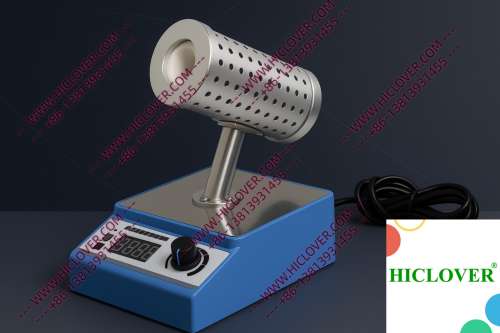
In laboratory environments, especially those dealing with microbial cultures, maintaining strict microbial control is paramount. The challenge of ensuring contamination-free experimentation while adhering to stringent biosafety standards can be daunting. Traditional methods like Bunsen burners and alcohol lamps present limitations such as flame exposure risks and incomplete disinfection. In contrast, modern sterilization equipment, such as the Micro Incinerator or Infrared Inoculating Loop Sterilizer, offers efficient and effective solutions for contemporary laboratory needs.
The Technical Principles of Infrared Sterilization
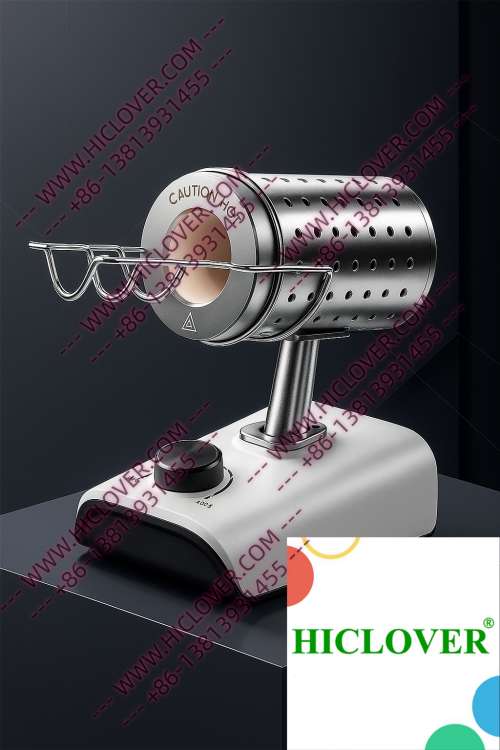
The Micro Incinerator employs advanced infrared heating technology that generates high temperatures within an enclosed ceramic tube. This design ensures rapid thermal sterilization, allowing for the efficient eradication of microbial life on inoculating loops and other small instruments. The infrared high-temperature disinfection method heats objects directly, minimizing the risks associated with open flames, such as aerosols and contamination through environmental exposure. This closed design not only enhances safety in laboratory environments, particularly in sensitive settings like BSL-2 and BSL-3 microbiology labs, but also provides a cleaner and more streamlined workflow.
Applications of Micro Incinerators in Laboratory Settings
The versatility of the Micro Incinerator or Infrared Inoculating Loop Sterilizer makes it an essential item in various laboratory applications. Here are two significant use cases:
- Biosafety Cabinet Operations: In biosafety cabinets, where the risk of contamination is high, the Micro Incinerator enables researchers to sterilize inoculating loops and tools rapidly without exposing them to open flames. This is crucial for environments handling pathogenic organisms where aerosol generation could compromise biological safety.
- Teaching Laboratories: University teaching labs benefit significantly from using the Micro Incinerator. It provides a safe and reliable method for students to learn sterilization techniques without the hazards associated with traditional flame-based methods. Its ease of use allows students to focus on learning aseptic techniques instead of managing flame-related risks.
- It produces no flame, ensuring safety in clean or controlled environments.
- It adheres to international sterilization standards, making it suitable for use in clinical diagnostics and research labs.
- Increased Safety: Elimination of open flames significantly reduces the risk of fire hazards.
- Rapid Sterilization: Infrared technology provides faster heat-up times, achieving sterilization in seconds.
- Reduced Contamination Risk: The enclosed design limits aerosol generation and exposure to ambient contaminants.
- Energy Efficiency: Infrared sterilizers consume less energy compared to constant flame sources.
Compliance with Sterilization Standards
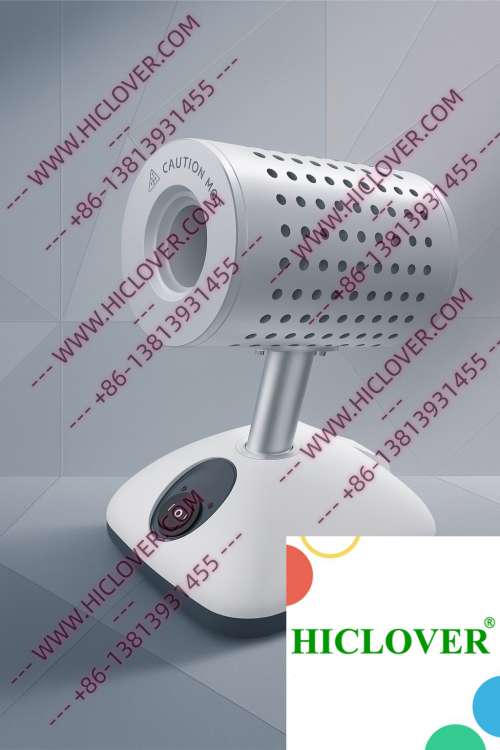
Understanding the regulatory landscape surrounding laboratory operations is vital. The World Health Organization (WHO) provides comprehensive biosafety guidelines that dictate sterilization practices. Compliance with these guidelines is essential to reduce the risk of biological hazards in laboratory settings. As cleanroom environments strive to minimize contamination, the use of flame-based sterilizers can be problematic. The Micro Incinerator stands out because:
Regions such as Europe and the United States have established strict laboratory sterilization standards. The Micro Incinerator is compliant with these regulations, enabling laboratories to operate within legal and safety frameworks effectively.
Advantages Over Traditional Flame Sterilizers
The advantages of using a Micro Incinerator over traditional alcohol lamps and Bunsen burners are numerous:
Micro Incinerator vs. Traditional Flame Sterilizers
| Feature | Micro Incinerator | Flame Sterilizers |
|---|---|---|
| Heat Source | Infrared | Open Flame |
| Safety | No open flame, minimal risk of burns | Fire hazards |
| Sterilization Speed | Seconds | Varies, typically slower |
| Contamination Control | Closed design reduces aerosols | Higher risk of contamination |
| Energy Consumption | Efficient | Higher |
Frequently Asked Questions
1. What types of environments can the Micro Incinerator be used in?
The Micro Incinerator is suitable for BSL-2 and BSL-3 microbiology labs, education settings, and cleanrooms where contamination control is critical.
2. How does infrared sterilization work compared to traditional methods?
Infrared sterilization uses direct heat to rapidly heat instruments, while traditional methods rely on an open flame, which may produce aerosols and take longer.
3. Can the Micro Incinerator be used for field testing?
Yes, it is portable and ideal for mobile laboratories where spontaneous sterilization is necessary without extensive setup or hazardous materials.
4. Is there a risk of burns with the Micro Incinerator?
While the heating chamber does become very hot, the enclosed design minimizes the risk of burns compared to open flame alternatives.
5. How does the Micro Incinerator align with international biosafety standards?
It meets WHO guidelines and local sterilization standards, ensuring that labs using it operate within required legal and safety frameworks.
Conclusion
In laboratories where microbial control is essential, investing in a Micro Incinerator / Infrared Inoculating Loop Sterilizer is a forward-thinking choice. This device not only enhances workflow efficiency but also ensures compliance with safety standards. Its effective and safe method of sterilization significantly reduces contamination risks. If you’re ready to upgrade your laboratory’s sterilization capabilities, please contact us for more information or to discuss your purchasing options!
Categories:
Tags: