
In today’s rapidly evolving scientific landscape, laboratory biosafety challenges pose significant risks to research integrity. As educational and research institutions strive for excellence, the demand for effective sterilization solutions becomes paramount. One of the key players in this domain is the Micro Incinerator / Infrared Inoculating Loop Sterilizer, a technological advancement that revolutionizes sterilization workflows in university labs, clinical settings, and field testing environments.
The Need for Effective Laboratory Sterilization Equipment
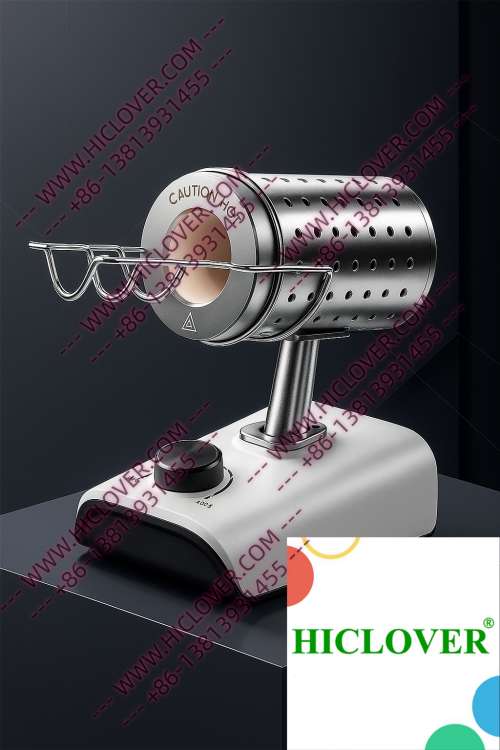
Laboratory environments are often vulnerable to contamination, contaminating not just the samples being studied, but also the integrity of the research itself. Traditional sterilization methods, such as flames from alcohol lamps and Bunsen burners, can pose additional risks, including fire hazards and inconsistent sterilization results. This is where the Micro Incinerator shines with its rapid thermal sterilization properties, ensuring efficient and safe sample handling.
Technical Principles of the Micro Incinerator
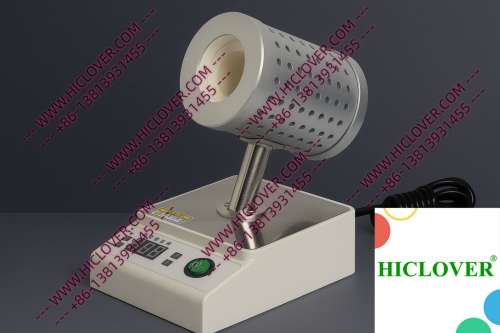
The core of the Micro Incinerator’s functionality lies in its use of infrared heat. This device employs a ceramic heating chamber that is capable of reaching high temperatures within seconds, effectively sterilizing inoculating loops and other tools without the need for an open flame.
- Enclosed Ceramic Tube: The design minimizes risk of exposure and ensures that aerosolized contaminants are contained.
- Rapid Heating: Achieves high temperatures quickly, significantly reducing downtime in laboratory procedures.
- CLEAN-BENCH SAFE: Provides a sterile environment essential for biosafety cabinet operations.
- Reduces aerosol generation, supporting a safer working environment.
- Eliminates the need for flames in clean rooms, minimizing contamination risks.
- Aligns with standard operating procedures (SOPs) for laboratory safety across different regions.
Application Scenarios in Real Labs
Biosafety Cabinets
In BSL-2 or BSL-3 microbiology labs, maintaining sterility is critical. The Micro Incinerator can be used within biosafety cabinets, achieving sterilization efficiently without introducing flames that may disrupt the air balance essential for protecting both the environment and the researcher. The enclosed design enhances contamination control, allowing scientists to work safely with pathogens.
University Teaching Labs
For university teaching laboratories, where students learn microbiological techniques, using flame sterilizers can be not only dangerous but also intimidating. The Infrared Inoculating Loop Sterilizer provides a safe alternative, allowing students to focus on learning without the fear of handling flames. Its user-friendly design makes it suitable for students to master essential lab techniques, such as bacterial culture inoculation, while ensuring compliance with biosafety regulations.
Compliance and Environmental Considerations
Operating within the frameworks established by organizations like the WHO for biosafety practices is non-negotiable in laboratory settings. The Micro Incinerator meets several compliance standards for laboratory sterilization:
In regions like Europe and North America, stringent lab sterilization standards necessitate reliable equipment that upholds safety protocols, making the Infrared Inoculating Loop Sterilizer a preferred choice for universities and research facilities.
Comparative Analysis: Micro Incinerator vs. Traditional Flame Burners
| Feature | Micro Incinerator | Flame Burners |
|---|---|---|
| Safety | Enclosed design; no open flame | Open flame; fire hazard |
| Efficiency | Rapid heating; instant results | Time-consuming; variable results |
| Contamination Control | Minimized aerosols | Increased risk of contamination |
| Ease of Use | User-friendly; low learning curve | Requires skill and safety precautions |
FAQs About Micro Incinerators
1. What makes the Micro Incinerator a better option than traditional flame sterilizers?
The Micro Incinerator provides a safer, more efficient alternative to flame sterilizers, effectively reducing contamination risks and providing rapid sterilization without the hazards associated with open flames.
2. Can the Micro Incinerator be used in field testing environments?
Yes, its compact design and quick heating make it suitable for mobile or field testing labs, allowing for on-the-go sterilization where traditional methods may not be feasible.
3. What biosafety compliance standards does the Micro Incinerator meet?
The Micro Incinerator complies with various rigorous biosafety standards, ensuring safety in laboratory operations and minimizing aerosol generation during use.
4. Is training required to use the Micro Incinerator?
While the Micro Incinerator is user-friendly, basic training is advisable to ensure proper use and adherence to safety protocols, especially for students in educational settings.
5. How does the Micro Incinerator contribute to contamination control?
Its enclosed ceramic design and rapid thermal capabilities significantly reduce the risks of cross-contamination typically associated with open flame sterilization.
Conclusion
As the scientific community continues to emphasize research integrity and biosafety, the adoption of advanced sterilization technologies like the Micro Incinerator / Infrared Inoculating Loop Sterilizer becomes increasingly vital. Offering superior safety, efficiency, and compliance with international standards, it stands out as an essential tool in laboratory settings. Contact us today to explore how this innovative sterilization solution can enhance your laboratory workflows and maintain the highest standards of research integrity.
Categories:
Tags: