
In modern laboratory environments, maintaining sterility is paramount. Laboratory professionals face substantial biosafety challenges, such as preventing cross-contamination and ensuring sample integrity in diverse scenarios. As the demand for effective sterilization workflows rises, reliance on advanced sterilization equipment—like the Micro Incinerator or Infrared Inoculating Loop Sterilizer—becomes indispensable. With an emphasis on efficiency, compliance, and safety, understanding the principles and practices surrounding these devices is essential for laboratories of all types.
Understanding the Micro Incinerator: Technical Principles
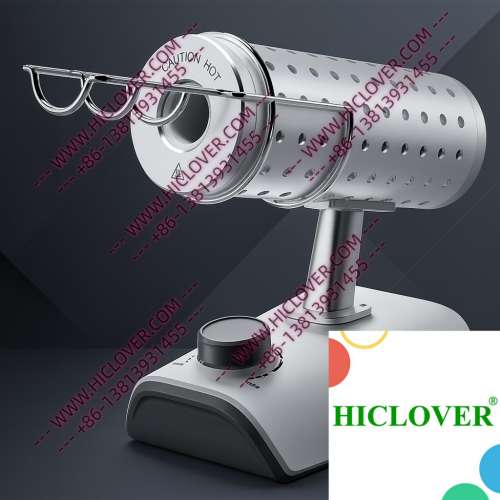
The Micro Incinerator operates on the principle of infrared heat, utilizing a closed ceramic heating chamber that achieves temperatures exceeding 800°C. This rapid thermal sterilization eliminates microbial life, including bacterial spores that are notoriously difficult to eradicate. Unlike traditional methods, infrared sterilizers provide a clean, aerosol-free environment, reducing the risks associated with Bunsen burners and alcohol lamps, which can create open flames and hazardous fumes.
With a compact design that facilitates easy integration into laboratory workflows, the Micro Incinerator is not only efficient but also user-friendly. Its ceramic tube emits concentrated heat directly to inoculating loops, allowing for quick sterilization in a matter of seconds. This is particularly essential in maintaining the integrity of sensitive experiments in biosafety level laboratories (BSL-2 and BSL-3) where contamination control is non-negotiable.
Real-Life Application Scenarios
1. Laboratory Use in BSL-2 Environments
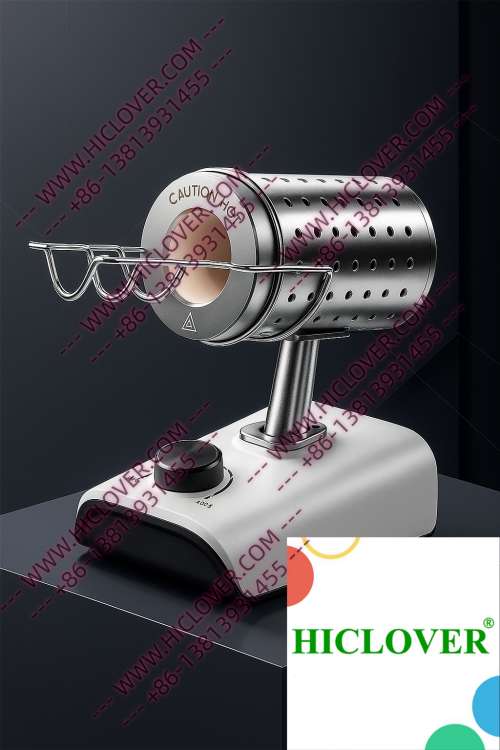
In a BSL-2 microbiology lab at a leading research university, the Micro Incinerator is pivotal in ensuring sterilization between culture transfers. As scientists work with pathogenic bacteria, they rely on its precise heating capabilities to quickly sterilize inoculating loops without the contamination risks associated with traditional flame sterilizers. This enhances safety protocols and allows for rapid transitions between experiments.
2. Field Testing in Remote Locations
Mobile field testing labs often face unique challenges, such as limited access to traditional sterilization methods. In one study conducted in rural areas of Germany, researchers utilized the Micro Incinerator for on-site testing of environmental samples. Its portability and efficient sterilization capabilities allowed them to maintain rigorous biosafety standards, avoiding contamination while conducting vital data collection.
Compliance with Biosafety Standards
Globally recognized standards, such as those outlined by the World Health Organization (WHO) and local regulatory bodies, emphasize the importance of maintaining sterile environments in laboratories. The Micro Incinerator aligns with these standards, particularly when it comes to avoiding the use of open flames in clean rooms and sensitive environments. The implementation of this technology not only supports compliance but also fosters a culture of safety and responsibility within laboratory settings.
Advantages of Micro Incinerators Over Traditional Flame Sterilizers
When compared to conventional methods such as alcohol lamps and Bunsen burners, the Micro Incinerator offers significant advantages:
| Feature | Micro Incinerator | Alcohol Lamp / Bunsen Burner |
|---|---|---|
| Temperature Control | Consistent, precise infrared heat | Variable, often unstable flame |
| Soot and Residue | No soot, resulting in cleaner workspace | Can leave soot residue, complicating cleanup |
| Security | No open flame, eliminating fire hazards | Open flame poses significant fire risks |
| Speed of Sterilization | Sterilizes in seconds | Requires longer heating times |
FAQs About Micro Incinerators
- What is the operating temperature of a Micro Incinerator?
The Micro Incinerator can reach temperatures above 800°C, providing rapid thermal sterilization. - Can Micro Incinerators be used in cleanrooms?
Yes, their design ensures no flames or residue, making them ideal for sterile environments. - How does the Micro Incinerator compare in terms of safety to traditional sterilization methods?
It eliminates fire hazards associated with open flames and reduces the risk of aerosol contamination. - What types of laboratories benefit from using this sterilization device?
BSL-2 and BSL-3 microbiology labs, clinical diagnostics facilities, and educational teaching labs can all benefit from its efficiency and safety features. - Is the Micro Incinerator portable for field use?
Yes, its compact design makes it an excellent choice for mobile or field testing laboratories.
Conclusion: Elevating Laboratory Sterilization Practices
In conclusion, the Micro Incinerator / Infrared Inoculating Loop Sterilizer exemplifies the evolution of laboratory sterilization technology. By incorporating this advanced equipment, laboratories can significantly enhance their sterility protocols, ensuring compliance with international standards while safeguarding against contamination. As the demand for reliable laboratory sterilization equipment continues to rise, do not hesitate to explore our offerings tailored to your needs. Contact us today to learn more about how the Micro Incinerator can transform your laboratory’s sterilization practices.
Categories:
Tags: