
In the realm of modern laboratory practices, the challenge of maintaining sterile conditions is paramount. From research labs to clinical diagnostics, effective microbial control is essential to ensure accurate results and public safety. As the demand for precision increases, particularly in biosafety level 2 (BSL-2) and 3 (BSL-3) microbiology labs, the need for advanced sterilization methods becomes even more evident. Traditional flame sterilizers, such as alcohol lamps and Bunsen burners, have long been staples in laboratories, but innovative sterilization solutions like the Micro Incinerator/Infrared Inoculating Loop Sterilizer are constantly rising to meet these challenges.
The Technical Principle of Infrared Sterilization
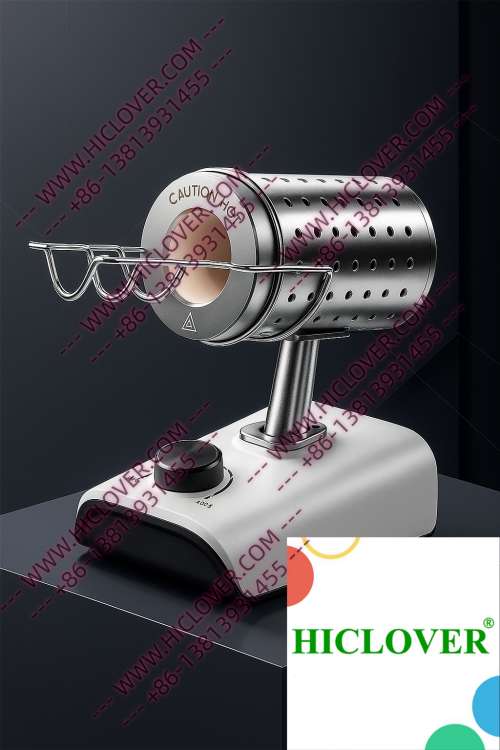
The Micro Incinerator operates on the principle of rapid thermal sterilization through infrared technology. It utilizes a ceramic heating chamber that is capable of reaching temperatures upwards of 800°C within seconds. This sophisticated equipment generates infrared heat, providing a focused and even heating surface for effective sterilization.
- Efficiency: Infrared sterilizers ensure complete eradication of pathogens without producing a flame, thus minimizing the risk of aerosol formation.
- Safety: The enclosed ceramic tube design significantly reduces the chances of accidents associated with open flames, making it ideal for biosafety cupboards.
- Portability: Many models can be used in field testing environments where traditional methods would pose safety risks.
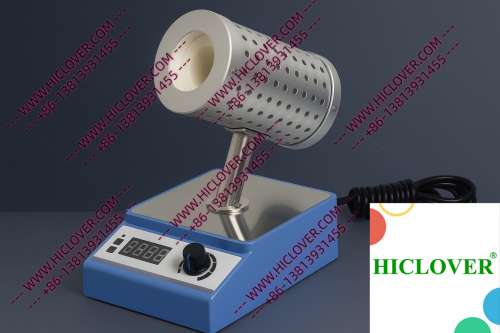
Applications in Modern Laboratories
Beyond the fundamental operation principles, the Micro Incinerator has a variety of practical applications that enhance biosafety and efficiency in laboratory operations. Here are two prime examples:
1. Use in Biosafety Cabinets
In BSL-2 labs, where pathogen handling is a daily requirement, the Micro Incinerator provides a clean, flame-free solution. When used inside a biosafety cabinet, it offers scientists a controlled environment to sterilize inoculating loops and other small instruments. This method reduces the risk of contamination and maintains the sterile field necessary for safe experimentation.
2. Field Testing in Remote Locations
For researchers conducting field testing, traditional flame methods may not be practical due to safety concerns, fuel accessibility, or the potential for fire hazards. The Micro Incinerator provides a compact, lightweight alternative that operates without gas or volatile solutions. Its ease of use enables scientists to perform rapid sterilization on the go, such as in environmental sampling or remote diagnostics.
Compliance and Environmental Considerations
Maintaining compliance with biosafety standards is fundamental in all labs. The World Health Organization (WHO) has established a range of guidelines regarding laboratory safety and sterilization practices. The Micro Incinerator aligns well with these standards. For instance, it mitigates the risks associated with open flames, which are particularly critical in clean rooms where flammable vapors may be present.
Moreover, traditional flame sterilizers can contribute to air contamination and cause aerosol transmission, especially in BSL-3 labs where high-risk pathogens are manipulated. By switching to infrared sterilization methods, laboratories can uphold the highest safety and environmental standards.
Comparison: Micro Incinerator vs. Flame Burners
| Feature | Micro Incinerator | Flame Burners |
|---|---|---|
| Temperature Range | Up to 800°C | Varies, generally lower |
| Contamination Risk | Low (no flames) | High (open flame) |
| Portability | Compact, ideal for field use | Less portable, requires fuel |
| Ease of Use | Straightforward operation | Requires flame management |
| Biosafety Compliance | High compliance with WHO standards | Potential safety hazards |
FAQs About the Micro Incinerator
- What is the primary function of a Micro Incinerator? The primary function is to provide rapid thermal sterilization of inoculating loops and other small laboratory tools without the use of flames.
- How does infrared thermal sterilization work? Infrared sterilization utilizes ceramic heating elements that emit concentrated heat, ensuring effective sterilization of instruments.
- Can the Micro Incinerator be used in a field setting? Yes, its lightweight and portable design makes it ideal for field testing and operations where traditional methods are impractical.
- Is it compliant with global sterilization standards? Absolutely, it meets WHO biosafety standards by minimizing contamination risks associated with traditional flame methods.
- What advantages does it have over flame sterilizers? Major advantages include reduced contamination risk, faster sterilization time, and improved safety in laboratory environments.
Conclusion
As laboratory protocols evolve, mastering microbial control through innovative sterilization techniques is more crucial than ever. The Micro Incinerator / Infrared Inoculating Loop Sterilizer represents the future of safe, effective, and compliant sterilization practices. Whether you are in academic research, clinical diagnostics, or field testing, integrating this technology into your workflow can significantly enhance your laboratory’s functionality.
Ready to optimize your lab’s microbial control with advanced sterilization equipment? Contact us today to explore your options and elevate your laboratory safety standards!
Categories:
Tags: