
In the realm of microbiology, the importance of safety and sterilization cannot be overstated. Laboratories, whether they are at a university, hospital, or specialized research center, face practical biosafety challenges daily. The need for efficient sterilization workflows is paramount—especially when dealing with delicate tasks like inoculating Petri dishes. Loop sterilizers, particularly Micro Incinerators and Infrared Inoculating Loop Sterilizers, have emerged as indispensable tools in this landscape.
Addressing Biosafety Challenges
To ensure accurate results and maintain sterile conditions, microbiology labs must minimize contamination risks. Traditional flame-based sterilizers such as Bunsen burners and alcohol lamps can produce hazardous aerosols and change room conditions, which are unacceptable in sensitive environments like BSL-2 and BSL-3 labs. These methods often require supervision and introduce the potential for open flames, escalating both safety hazards and the risk of laboratory fires.
Understanding the Technical Principles
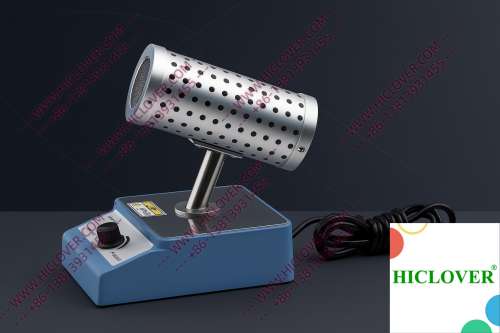
The Micro Incinerator utilizes infrared heat seeping through an enclosed ceramic tube, offering an innovative solution to contamination control. This high-temperature disinfection method allows for rapid thermal sterilization, providing consistent results without the aerosol dispersal associated with flame methods. As a result, the Micro Incinerator is particularly well-suited for both teaching labs and clinical diagnostics, where precise inoculation and contamination-free environments are non-negotiable.
Product Configuration
- Infrared Heating Element: Ensures rapid and even heating across the sterilizing surface.
- Ceramic Heating Chamber: Offers durability and effective thermal conductivity.
- Clean-Bench-Safe Design: Prevents open flames, making it suitable for sensitive laboratory environments.
- Quick Startup Time: Eliminates long waiting periods typically required with flame sterilizers.
- Aerosol-Free Handling: Reduces contamination risk associated with airborne particles.
Practical Applications in Laboratories
Several application scenarios demonstrate the versatility and efficiency of Micro Incinerators:
1. BSL-2 / BSL-3 Microbiology Labs
In microbiology labs operating at BSL-2 and BSL-3 levels, where stringent biosafety practices are enforced, the Micro Incinerator allows researchers to efficiently handle pathogenic microorganisms without the risk of aerosol generation. The infrared heat mechanism not only disinfects inoculating loops but does so in a manner that maintains a sterile environment—an essential factor in the accurate study of pathogens.
2. Teaching Laboratories
University teaching labs frequently utilize the Micro Incinerator due to its simplicity and effectiveness. Students benefit from the training in safe handling techniques without the distractions and dangers posed by traditional flame sterilizers. The portability of these units allows instructors to conduct outdoor field tests while ensuring that the microbial cultures remain uncontaminated.
Compliance and Environmental Considerations
Ensuring compliance with biosafety standards is non-negotiable in laboratory settings. WHO guidelines advocate for efficient sterilization techniques to control microbiological contamination. Furthermore, many labs are moving towards more environmentally sound practices, aiming to eliminate or reduce open flames. The Micro Incinerator stands as a solution compliant with the latest laboratory sterilization standards. As clean rooms and controlled environments grow in popularity, having equipment that adheres to these protocols is crucial.
Here’s a comparison of sterilization methods:
| Feature | Micro Incinerator | Flame Sterilizers |
|---|---|---|
| Aerosol Generation | No | Yes |
| Startup Time | Immediate | Variable |
| Temperature Consistency | High and uniform | Variable |
| Safety Protocols | Biosafety compliant | Hazardous |
| Operational Environment | Clean room safe | Unsuitable |
FAQs
- What is the primary function of a Micro Incinerator?
The primary function is to provide rapid sterilization of inoculating loops and other small laboratory instruments using infrared heat.
- How does the Micro Incinerator compare to traditional flame sterilizers?
Unlike flame sterilizers, it produces no aerosols, offers immediate use, and is safer for clean room operations.
- Are there specific labs that benefit most from Micro Incinerators?
Yes, BSL-2 and BSL-3 labs, teaching labs, and clinical diagnostics particularly benefit from this equipment.
- How is the Micro Incinerator regulated for biosafety compliance?
It follows stringent WHO guidelines and laboratory sterilization standards, ensuring safe practice in microbiology.
- Can the Micro Incinerator be used in field testing?
Absolutely! Its portable design makes it suitable for outdoor laboratory operations without compromising sterilization efficacy.
Conclusion
The importance of mastering microbiology through effective sterilization cannot be overlooked. As traditional methods become outdated due to safety concerns and environmental regulations, the Micro Incinerator emerges as a superior alternative, optimizing both workflow and biosafety. If you are interested in enhancing your laboratory’s sterilization practices, reach out today to explore our range of high-quality Micro Incinerators suitable for diverse applications. Investing in this essential equipment ensures not only compliance with current standards but also significantly boosts your laboratory’s efficiency.
Categories:
Tags: