
In today’s fast-paced scientific landscape, microbiology labs face numerous biosafety challenges. The demand for robust sterilization workflows is essential not only for maintaining the integrity of bacterial cultures but also for ensuring the safety of lab personnel and compliance with stringent health regulations. One pivotal piece of equipment in this regard is the Micro Incinerator or Infrared Inoculating Loop Sterilizer, a revolutionary tool designed to enhance sterilization efficacy while mitigating the risks associated with traditional flame-based methods.
Understanding the Technical Principles of Infrared Sterilization
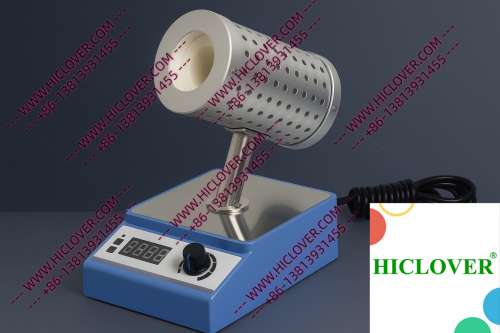
The Micro Incinerator operates using advanced infrared heating technology. Unlike conventional flame sterilizers such as alcohol lamps and Bunsen burners, which rely on open flames, this modern device utilizes an enclosed ceramic tube that rapidly achieves high temperatures. The infrared radiation effectively penetrates the inoculating loop, instantly killing any microbial pathogens while significantly reducing the risk of aerosol generation.
With rapid thermal sterilization capabilities, the Infrared Inoculating Loop Sterilizer ensures quick turnaround times, making it an ideal choice for busy labs. The enclosed design minimizes contamination risks, allowing for clean-bench-safe operations that are essential in areas like BSL-2 and BSL-3 microbiology labs.
Applications of the Micro Incinerator in Laboratory Settings
- Biosafety Cabinets: In laboratory environments where sterility is paramount, the Micro Incinerator can be strategically placed within biosafety cabinets. This combination helps maintain an aerosol-free handling zone, ensuring that both the samples and personnel are protected during microbiological procedures.
- Field Testing: For researchers conducting mobile or field testing, the portability and efficiency of the Micro Incinerator make it a valuable asset. Its lightweight design and lack of an open flame allow scientists to perform sterile inoculation even in remote locations without compromising safety.
- University Teaching Labs: In educational environments, the Micro Incinerator serves as a crucial teaching tool, demonstrating proper sterilization techniques to students while reinforcing the importance of infection control in microbiological practices.
Compliance and Environmental Considerations
Adhering to global and local biosafety standards is critical for any laboratory operation. The World Health Organization (WHO) has established safety guidelines that dictate how laboratories should handle pathogens to minimize risk. Using equipment like the Micro Incinerator aligns well with these regulations, as its enclosed design reduces the potential for contamination, which is crucial in clinical diagnostics and other sensitive applications.
Moreover, traditional flame sterilizers can pose hazards in clean room environments where open flames are strictly prohibited. The Micro Incinerator circumvents this issue perfectly, offering a safe and compliant solution for high-sterility settings.
Micro Incinerator vs. Traditional Flame Sterilizers
| Feature | Micro Incinerator | Traditional Flame Sterilizers |
|---|---|---|
| Operational Safety | No open flame, reduced aerosol | Open flame, risk of burns |
| Speed of Sterilization | Instant sterilization | Variable; dependent on flame adjustment |
| Portability | Lightweight, easily transportable | Generally larger and heavier |
| Contamination Control | Enclosed design minimizes risk | Open exposure to contaminants |
| Biosafety Compliance | Meets WHO safety standards | May not comply in BSL-3 environments |
FAQs About Micro Incinerators
What types of labs benefit from using a Micro Incinerator?
The Micro Incinerator is particularly beneficial for BSL-2 and BSL-3 laboratories, mobile field testing environments, and teaching laboratories that prioritize infection control and rapid sterilization processes.
How does the Micro Incinerator ensure contamination control?
Its enclosed design and infrared heating technology eliminate the risk of aerosol production, minimizing contamination during procedures compare to traditional flame-based methods.
Can the Micro Incinerator be used in clean room settings?
Yes, the Micro Incinerator is safe to use in clean rooms due to its lack of open flame, making it compliant with most clean room sterilization guidelines.
What is the lifespan of a Micro Incinerator?
With proper care and maintenance, a Micro Incinerator can last several years, offering a durable and reliable sterilization solution for laboratories.
How does infrared heating differ from traditional flame heating?
Infrared heating provides consistent and rapid thermal sterilization without the hazards associated with an open flame, ensuring better safety and reliability in microbiological practices.
Conclusion
Overall, the Micro Incinerator / Infrared Inoculating Loop Sterilizer stands out as a game-changer in the realm of laboratory sterilization. Its advanced technology not only facilitates efficient sterilization but also addresses essential biosafety concerns, making it a perfect choice for a wide array of laboratory environments, from university teaching labs to BSL-3 microbiology facilities.
For stakeholders looking to enhance laboratory efficiency and compliance with safety regulations, investing in a Micro Incinerator is a step in the right direction. Contact us today to learn more about integrating this essential piece of equipment into your laboratory workflow!
Categories:
Tags: