
Laboratory settings today face a plethora of biosafety challenges and sterilization workflow demands. The need for rapid thermal sterilization methods that ensure contamination control is critical to maintaining sterile conditions, especially in environments such as BSL-2 and BSL-3 microbiology labs, as well as in clinical diagnostics. To cater to these needs, selecting the right inoculating needle sterilizer is paramount.
Understanding the Micro Incinerator / Infrared Inoculating Loop Sterilizer
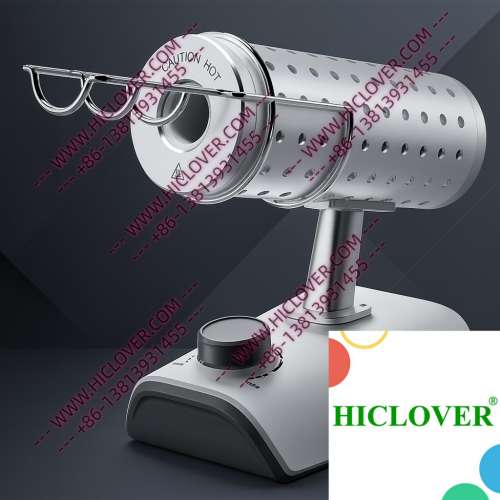
The Infrared Inoculating Loop Sterilizer, often referred to as a micro incinerator, provides an innovative solution for sterilization in laboratory applications. Using infrared heat technology, this device utilizes an enclosed ceramic tube that rapidly reaches high temperatures for quick sterilization. Unlike traditional flame sterilizers like alcohol lamps and Bunsen burners, which can pose risks such as open flames and volatile fumes, the micro incinerator offers a clean-bench-safe method of sterilization.
When the inoculating loop or needle is placed within the ceramic heating chamber, it is subjected to infrared high-temperature disinfection. The technology allows for effective sterilization in as little as 5 to 10 seconds, making it highly efficient compared to conventional methods.
Applications in Real Laboratory Settings
1. Teaching Labs in Universities
Many university laboratories use Micro Incinerators to teach sterile techniques to students. By utilizing the safe and rapid sterilization capabilities of the infrared inoculating loop sterilizer, students can engage in hands-on learning without the hazards associated with open flames. Instructors can easily demonstrate how to maintain aseptic conditions while conducting microbiological experiments, enhancing learning outcomes.
2. Field Testing Scenarios
Field testing typically involves working in environments where access to electricity and other sterilization tools is limited. The compact design of the micro incinerator allows for mobility, enabling researchers to conduct tests on-site without compromising on proper sanitization. This application is particularly relevant in regions like rural areas of developing countries where infrastructure may be inadequate for traditional lab equipment.
Compliance and Environmental Standards
Complying with WHO biosafety protocols and other sterilization standards is paramount for laboratories. The use of flame sterilization in clean rooms is generally discouraged due to the risk of aerosol generation, which can lead to contamination.Cross-contamination risks are particularly high in biosafety cabinets, underscoring the need for effective sterilizers like the micro incinerator.
A summary of essential compliance points includes:
- WHO Biosafety Guidelines: Ensures that all sterilization processes comply with international health standards.
- No Flames in Clean Rooms: Promotes environment safety by minimizing fire hazards.
- Low Aerosol Generation: Enhances contamination control, especially important in BSL-2 and BSL-3 labs.
Comparison: Micro Incinerator vs. Traditional Flame Sterilizers
| Feature | Micro Incinerator | Flame Sterilizers |
|---|---|---|
| Heat Source | Infrared | Open Flame |
| Efficiency | 5-10 seconds | Variable |
| Safety | Clean-bench-safe | Risk of flame hazards |
| Contamination Control | Low aerosol generation | Higher risk of contaminants |
FAQs
1. What is the main advantage of a Micro Incinerator over a traditional flame sterilizer?
The main advantage is the increased safety and efficiency; micro incinerators minimize the risk of open flames and ensure rapid sterilization with low aerosol generation.
2. Can Micro Incinerators be used in field testing?
Yes, their compact design makes them ideal for mobile applications and field testing where typical lab equipment may not be feasible.
3. What are the compliance standards I should consider when choosing a sterilizer?
You should review WHO biosafety guidelines, laboratory sterilization standards, and ensure that the device is suitable for clean room conditions.
4. How quickly can samples be sterilized with a Micro Incinerator?
Inoculating loops and needles can be sterilized in as little as 5 to 10 seconds, enhancing laboratory workflow.
5. Are Micro Incinerators environmentally friendly?
Yes, they operate without open flames, which reduces the risk of fire hazards, and their efficiency leads to less wastage of resources compared to traditional methods.
Conclusion
Choosing the right inoculating needle sterilizer can profoundly impact the efficiency and safety of laboratory operations. The Micro Incinerator / Infrared Inoculating Loop Sterilizer stands out as a vital tool, tackling contemporary biosafety challenges effectively. For those looking to upgrade their sterilization practices, this innovative product is an essential investment. Contact us today for more information or to make a purchase!
Categories:
Tags: