
In the fast-paced environment of biotech labs, maintaining biosafety and optimizing sterilization workflows is critical. Laboratories are continuously challenged with ensuring that all instruments, environments, and experiments remain free from contamination. Traditional sterilization methods, such as Bunsen burners and alcohol lamps, though widely used, often come with limitations in efficiency, safety, and compliance with modern regulations.
Understanding Modern Loop Sterilizers
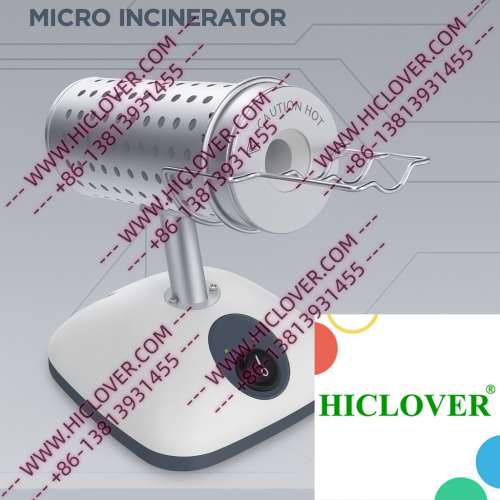
The advent of modern sterilization technologies has led to the development of devices like the Micro Incinerator or Infrared Inoculating Loop Sterilizer. These devices employ advanced thermal sterilization techniques, utilizing infrared heat generated within an enclosed ceramic heating chamber. The infrared waves rapidly transfer heat to the inoculating loops, achieving high-temperature disinfection without producing flames or aerosols.
Compared to traditional methods, the Micro Incinerator offers a clean-bench-safe solution suitable for use in various lab environments, particularly where open flames could pose significant hazards. The design allows for quick, efficient sterilization, thus minimizing waiting times and enhancing workflow productivity.
Key Features of the Micro Incinerator
- Rapid Thermal Sterilization: Achieves sterilization in seconds, ideal for high-throughput labs.
- Enclosed Ceramic Tube: The design mitigates risks associated with open flames and aerosol generation.
- Portability: Lightweight and compact, making it suitable for field testing or mobile labs.
- Energy Efficient: Operates with lower energy consumption than traditional methods.
Application Scenarios in Real Labs
1. Biosafety Cabinets in BSL-2 / BSL-3 Labs
In a BSL-2 microbiology lab, researchers often work with pathogenic microorganisms. Using a Micro Incinerator within a biosafety cabinet ensures a sterile environment is maintained without the risks associated with flames. The infrared sterilizer allows for aerosol-free handling of samples, thus enforcing stricter contamination control while ensuring operator safety.
2. Field Testing in Remote Locations
Field scientists conducting environmental microbiology studies often face logistical challenges regarding sterilization while working in remote locations. The compact design of the Micro Incinerator ensures ease of transport and operation. Its ability to perform rapid thermal sterilization in the absence of electrical outlets is advantageous for on-the-ground testing.
Compliance and Safety Standards
Adhering to biosafety standards is paramount in any laboratory setting. The World Health Organization (WHO) and other regulatory bodies have outlined strict guidelines for laboratory sterilization practices to prevent contamination and ensure safety. Modern laboratories must implement sterilization methods that meet these standards, avoiding traditional open-flame techniques in cleanrooms and biosafety cabinets.
The Micro Incinerator complies with various international sterilization standards by eliminating flame-based procedures, which aligns with both the hygiene requirements of cleanroom labs and safety protocols in clinical diagnostics. This key attribute minimizes the risk factors associated with conventional flame sterilizers, enhancing both efficiency and safety in laboratory settings.
“Investing in modern sterilization equipment like the Micro Incinerator not only supports laboratory compliance but also fosters a safer, more efficient working environment.” – Lab Safety Expert
FAQs
1. What is the primary advantage of using a Micro Incinerator compared to traditional flame sterilizers?
The primary advantage is its ability to achieve high-temperature sterilization rapidly without the hazards associated with flames, such as fire risk and aerosol generation.
2. Can the Micro Incinerator be used in BSL-2 / BSL-3 labs?
Yes, the Micro Incinerator is designed for use in BSL-2 and BSL-3 labs, where strict contamination control measures are necessary.
3. How does the Micro Incinerator enhance lab workflow?
It allows for quick sterilization of inoculating loops, reducing downtime and enhancing efficiency in laboratory processes.
4. Is the Micro Incinerator energy-efficient?
Yes, it operates with lower energy consumption compared to traditional sterilization methods, contributing to sustainable lab practices.
5. Can this device be operated without a power source?
While the Micro Incinerator is primarily electric, some models may offer battery-powered options for field testing in remote locations.
Conclusion
In conclusion, the integration of modern loop sterilizers like the Micro Incinerator into biotech labs is revolutionizing laboratory sterilization workflows. With advantages ranging from rapid thermal sterilization to heightened safety and compliance with international standards, this innovative equipment is clearly a must-have for any forward-thinking laboratory. For institutions looking to enhance their sterilization methods, investing in advanced laboratory sterilization equipment not only maximizes efficiency but also ensures a safer working environment.
Contact us today to discover how the Micro Incinerator can elevate your lab’s sterilization practices and help you achieve optimal biosafety standards.
Categories:
Tags: