
In today’s fast-paced healthcare environment, maximizing efficiency in laboratory sterilization processes is paramount. Laboratory biosafety challenges, including contamination control and the need for rapid sterilization, make it crucial for facilities to employ effective sterilization equipment. The Micro Incinerator / Infrared Inoculating Loop Sterilizer has emerged as a game-changing solution for researchers and clinicians alike, ensuring sterile environments for lab procedures without compromising on safety or efficiency.
Understanding the Technology Behind Infrared Loop Sterilizers
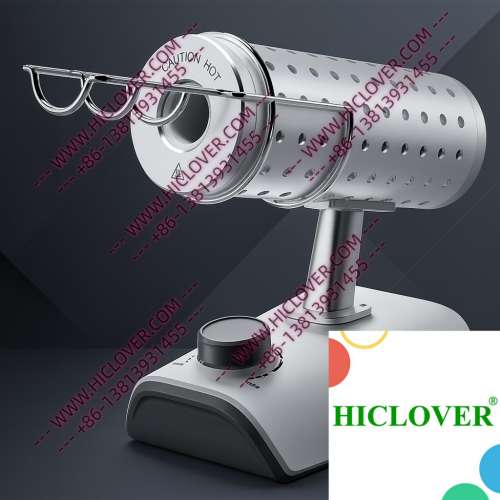
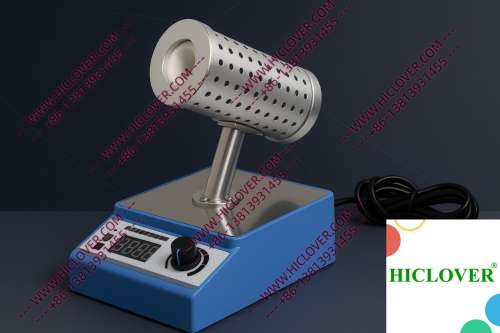
The core technical principle of the Micro Incinerator lies in its ability to utilize infrared heat for rapid thermal sterilization. Unlike traditional methods such as alcohol lamps or Bunsen burners, which introduce an open flame, infrared sterilizers utilize a ceramic heating chamber that provides enclosed and precise heating. This high-temperature disinfection occurs without the risk of aerosol generation, making it an ideal choice for sensitive environments like biosafety cabinets and clean rooms.
The enclosed ceramic tube used in the infrared sterilization process not only allows for efficient heat retention but also minimizes contamination risks associated with open flames. This leads to higher safety standards and allows users to conduct their work confidently, knowing that their surroundings are kept sterile and safe.
Applications of Micro Incinerators in Real Laboratories
Micro Incinerators are suitable for a variety of laboratory settings, each benefiting from the unique properties of infrared sterilization.
Biosafety Cabinets
In BSL-2 and BSL-3 microbiology labs, maintaining sterility is crucial. Using a Micro Incinerator in a biosafety cabinet allows researchers to quickly sterilize tools and inoculating loops without opening the cabinet’s controlled environment. This minimizes the risk of contaminating both samples and the workspace.
Mobile Field Testing Laboratories
Field testing laboratories require portable yet effective sterilization solutions. The Micro Incinerator’s compact design means it can be transported easily, providing rapid sterilization even in remote locations. Whether conducting environmental studies or clinical diagnostics in the field, this device allows researchers to ensure their instruments are sterile, enhancing both efficiency and safety in varying conditions.
Compliance and Environmental Considerations
Compliance with international biosafety and sterilization standards is non-negotiable for healthcare facilities. The World Health Organization (WHO) emphasizes stringent laboratory sterilization practices, especially in clinical settings. The Micro Incinerator meets these standards, significantly reducing the likelihood of laboratory-acquired infections due to inadequate sterilization.
Moreover, the absence of an open flame in clean rooms is a distinct advantage. Open flames can release aerosols and contaminants, jeopardizing the integrity of sterile environments. In contrast, infrared sterilizers promote clean-bench-safe operations, aligning with the need for a contamination-free workspace.
| Feature | Micro Incinerator | Traditional Flame Burners |
|---|---|---|
| Heating Method | Infrared | Open Flame |
| Sterilization Time | Rapid (<5 seconds) | Variable (up to several minutes) |
| Safety | No flames, closed chamber | Risk of burns and aerosols |
| Portability | Compact and light | Heavy and cumbersome |
| Cost-Efficiency | Low running cost | Fuel and maintenance cost |
Frequently Asked Questions
- What are the main advantages of using a Micro Incinerator for sterilization?
The main advantages include rapid sterilization times, enhanced safety with no open flames, and compliance with international biosafety standards. - Can the Micro Incinerator be used in field testing environments?
Yes, its compact design makes it ideal for mobile labs and field testing, allowing for efficient sterilization outside traditional laboratory settings. - Is the Micro Incinerator suitable for use in BSL-2 and BSL-3 labs?
Absolutely, it is designed to meet the rigorous safety standards required in BSL-2 and BSL-3 laboratories. - How does the infrared heat sterilization process differ from traditional methods?
Infrared sterilization offers quicker heating times and eliminates the risk of generating aerosols, making it a safer alternative to open flames. - What certifications does the Micro Incinerator need to meet?
Compliance with WHO biosafety standards and other relevant local regulations is essential for operation in health facilities.
Conclusion
For modern healthcare facilities striving for operational excellence, the Micro Incinerator / Infrared Inoculating Loop Sterilizer presents an innovative solution to the challenges of laboratory sterilization. Its cutting-edge technology not only enhances efficiency but also safeguards the integrity of sterile environments across various applications. By adopting this advanced sterilization method, laboratories can ensure compliance with safety standards while optimizing workflow processes.
Contact us today to explore how our Micro Incinerator can elevate your laboratory’s sterilization practices and enhance overall operational efficiency.
Categories:
Tags: