
As laboratories strive to enhance biosafety and optimize their sterilization workflows, the challenges of contamination control become ever more pronounced. Traditional methods for sterilization, such as alcohol lamps and Bunsen burners, may introduce risks ranging from inefficient sterilization to contamination of the workspace. In addressing these challenges, compact sterilizers like the Micro Incinerator or Infrared Inoculating Loop Sterilizer offer an innovative solution that promises to elevate your lab’s efficiency while ensuring compliance with rigorous safety standards.
Technical Principles of Micro Incinerators
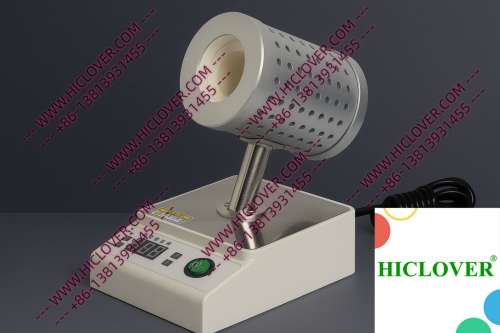
The Micro Incinerator operates on the principle of rapid thermal sterilization using infrared heat. Unlike open flame methods, this device features an enclosed ceramic heating chamber that allows for high-temperature disinfection without the risks associated with flames. The infrared technology provides targeted heating that rapidly sterilizes inoculating loops and other small instruments in seconds, ensuring they are free from contaminants.
With a simple design that focuses on efficiency, the compact size of the Micro Incinerator means it can easily fit on any lab bench, without occupying valuable space. The quick heating time and effective sterilization capabilities make this device an essential tool for any laboratory setting.
Application Scenarios for Micro Incinerators
1. Biosafety Cabinets
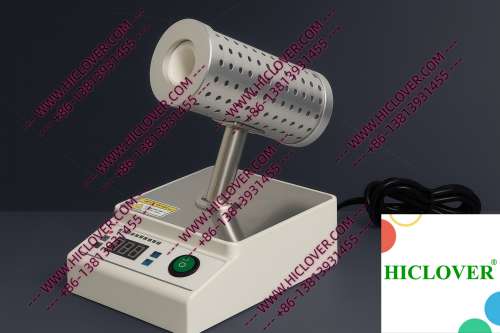
In BSL-2 and BSL-3 microbiology labs, the Micro Incinerator can be integrated seamlessly within a biosafety cabinet. Its compact design allows for efficient sterilization without compromising airflow or increasing the risk of contamination in the sterile environment. This becomes crucial when working with pathogenic microorganisms, where any lapse in sterilization can have serious consequences.
2. Teaching Laboratories
University teaching labs present a unique environment where students learn aseptic techniques. The Micro Incinerator provides a safe, user-friendly method for sterilizing inoculating loops and tools during demonstrations or hands-on sessions. Its aerosol-free handling ensures that students can work confidently, focusing on their learning rather than the risks of open flame.
Compliance and Safety Standards
Laboratory sterilization equipment must adhere to stringent compliance standards to ensure the safety of both personnel and environments. The World Health Organization (WHO) has outlined several biosafety guidelines to mitigate risks associated with laboratory work. Using micro incineration technology complies with these standards, as it minimizes the risk of aerosol generation compared to traditional flame sterilizers.
- No open flames, reducing fire hazards.
- Effective in reducing contamination risks.
- Suitable for use in clean rooms and sensitive environments.
Moreover, municipalities across various regions—including those in cities like London, New York, and Sydney—are emphasizing compliance with local sterilization standards, particularly in clinical diagnostics and research centers focused on infectious diseases. The absence of an open flame in these scenarios is not only a safety feature but a regulatory requirement in many jurisdictions.
Advantages of Micro Incinerators vs. Traditional Flame Sterilizers
| Feature | Micro Incinerator | Flame Sterilizers |
|---|---|---|
| Safety | No open flames, reduced fire risk | Open flames can ignite flammable materials |
| Efficiency | Rapid thermal sterilization in seconds | Longer heating times required |
| Cleanliness | Aerosol-free handling | Potential for contamination through aerosol generation |
| Design | Compact, bench-friendly | Can be bulky and require more space |
Your Path to a Safer Lab Environment
Investing in a Micro Incinerator represents a strategic decision towards optimizing lab efficiency and maintaining high biosafety standards. Its integration can transform workflows in clinical, research, and educational settings, ensuring that laboratories operate safely while meeting regulatory compliance.
Frequently Asked Questions
1. What materials can be sterilized using a Micro Incinerator?
The Micro Incinerator is ideal for sterilizing inoculating loops, needles, and other small metal instruments commonly used in microbiological practices.
2. How quickly does the Micro Incinerator heat up?
The Micro Incinerator is designed to heat up rapidly, achieving sterilization temperature in just a few seconds.
3. Can I use the Micro Incinerator in a clean room environment?
Yes, the Micro Incinerator is suitable for use in clean rooms due to its aerosol-free handling and compact design, allowing for safe operation without contaminating the sterile environment.
4. Is the Micro Incinerator cost-effective for educational institutions?
Absolutely! The longevity and efficiency of the Micro Incinerator make it a cost-effective choice for universities, as it minimizes ongoing costs associated with consumables and provides reliable performance.
5. What are the best practices for maintaining the Micro Incinerator?
Regular cleaning of the ceramic tube and ensuring that it is free from debris will maintain optimal performance. Moreover, periodic inspections for any signs of wear or damage are recommended for safe use.
Conclusion
In conclusion, adopting a Micro Incinerator or Infrared Inoculating Loop Sterilizer is more than just an efficiency-driven choice—it enhances safety, complies with complex regulations, and mitigates various biosafety challenges that laboratories face today. Whether you operate a microbiology lab, a university teaching facility, or a mobile field testing environment, the benefits are numerous. For inquiries or to explore purchasing options, please feel free to contact us today and elevate your lab’s sterilization capabilities!
Categories:
Tags: