
In the ever-evolving landscape of university laboratories, the demand for efficient sterilization methods has never been higher. Laboratories face numerous biosafety challenges, from ensuring contamination control to optimizing workflow. Within these settings, the Micro Incinerator, also known as the Infrared Inoculating Loop Sterilizer, emerges as a beacon of reliability and efficiency. This article delves into the remarkable benefits of using loop sterilizers in university environments, highlighting their technical advantages, application scenarios, compliance relevance, and more.
Technical Principles: How Infrared Loop Sterilizers Work
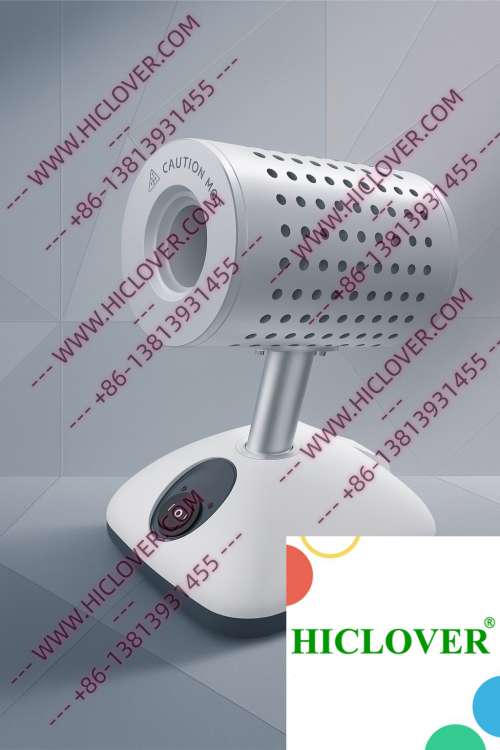
At the heart of the Micro Incinerator’s effectiveness lies its advanced mechanism that employs infrared heat for rapid thermal sterilization. Traditional methods, such as Bunsen burners and alcohol lamps, rely on open flames that can pose contamination risks and require careful handling. In contrast, the infrared loop sterilizer utilizes an enclosed ceramic tube, which provides a clean and efficient heating chamber.
Upon activation, the unit quickly reaches high temperatures conducive to effective disinfection, enabling laboratory personnel to sterilize inoculating loops and tools in seconds. The cycling time is minimal, which significantly enhances workflow efficiency while maintaining stringent sterilization standards.
Application Scenarios: Real-world Uses in Laboratories
- Biosafety Cabinet Utilization: In BSL-2 and BSL-3 microbiology laboratories, where the risk of aerosol contamination is high, sterilization plays a critical role. The Micro Incinerator can be seamlessly integrated into biosafety cabinets, allowing researchers to sterilize loops immediately after use without introducing open flames into the sterile environment. This not only protects the integrity of the lab but also ensures compliance with strict safety protocols.
- Teaching Labs: University teaching labs often grapple with high student-to-instructor ratios, resulting in increased operational demands. With multiple benches in use and students needing quick access to sterilization tools, the Micro Incinerator streamlines the process. Its compact design allows easy placement amidst lab stations, facilitating rapid sterilization for a smooth educational experience.
- What is a Micro Incinerator and how does it work? A Micro Incinerator is an infrared inoculating loop sterilizer that uses high temperatures to quickly and safely sterilize laboratory tools without the use of open flames.
- Can Micro Incinerators be used in field testing environments? Yes, these sterilizers are portable and can be used effectively in mobile or field testing labs, providing rapid sterilization capabilities on-site.
- How do Micro Incinerators comply with laboratory safety standards? They are designed to meet compliance with WHO biosafety guidelines, providing a flame-free option that minimizes the risk of contamination and promotes a safer working environment.
- What are the main advantages of using a Micro Incinerator over traditional sterilization methods? Advantages include enhanced safety, rapid sterilization, ease of use, and a reduced risk of contamination, making them ideal for busy university laboratories.
- Are there any maintenance requirements for Micro Incinerators? Regular cleaning and calibration checks are recommended to ensure optimal performance and longevity. However, they generally require less maintenance than traditional flame sterilizers.
Compliance and Environmental Considerations
Laboratory sterilization methods are heavily regulated to meet both safety and environmental standards. The World Health Organization (WHO) has established specific biosafety guidelines that necessitate precise decontamination techniques, particularly in research and clinical diagnostics. Micro Incinerators align with these standards by providing a flame-free solution that meets the rigorous demands of various regulatory bodies.
Moreover, using infrared sterilizers significantly decreases the risks associated with open flames in clean environments, such as CO₂ incubators or anaerobic chambers. Traditional flame sterilizers may complicate air quality control and could lead to accidents when users are handling gas lines or other volatile substances.
Key Advantages Over Traditional Flame Sterilizers
Transitioning to Micro Incinerators has been proven to yield multiple advantages when compared to traditional flame sterilizers:
| Feature | Micro Incinerator | Flame Sterilizers (Bunsen Burner/Alcohol Lamp) |
|---|---|---|
| Flame-Free Operation | Yes | No |
| Heat Control | Precise, rapid thermal control | Variable, can cause overheating |
| Safety | Minimizes risk of fire hazards | Higher risk of burns, fire |
| Size and Portability | Compact and easy to place | Requires stable setup |
| Contamination Control | Effective in reducing aerosols | Increased risk of contamination |
Frequently Asked Questions
Conclusion
In summary, the Micro Incinerator / Infrared Inoculating Loop Sterilizer presents a powerhouse solution for university laboratories, effectively addressing biosafety challenges while maximizing operational efficiency. Its technical innovations, streamlined application in various scenarios, and compliance with stringent standards make it an indispensable asset for laboratory professionals. If your institution is looking to enhance the sterilization workflow and improve laboratory safety, consider investing in a Micro Incinerator today. Contact us for more information or to request a quote!
Categories:
Tags: