
As laboratories continue to advance in technology and science, the demands for effective biosafety measures and sterilization workflows have become increasingly stringent. From BSL-2 and BSL-3 microbiology labs to university teaching laboratories and field testing environments, the risk of contamination can drastically impact research outcomes. Thus, the shift from traditional flame sterilizers to modern electric heating sterilizers, such as the Micro Incinerator or Infrared Inoculating Loop Sterilizer, is proving to be a crucial step toward ensuring optimal laboratory efficiency.
The Technical Principle Behind Infrared Heating Sterilizers
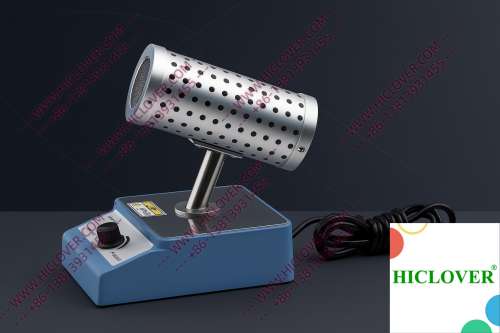
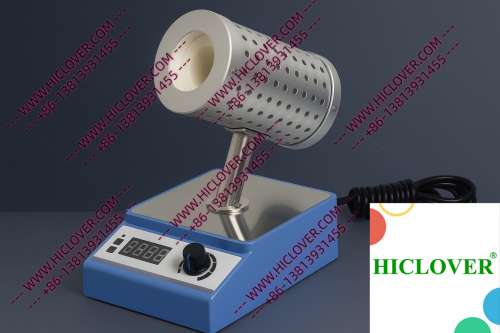
At the heart of the Micro Incinerator’s effectiveness is its unique ability to produce rapid thermal sterilization through infrared heat. This technology utilizes an enclosed ceramic heating chamber that reaches high temperatures almost instantaneously—typically around 800°C (1472°F). Unlike traditional alcohol lamps and Bunsen burners, which can struggle with consistent temperatures and have inherent risks associated with open flames, the infrared sterilizer efficiently generates a concentrated heat source that ensures thorough disinfection of inoculating loops and other laboratory tools.
Advantages of Electric Heating Sterilizers over Traditional Flame Sterilizers
| Feature | Micro Incinerator | Flame Sterilizers |
|---|---|---|
| Heating Speed | Rapid thermal sterilization | Variable, dependent on flame size |
| Temperature Control | Constant and reliable | Often inconsistent |
| Safety | No open flame, aerosol-free | High risk of burns and accidents |
| Compliance | Suitable for clean environments | May not meet clean room requirements |
Application Scenarios in Today’s Laboratories
Biosafety Cabinets and Clean Rooms
In facilities where contamination control is paramount, such as biosafety cabinets (BSCs), the Micro Incinerator stands as an essential tool. Given its flame-free operation, it minimizes the risk of igniting aerosols and preventing cross-contamination of samples. This is particularly vital in research involving dangerous pathogens, where even the smallest contamination could compromise research integrity.
Field Testing and Mobile Laboratories
Another practical scenario involves field testing laboratories that require reliable sterilization in varied environments. Here, infrared inoculating loop sterilizers excel, providing a portable and hassle-free means of ensuring sterilization without reliance on fuel sources required for flame sterilizers. Researchers conducting tests in remote areas, such as environmental monitoring of microbial contamination, find the Micro Incinerator invaluable for its ease of use and safety.
Compliance and Regulatory Considerations
Adhering to global biosafety standards is non-negotiable in laboratory environments, especially those dealing with biological specimens. Organizations like the World Health Organization (WHO) advocate for stringent sterilization protocols to mitigate contamination risks. The Micro Incinerator complies with lab sterilization standards by providing a clean-burning system that eliminates the need for open flames in sensitive environments. Furthermore, its safe operation aligns with the requirements of clean rooms, where maintaining an ultra-clean atmosphere is essential for experimental integrity.
Frequently Asked Questions
- What is the temperature range of a Micro Incinerator? Typically operates at temperatures around 800°C, allowing for effective sterilization.
- Can a Micro Incinerator be used in a BSL-3 lab? Yes, its flame-free operation makes it suitable for BSL-3 environments.
- How quickly can sterilization be achieved? Sterilization is achieved almost instantaneously, significantly improving workflow efficiency.
- Is the Micro Incinerator eco-friendly? Yes, it does not produce harmful emissions, aligning with green lab practices.
- What maintenance is required for the Micro Incinerator? Regular cleaning of the ceramic tubes and checking for functionality is recommended for optimal performance.
Conclusion
As labs in cities like New York, Amsterdam, and Sydney strive to enhance their operational efficiency and maintain the highest standards in biosafety, integrating electric heating sterilizers such as the Micro Incinerator becomes imperative. The transition from traditional flame sterilizers not only addresses safety concerns but also encourages a more streamlined workflow in sensitive environments. For laboratories keen on maintaining stringent standards in sterilization, investing in a Micro Incinerator means joining the forefront of laboratory innovation. Reach out to us today to learn more about how the Micro Incinerator can be a game changer in your workspace.