
In the fast-evolving landscape of laboratory research, the need for stringent biosafety measures is paramount. Laboratories, particularly those operating at BSL-2 and BSL-3 levels, face unique challenges in contamination control. As protocols become more rigorous and the demand for sterile environments intensifies, the integration of advanced sterilization technologies such as the Micro Incinerator or Infrared Inoculating Loop Sterilizer is essential for enhancing laminar flow cabinet performance.
Laboratory Biosafety Challenges and Sterilization Workflow Demands
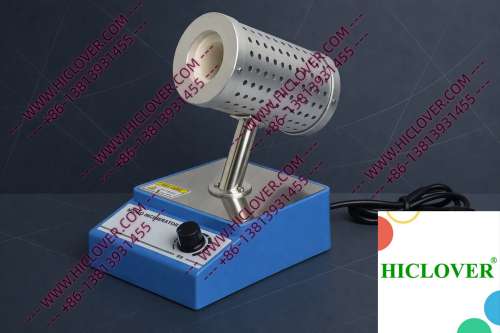
Laboratories dealing with pathogenic microorganisms or potentially hazardous materials must prioritize safety to protect laboratory personnel, the environment, and the integrity of their experiments. Traditional methods of sterilization, such as flame sterilizers (e.g., alcohol lamps, Bunsen burners), are still prevalent; however, they pose significant risks such as fire hazards, aerosol contamination, and difficulty in achieving consistently reliable sterilization results.
The workflow in laboratories often demands rapid sterilization without compromising safety. For instance, ensuring the immediate sterilization of inoculating loops or other reusable tools is critical in preventing cross-contamination. This is where modern sterilization solutions like the infrared inoculating loop sterilizer excel by providing a clean, safe, and efficient means of achieving rapid thermal sterilization.
Technical Principles of Infrared Sterilization
The Infrared Inoculating Loop Sterilizer utilizes advanced ceramic heating elements enclosed in a robust design, offering advantages over traditional flame-based methods. The infrared heat generated is capable of achieving high temperatures swiftly, thus ensuring that any microbial life on sterilizable objects is effectively eradicated within seconds.
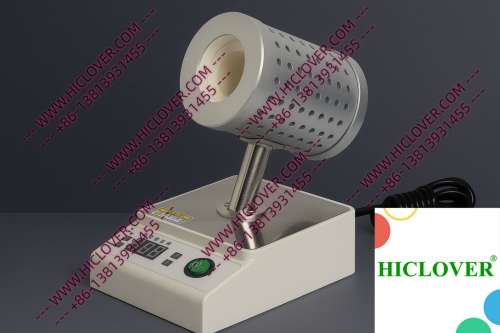
With its enclosed ceramic tube, harmful aerosols are minimized, and the risk of contaminating the surrounding environment is significantly reduced. This technology not only complies with current laboratory sterilization standards but also enhances the overall workflow within biosafety cabinets, allowing for a cleaner and safer working environment.
Application Scenarios in Real Laboratories
1. Microbiology Laboratories
In BSL-2 microbiology labs, the use of heated sterilizers can be integrated seamlessly with laminar flow cabinets. For instance, during culture plating or sample preparation, researchers can quickly sterilize inoculating loops and needles directly within the cabinet. This method os highly efficient, ensuring that microbial cultures remain uncontaminated while adhering to biosafety protocols.
2. University Teaching Laboratories
In teaching labs, the need for safe and effective sterilization methods is just as critical. The Infrared Inoculating Loop Sterilizer serves as an excellent teaching tool, allowing students to witness firsthand the importance of sterilization in pathogen handling without the fear of open flames. Such environments are conducive to learning while ensuring a commitment to safe lab practices.
Compliance and Environmental Considerations
Adhering to organizations such as the WHO, which outlines biosafety standards, is vital for laboratories engaged in clinical diagnostics or research. Proper sterilization equipment must meet local and international sterilization standards—eliminating the use of flames in clean rooms is particularly emphasized to mitigate contamination risks. The Micro Incinerator’s technology aligns with these standards, promoting safe handling and use in sensitive laboratory settings.
In regions like Europe and North America, increasing regulations have made it imperative for labs to upgrade their sterilization methods. As safety and compliance standards evolve, the incorporation of modern sterilization solutions becomes not just advantageous, but necessary.
Advantages of Micro Incinerators vs. Traditional Flame Sterilizers
| Feature | Micro Incinerator | Flame Sterilizers |
|---|---|---|
| Safety | High—no open fire | Moderate—risk of fire hazard |
| Efficiency | Rapid thermal sterilization | Slower; requires skill |
| Aerosol Contamination | Minimal | Potentially high |
| Ease of Use | User-friendly | Requires practice |
| Regulatory Compliance | Meets current standards | Varies widely |
Frequently Asked Questions
- What is the major advantage of using an infrared inoculating loop sterilizer?
The main advantage is the rapid and efficient sterilization it provides while eliminating the fire hazard associated with traditional flame burners. - Can I use an infrared sterilizer in a biosafety cabinet?
Yes, using an infrared sterilizer within a biosafety cabinet is safe and enhances contamination control. - How does a Micro Incinerator minimize aerosol contamination?
The enclosed design of the ceramic tube allows for immediate high-temperature sterilization without the release of particles into the environment. - Are Infrared Inoculating Loop Sterilizers compliant with WHO standards?
Yes, they are designed to meet stringent laboratory sterilization standards stipulated by WHO and local regulating bodies. - Where are these sterilizers most effectively used?
They are most effective in microbiology laboratories, university teaching labs, and in contexts requiring sterile conditions such as clinical diagnostics.
Conclusion
As laboratory environments become increasingly complex, the necessity for efficient and safe sterilization practices cannot be overstated. The Micro Incinerator / Infrared Inoculating Loop Sterilizer represents a significant advancement in laboratory sterilization equipment, enhancing laminar flow cabinet performance and ensuring high levels of safety. Whether in a university, research institution, or community health laboratory, embracing modern sterilization technology is not just a choice—it is a commitment to quality and safety in scientific endeavors.
If you’re interested in upgrading your laboratory’s sterilization capabilities, contact us today to explore how our Micro Incinerator options can elevate your lab’s safety and efficiency.
Categories:
Tags: