
In a modern laboratory setting, the challenges of biosafety and efficient sterilization workflows cannot be overstated. Labs are often tasked with stringent requirements to prevent contamination, particularly in BSL-2 and BSL-3 microbiology labs where the stakes are even higher. The importance of rapid and effective thermal sterilization tools, such as the Micro Incinerator or Infrared Inoculating Loop Sterilizer, cannot be overlooked in this regard, especially as laboratories transition to more advanced technologies.
Understanding the Technical Principles of Infrared Sterilization
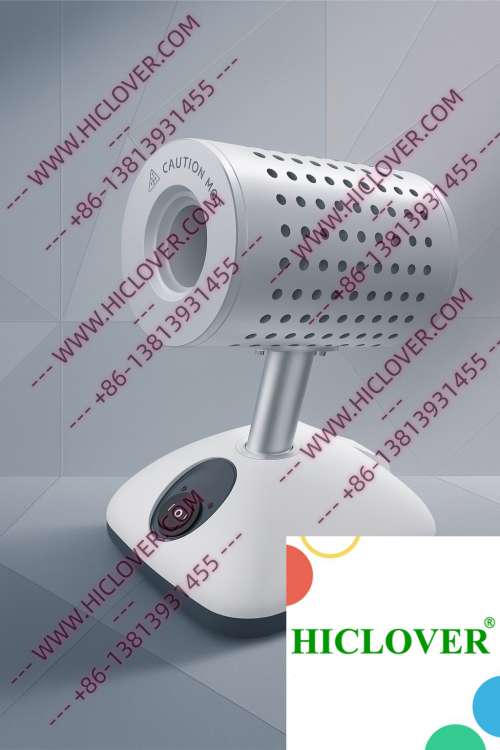
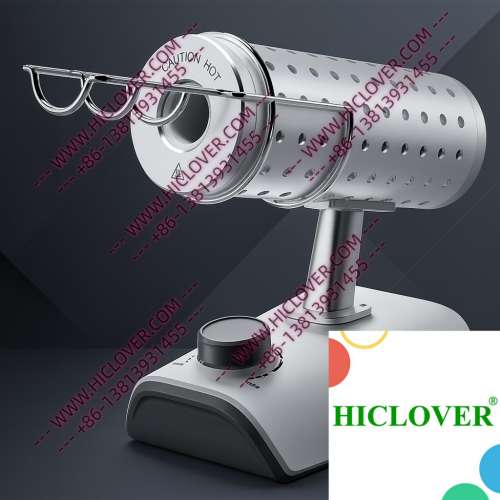
The Micro Incinerator uses state-of-the-art infrared heat technology, which provides an enclosed ceramic heating chamber that delivers rapid thermal sterilization. This innovative approach significantly reduces the time needed for disinfection when compared to traditional flame sterilizers, like alcohol lamps and Bunsen burners, which can be slow and arduous to operate.
Unlike traditional flame-based systems that pose risks such as open flames, aerosol generation, and potential contamination, infrared sterilizers provide clean-bench-safe operations. The Infrared Inoculating Loop Sterilizer operates by delivering high-temperature disinfection using infrared energy, ensuring that laboratory instruments – such as inoculating loops – are sterilized effectively and without the mess of combustion byproducts.
Comparison Table: Micro Incinerator vs. Flame Burners
| Feature | Micro Incinerator | Flame Burners |
|---|---|---|
| Heating Method | Infrared | Combustion Flame |
| Time to Sterilization | Seconds | Minutes |
| Safety | Low Risk of Burns | High Risk of Burns |
| Clean Environment | Yes | No (Causes Aerosol) |
| Ease of Use | Simple & Efficient | Requires Skill |
Application Scenarios in Real Labs
Let’s delve into two specific application scenarios where the Micro Incinerator has demonstrated unparalleled performance. The first is in a biosafety cabinet where researchers are handling pathogens. The enclosed setup of a biosafety cabinet minimizes the risk of contamination, and using an Infrared Inoculating Loop Sterilizer enables quick tool sterilization without disrupting the controlled environment.
The second scenario can be found in a teaching lab setting at a university. Instructors can effectively demonstrate safety techniques for sterilization without the hazards associated with flames. Students can learn essential biosafety protocols along with sterilization methods that comply with the WHO biosafety standards without the fear of exposure to open flames or dangerous aerosols.
Compliance with Biosafety Standards
Ensuring compliance with regulatory frameworks is crucial for any laboratory engaged in microbiological research. The use of infrared sterilization devices aligns with the WHO biosafety guidelines and other laboratory sterilization standards aimed at minimizing risks associated with contamination.
Furthermore, traditional flame sterilizers are prohibited in clean rooms due to their potential to produce particulates and aerosols. The Micro Incinerator, on the other hand, meets clean-room safety protocols, providing a safe, reliable, and efficient alternative for instrument sterilization.
Benefits of Using Sensors to Enhance Performance
Modern iterations of the Micro Incinerator integrate advanced sensor technology to monitor and control temperature, ensuring consistent sterilization efficacy. These sensors enhance the performance of the sterilizer by:
- Providing real-time status updates on sterilization cycles.
- Adjusting heat output to ensure optimal efficacy against specific pathogens.
- Automatically shutting off after the completion of cycles, saving energy and ensuring safety.
- Logging data for compliance verification during audits.
FAQs about Micro Incinerators and Infrared Inoculating Loop Sterilizers
1. What makes the Micro Incinerator safer than traditional sterilizers?
The Micro Incinerator does not produce an open flame, significantly reducing the risk of fire and burns while preventing aerosol generation that could contaminate surfaces or individuals.
2. How quickly can an infrared sterilizer sterilize instruments?
Typically, the Micro Incinerator can achieve effective sterilization in a matter of seconds, considerably faster than traditional flame-based systems, which may take several minutes.
3. Are Micro Incinerators compliant with laboratory safety standards?
Yes, Micro Incinerators comply with numerous laboratory safety standards, including those set forth by WHO, making them suitable for use in a variety of laboratory environments.
4. Can infrared sterilizers be used in field testing laboratories?
Absolutely! Their portability and quick operation make them ideal for mobile or field testing labs where sterilization needs to be rapid and efficient without traditional flame hazards.
5. What are the maintenance requirements for a Micro Incinerator?
Routine maintenance is minimal, usually limited to checking the heating element and ensuring that the ceramic tube is free from debris. Regular calibration is also recommended to assure optimal performance.
Conclusion
In summary, the integration of the Micro Incinerator or Infrared Inoculating Loop Sterilizer into laboratory practices enhances not only biosafety but also the efficiency of sterilization workflows. For laboratories looking to minimize contamination risks while maximizing safety and efficiency, opting for this advanced technology is a wise choice. We invite you to reach out to our team to learn more about how the Micro Incinerator can transform your lab’s sterilization processes.