
In today’s laboratory environment, ensuring effective sterilization while maintaining biosafety standards is paramount. Biosafety workstations face practical challenges, such as controlling contamination, ensuring rapid thermal sterilization, and adapting to workflows that demand high efficiency. One key piece of laboratory sterilization equipment that addresses these needs is the Micro Incinerator, specifically the Infrared Inoculating Loop Sterilizer. This innovative device not only meets sterilization demands but also promotes a safer and cleaner working atmosphere.
Understanding the Technical Principles of Infrared Sterilization
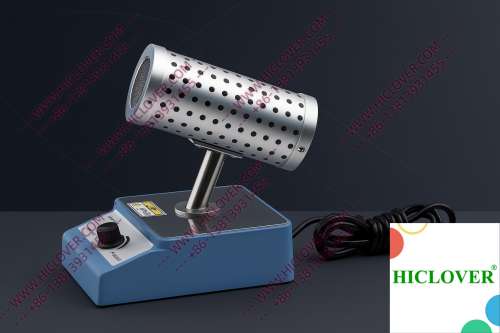
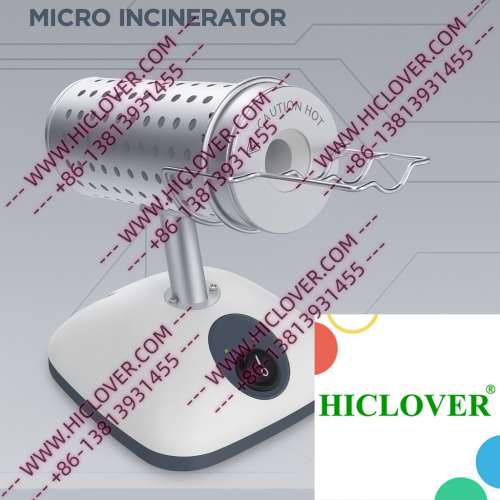
The Micro Incinerator employs infrared heat generated through a ceramic heating chamber, which is ideal for rapid sterilization of inoculating loops, needles, and other tools. Unlike traditional flame sterilizers like Bunsen burners and alcohol lamps, it utilizes contactless heating to achieve high temperatures quickly, reaching up to 850°C for efficient disinfection. This process ensures the elimination of microbial life while minimizing aerosol production, contributing to a cleaner and safer environment. The design of the enclosed ceramic tube enhances this process, providing focused heat that maximizes sterilization efficiency and minimizes the risk of fire or explosion.
Applications of Micro Incinerators in Laboratory Settings
- Biosafety Cabinets: Micro Incinerators are highly effective within biosafety cabinets, where contamination control is critical. Their compact size and rapid heating capabilities allow for streamlined workflows in sterile environments.
- Field Testing Laboratories: In field testing contexts, especially in BSL-2 or BSL-3 microbiology labs, the portability and safety offered by infrared sterilizers facilitate quick and reliable sterilization of tools on-site, reducing contamination risks in the field.
- University Teaching Labs: University laboratories benefit from the use of Micro Incinerators in educational settings, allowing students to conduct experiments with confidence in a safe and controlled environment.
- What is the main advantage of a Micro Incinerator over traditional sterilizers?
The Micro Incinerator provides consistent high-temperature disinfection with minimal aerosol production, making it safer and more efficient than traditional flame sterilizers. - Can a Micro Incinerator be used in a biosafety cabinet?
Yes, Micro Incinerators are designed to be used in biosafety cabinets, enhancing sterilization efficiency without compromising air quality. - How does the infrared heating technology work?
The infrared heating technology uses a ceramic heating chamber that generates rapid thermal sterilization through focused heat, ensuring effective disinfection. - Is the Micro Incinerator environmentally friendly?
Absolutely, it consumes less energy compared to traditional methods and reduces the release of harmful particles into the environment. - What standards does the Micro Incinerator comply with?
The Micro Incinerator adheres to WHO biosafety standards and laboratory sterilization regulations, making it suitable for various laboratory settings.
Compliance and Environmental Considerations
Complying with biosafety standards set forth by organizations such as the World Health Organization (WHO) is non-negotiable in laboratory operations. Sterilization practices must adhere to international lab sterilization standards which focus on preventing contamination and ensuring biosafety in BSL-2 and BSL-3 settings. Traditional flame sterilizers pose risks in clean rooms, where open flames are prohibited due to the potential for igniting flammable materials. The Micro Incinerator eliminates these concerns, making it a compliant choice for modern laboratories.
Moreover, the environmental aspect of sterilization cannot be ignored. The efficient design of the Micro Incinerator reduces energy consumption compared to traditional options, thus supporting sustainable laboratory practices. Additionally, its non-flame approach minimizes the release of harmful particles and aerosols into the environment, contributing to cleaner air quality in research settings.
Comparison of Micro Incinerators and Traditional Flame Sterilizers
| Feature | Micro Incinerator | Flame Sterilizer |
|---|---|---|
| Heating Method | Infrared | Open Flame |
| Temperature Control | High precision | Less consistent |
| Safety | Enclosed design | Fire risk |
| Portability | Highly portable | Less portable |
| Aerosol Production | Minimal | High |
FAQs About Micro Incinerators
Conclusion
In summary, the Micro Incinerator presents an innovative solution to modern laboratory sterilization challenges. With its unique technical advantages and compliance with biosafety standards, it stands out as a responsible choice for research institutions, hospitals, and educational laboratories alike. Transitioning from traditional flame sterilizers to advanced infrared inoculating loop sterilizers not only enhances safety and efficiency but also supports a more sustainable laboratory environment. Explore the potential of the Micro Incinerator today to elevate your laboratory operations.
Contact us for more information on integrating the Micro Incinerator into your facility’s sterilization protocols or to request a quote for purchase.
Categories:
Tags: