
In today’s fast-paced laboratory environment, ensuring effective sterilization is crucial for maintaining biosafety and preventing contamination. With the rising demands of laboratory workflows, particularly in settings like BSL-2 and BSL-3 microbiology labs, the use of advanced sterilization equipment has become indispensable. Among these, the Micro Incinerator / Infrared Inoculating Loop Sterilizer stands out for its rapid thermal sterilization capabilities and aerosol-free handling.
Understanding the Technical Principles Behind Micro Incinerators
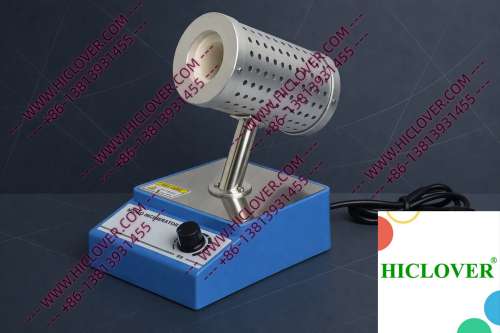
The Micro Incinerator employs high-temperature infrared heat within a closed ceramic tube to achieve rapid sterilization. This design minimizes the risk of contamination during inoculation procedures, as it eliminates the open flame associated with traditional methods such as alcohol lamps or Bunsen burners. The enclosed environment of the sterilizer ensures that microorganisms are destroyed efficiently without the formation of aerosols that pose health risks in laboratory settings.
Application Scenarios for Effective Use
Laboratories must adapt their sterilization methods based on specific applications. Below are two common scenarios where the Micro Incinerator excels:
1. Use in Biosafety Cabinets
Biosafety cabinets are essential tools in a laboratory, providing a sterile environment while protecting users from exposure to infectious agents. When using a Micro Incinerator inside a biosafety cabinet, researchers can perform inoculation techniques with confidence, knowing that the closed-chamber design significantly reduces contamination risks. The convenience of rapid sterilization allows for more efficient workflows in these sensitive environments.
2. Field Testing Laboratories
Field testing often occurs in remote locations where traditional sterilization methods may not be feasible. The portability and light weight of the Micro Incinerator make it an ideal solution for on-site testing. Its rapid heating capability ensures that lab personnel can quickly sterilize inoculating loops or other instruments without needing external power sources, enhancing productivity in less-than-ideal settings.
Compliance with Biosafety Standards
Ensuring compliance with biosafety standards is a critical aspect of laboratory operations. Organizations such as the WHO have established guidelines that emphasize the need for effective sterilization techniques, especially in settings dealing with hazardous pathogens. In clean rooms and environments requiring stringent occupational safety, the use of traditional flame-based sterilizers can jeopardize compliance due to the potential for fire hazards and the creation of aerosols.
Micro Incinerators present a safer alternative that aligns with the following requirements:
- No open flames, which reduces fire risks in clean room environments.
- Aerosol-free handling of sterilized materials, ensuring greater safety and compliance.
- Faster sterilization times, ensuring compliance with operational efficiency standards.
Advantages of Micro Incinerators Over Traditional Flame Sterilizers
The following comparison highlights the significant benefits of using Micro Incinerators instead of traditional flame sterilizers like alcohol lamps and Bunsen burners:
| Feature | Micro Incinerator | Flame Sterilizers |
|---|---|---|
| Method of Sterilization | Infrared high-temperature disinfection | Open flame combustion |
| Contamination Control | Enclosed, aerosol-free | Open, aerosol-producing |
| Heating Time | Rapid (approx. 5-10 seconds) | Varies (5-15 seconds on average) |
| Safety | Significantly lower risk of burns, no flame | Risk of fire or burns |
| Portability | High (lightweight and compact) | Moderate (depends on size of equipment) |
Frequently Asked Questions
- What is the ideal temperature for sterilization using a Micro Incinerator?
Typically, a micro incinerator reaches temperatures of around 800°C (1472°F), effectively sterilizing metal instruments in a matter of seconds. - Is it safe to use a Micro Incinerator in clean room environments?
Yes, the Micro Incinerator is designed to be used without an open flame, thus meeting clean room requirements and promoting safety. - How do I maintain a Micro Incinerator?
Regular maintenance involves cleaning the ceramic tube and ensuring the electrical components are functioning properly. Consult the manufacturer’s guidelines for specific instructions. - Can a Micro Incinerator be used for different types of sterilization?
Primarily, it is used for sterilizing inoculating loops, but it can also be adapted for other metal instruments in laboratories. - How does a Micro Incinerator enhance workflow in teaching labs?
By providing quick and safe sterilization, teaching labs can engage students in practical applications without extensive delays, promoting a hands-on learning experience.
Conclusion
In summary, the Micro Incinerator / Infrared Inoculating Loop Sterilizer offers unparalleled efficiency and safety in laboratory sterilization. Its advanced capabilities address the practical challenges of contamination control and compliance with biosafety standards, making it an excellent investment for laboratories in any sector, including clinical diagnostics, research facilities, and educational institutions. If you’re looking to enhance your sterilization success, consider reaching out for more information about our high-quality Micro Incinerators today!
Categories:
Tags: