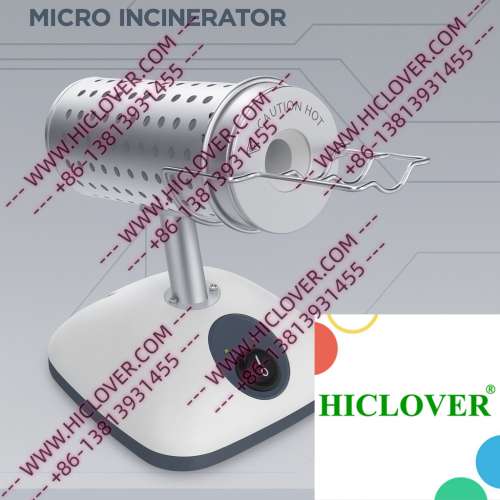
In the ever-evolving world of laboratory practices, challenges around biosafety and contamination control demand innovative solutions. As laboratories strive to maintain rigorous sterilization workflows, the Micro Incinerator, also known as the Infrared Inoculating Loop Sterilizer, has emerged as a game-changer, particularly in bustling cities like Berlin. By minimizing contamination and maximizing efficiency, this leading-edge piece of laboratory sterilization equipment addresses the pressing needs of modern scientific environments.
Understanding the Micro Incinerator: Design and Functionality
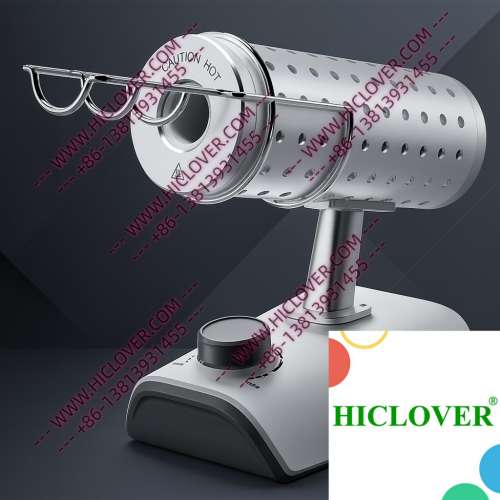
The Micro Incinerator operates on the fundamental principle of rapid thermal sterilization. Utilizing a ceramic heating chamber, it generates infrared high-temperature disinfection without employing an open flame. This enclosed system minimizes the risk of aerosol generation and allows for a clean-bench-safe environment, essential for sterile technique in sensitive tasks.
Technical Configuration
Equipped with an infrared heating element, the Micro Incinerator reaches temperatures exceeding 800°C, providing quick and thorough sterilization of inoculating loops, needles, and other small instruments. Featuring an ergonomic design, it allows for easy handling and can be easily integrated into any laboratory setting, from BSL-2 and BSL-3 microbiology labs to educational institutions.
- Infrared Heat: Ensures rapid heating without the risk of flames.
- Enclosed Ceramic Tube: Prevents contamination and enhances safety.
- Compact Design: Ideal for various lab settings.
- What is the advantage of using a Micro Incinerator over a traditional alcohol lamp?
The Micro Incinerator offers rapid thermal sterilization with no risk of open flames, thus enhancing safety and efficiency in laboratory workflows. - Can the Micro Incinerator be used in teaching labs?
Absolutely! It is an excellent tool for university teaching labs where students learn sterile techniques without the hazards associated with flame sterilizers. - Is the Micro Incinerator compliant with international lab standards?
Yes, it adheres to WHO biosafety standards and is designed to promote safe sterilization practices in various laboratory settings. - How does the Infrared Inoculating Loop Sterilizer improve contamination control?
The enclosed ceramic tube prevents the production of aerosols and ensures that your sterilization process is clean and efficient. - What types of labs benefit most from using the Micro Incinerator?
It is beneficial in BSL-2 and BSL-3 laboratories, field-testing facilities, and teaching labs, improving workflows and safety across the board.
Applications in Real Labs
The versatility of the Micro Incinerator shines in multiple laboratory environments. Here are two prominent application scenarios:
Biosafety Cabinets
In BSL-2 and BSL-3 laboratories, the Micro Incinerator finds its place within biosafety cabinets. These labs require stringent sterilization methods to prevent cross-contamination. The Micro Incinerator’s flame-free design allows researchers to sterilize their tools directly in sterile airflow, ensuring a contamination-free workspace. Used for inoculating loops, it provides quick sterilization, enabling researchers to maintain the flow of their work without downtime.
Field Testing and Mobile Labs
Beyond stationary laboratories, the Micro Incinerator is invaluable in mobile or field-testing labs where electrical power may be inconsistent. Its portability and robust design allow researchers to perform rapid thermal sterilization on-site without the need for bulky gas cylinders or open flames, streamlining workflows in diverse environments, from environmental sampling in remote locales to health assessments in temporary clinics.
Compliance: Meeting Global Standards
The critical importance of adhering to laboratory sterilization standards cannot be overstated. The World Health Organization (WHO) emphasizes the need for effective biosafety practices in laboratory environments. The Micro Incinerator aligns with these recommendations by eliminating open flames in clean rooms, which can pose fire hazards and generate aerosols that compromise sterile conditions. As laboratories seek compliance with safety guidelines and best practices, the adoption of safe sterilization equipment becomes paramount.
Micro Incinerator vs. Traditional Flame Sterilizers
| Feature | Micro Incinerator | Traditional Flame Sterilizers |
|---|---|---|
| Heat Source | Infrared | Open Flame |
| Safety | Flame-free | Risk of burns and fires |
| Contamination Control | Closed Design | Aerosol Risk |
| Speed | Rapid Sterilization | Variable, requires practice |
Frequently Asked Questions
Conclusion
The Micro Incinerator is not just a piece of laboratory equipment; it is a revolution in biosafety and sterilization practices. By transitioning to this innovative technology, laboratories in Berlin and beyond can enhance their operational efficiency, ensure compliance with global safety standards, and ultimately foster a safer research environment. Whether you’re part of a leading research institution or a university teaching lab, explore the potential of the Micro Incinerator today. For inquiries and to learn more about how to integrate this cutting-edge solution into your workflow, contact us now!
Categories:
Tags: