
In modern laboratories, maintaining a sterile environment is critical to ensure the accuracy of experiments and the safety of personnel. Traditional alcohol lamps and Bunsen burners, once staples of laboratory sterilization, present notable challenges in terms of safety, efficacy, and practicality. As research methods evolve, so too does the demand for innovative sterilization solutions, particularly for high-stakes environments such as BSL-2 and BSL-3 laboratories, teaching facilities, and field testing scenarios.
Laboratory Biosafety Challenges
In today’s laboratories, the risk of contamination remains a significant concern. Traditional flame-based sterilizers produce aerosols, which can compromise sterile environments, particularly in clean benches and biosafety cabinets. Moreover, do-it-yourself approaches using alcohol lamps can pose fire hazards and require constant monitoring, adding to the workflow complexity. As a result, there is a pressing need for an efficient means of sterilization that mitigates these risks while adhering to stringent compliance standards.
Introducing the Micro Incinerator
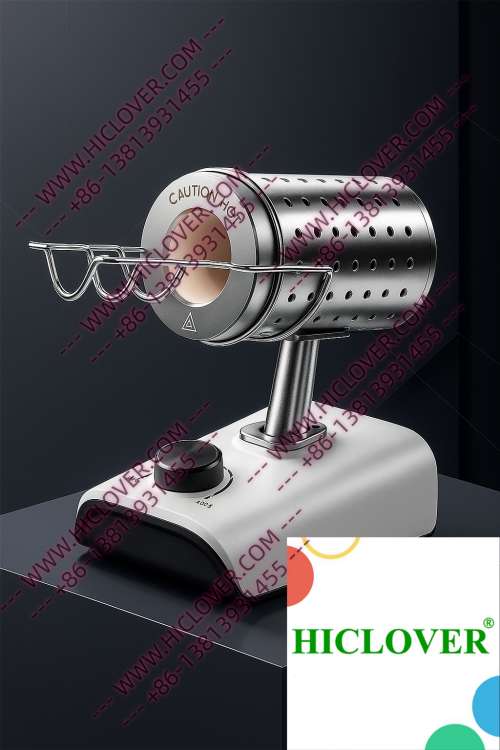
The Micro Incinerator, also known as an Infrared Inoculating Loop Sterilizer, is revolutionizing how laboratories approach sterilization. This cutting-edge device utilizes the principle of rapid thermal sterilization to eliminate contaminants swiftly and effectively. The principle behind the Micro Incinerator lies in its enclosed ceramic heating chamber, where infrared heat is produced to reach temperatures upwards of 800°C. This ensures the complete destruction of microbial life in mere seconds, with the added benefits of being clean-bench-safe and eliminating flame hazards.
Technical Configuration
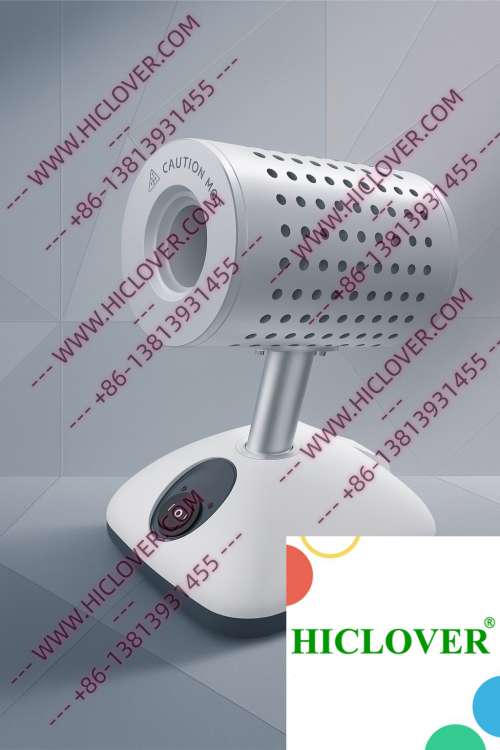
The Micro Incinerator features a compact design, making it ideal for both small and large lab spaces. Its user-friendly interface and robust design cater to various sterilization needs, providing high-temperature disinfection without the mess associated with traditional sterilizers. The enclosed chamber minimizes aerosol generation, making it suitable for work in sterile and controlled environments.
Applications in Real Labs
- Biosafety Cabinets: In BSL-2 and BSL-3 labs, where the risk of exposure to pathogens is elevated, using the Micro Incinerator drastically reduces contamination risks. It provides a safe and effective means of sterilizing inoculating loops and other instruments in the laboratory without the generation of harmful aerosols.
- Teaching Labs: Educational institutions benefit significantly from integrating such advanced sterilization tools into their laboratories. Not only does it enhance the learning experience, but it also instills best practices in future scientists regarding hygiene and safety.
- Field Testing Laboratories: For mobile lab settings or field tests, the Micro Incinerator proves invaluable. Its compact nature and the absence of an open flame allow researchers to ensure high-level disinfection even in remote locations.
Compliance and Environmental Considerations
When considering laboratory sterilization equipment, compliance with various biosafety standards is crucial. The World Health Organization (WHO) suggests that effective sterilization methods should mitigate risk factors present in labs involving biohazardous materials. The Micro Incinerator aligns with these guidelines, presenting a solution that meets laboratory sterilization standards while eliminating the risks associated with traditional flames.
Additionally, the absence of flame and reduced aerosol generation make the Micro Incinerator an eco-friendlier option, ideal for clean-room environments where any source of contamination—like those posed by traditional sterilization methods—must be minimized. The move towards sustainable practices in laboratories not only enhances safety but also aligns with current global efforts to implement environmentally friendly practices.
Comparison: Micro Incinerator vs. Traditional Flame Sterilizers
| Feature | Micro Incinerator | Traditional Flame Sterilizers |
|---|---|---|
| Temperature Control | Up to 800°C, accurate and consistent | Fluctuating temperatures, less control |
| Contamination Risk | Minimal aerosol generation | Higher risk due to open flame |
| Usability | Easier and safer to handle | More skills required to manage |
| Environment | Clean-bench-safe, eco-friendly | Potential risks in clean environment |
Frequently Asked Questions
- What is the main advantage of using a Micro Incinerator over a traditional flame sterilizer? The Micro Incinerator provides rapid sterilization at high temperatures without the risks associated with flames, thus enhancing safety and efficiency.
- Is the Micro Incinerator suitable for BSL-3 laboratories? Yes, it is specifically designed to meet the demands of high containment laboratories by minimizing contamination risks.
- How does the Micro Incinerator ensure high-temperature disinfection? It uses infrared technology to heat an enclosed ceramic tube uniformly, ensuring effective sterilization in seconds.
- Can the Micro Incinerator be used in university teaching labs? Absolutely, it is an ideal teaching tool, showcasing effective sterilization techniques while maintaining safety.
- What maintenance does the Micro Incinerator require? Minimal maintenance is needed, primarily routine checks for wear and tear on the ceramic heating element.
Conclusion
As laboratories continue to strive for higher standards of safety and efficiency, the Micro Incinerator stands as a pivotal advancement in sterilization technology. Transitioning from outdated alcohol lamps to this innovative device not only enhances compliance with safety regulations but also fosters a culture of advanced hygiene practices, particularly in sensitive environments like clean rooms, biosafety labs, and educational institutions.
Explore the possibilities of improving your sterilization protocols by incorporating the Micro Incinerator into your laboratory. Reach out today to learn how this groundbreaking device can elevate your laboratory’s operational safety and efficacy.
Categories:
Tags: