
In today’s increasingly complex laboratory environments, biosafety challenges loom large. The rise of multidrug-resistant pathogens and the need for stringent contamination control measure have created an urgent need for effective sterilization methods. Traditional sterilization techniques such as alcohol lamps and Bunsen burners, although widely used, have significant drawbacks in terms of safety, efficiency, andoperational flexibility. The emergence of advanced sterilization technologies like the Micro Incinerator, or Infrared Inoculating Loop Sterilizer, is poised to address these challenges head-on.
Understanding Micro Incinerators: The Technical Principles Behind Enhanced Efficiency
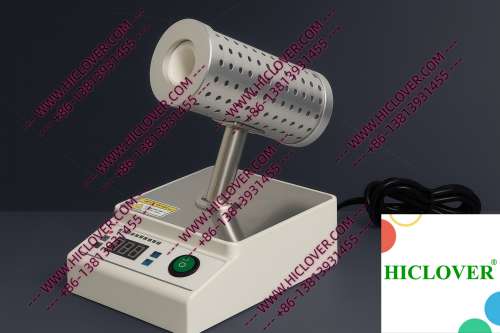
The Micro Incinerator utilizes infrared heat generated from a specialized ceramic heating chamber, achieving rapid thermal sterilization. This technology transcends traditional methods by delivering high-temperature disinfection without the need for open flames. The enclosed ceramic tube offers an effective barrier against aerosols, ensuring that pathogens are neutralized without dispersal into the lab environment.
One of the key benefits of this innovative sterilization equipment is its compact design, making it suitable for use in a variety of settings—from BSL-2 microbiology labs to educational institutions and even mobile field-testing labs. Unlike flame-based sterilizers, the Micro Incinerator allows for clean-bench-safe operation, maintaining the integrity of the sterile environment in crucial applications.
Applications of Micro Incinerators in Real Laboratory Settings
Micro Incinerators have found widespread adoption in diverse laboratory scenarios. Here are two illustrative application scenarios:
- Biosafety Cabinets: In a BSL-2 microbiology lab, quick sterilization of inoculating loops or scalpel blades is imperative. The Micro Incinerator’s rapid heating capacity allows for immediate reuse of these tools, reducing downtime and enhancing workflow efficiency. Its aerosol-free operation ensures that the integrity of the biosafety cabinet is maintained, safeguarding both personnel and samples.
- Clinical Diagnostics Labs: In clinical settings, where contamination control is paramount, the Micro Incinerator excels in sterilizing tools between patient samples. The infrared technology not only reduces the risk of aerosol generation but also minimizes the heat exposure on sensitive instruments, making it a reliable addition to any diagnostic toolkit.
Compliance and Environmental Considerations
Laboratory professionals must operate within established compliance frameworks to ensure safety and efficacy. The WHO sets stringent biosafety standards for the handling of infectious agents, particularly in BSL-3 labs. The use of flame-based sterilizers can compromise clean environments, especially in high-stakes laboratories where even the smallest contamination can lead to grave consequences.
In order to adhere to guidelines effectively, laboratories are increasingly moving toward sterilization solutions that minimize or eliminate flame usage. This pivots laboratories toward innovations like the Micro Incinerator, which meets various sterilization standards without posing risks associated with using open flames in sensitive settings, such as CO₂ incubators and anaerobic chambers.
Advantages Over Traditional Flame Sterilizers
The advantages of Micro Incinerators over traditional flame sterilizers are numerous:
- Safety: Eliminates risks of fire hazards and smoke production.
- Speed: Rapid thermal sterilization enhances workflow.
- Efficiency: Infrared heat provides uniform temperature across the sterilizing surface.
- Ease of Use: Requires minimal training compared to traditional flame methods.
- Environmental Control: No aerosols generated, maintaining lab safety and compliance.
Comparison Table: Micro Incinerator vs. Traditional Flame Burners
| Feature | Micro Incinerator | Flame Burner |
|---|---|---|
| Safety | Low risk of fire hazards | Potential fire hazards |
| Speed | Immediate sterilization | Variable, depends on user control |
| Aerosol Production | None | High due to open flames |
| Learning Curve | Easy to use | Requires skill and experience |
| Environmental Impact | Compliant with standards | Less compliant in BSL labs |
Frequently Asked Questions
- What types of laboratories can benefit from using a Micro Incinerator?
The Micro Incinerator is ideal for BSL-2 and BSL-3 laboratories, clinical diagnostics labs, and educational settings where rapid sterilization and safety are critical. - How does the Micro Incinerator compare to a Bunsen burner?
The Micro Incinerator offers safer, flame-free operation, rapid sterilization, and less environmental contamination compared to Bunsen burners. - Is the Micro Incinerator portable for field testing?
Yes, its compact design makes it well-suited for mobile testing environments, providing quick sterilization on the go. - What certifications do these sterilizers hold?
Micro Incinerators typically meet or exceed WHO biosafety standards, making them an excellent choice for compliance-focused laboratories. - Can the Micro Incinerator be used in anaerobic conditions?
Absolutely! It is effective in sterilizing tools used in anaerobic chambers without compromising the sterile environment.
Conclusion
In a world where laboratory safety and efficiency have never been more crucial, the Micro Incinerator represents a technological leap in microbiological sterilization. Its innovative features, compliance with global standards, and versatile applications position it as a must-have for forward-thinking laboratories. For those ready to enhance the safety and efficacy of their sterilization workflows, contact us today to learn how the Micro Incinerator can transform your laboratory practices.
Categories:
Tags: