
In the evolving landscape of laboratory biosafety, the challenges of effective sterilization have never been more pressing. Laboratories are tasked with the critical responsibility of preventing contamination while maintaining functional workflows. Among the innovative solutions to address these demands is the Micro Incinerator, specifically designed for efficient and rapid thermal sterilization of inoculating loops and other tools.
Understanding Micro Incinerators: How They Work
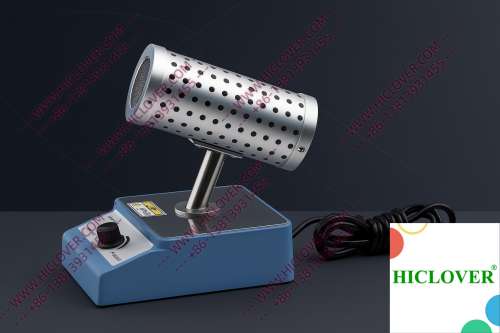
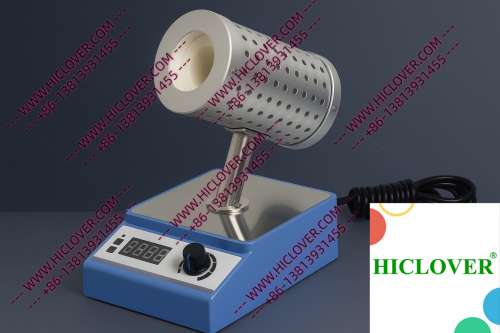
The Micro Incinerator, often referred to as an Infrared Inoculating Loop Sterilizer, leverages the principles of infrared heat to achieve high-temperature disinfection without the drawbacks associated with traditional flame sterilizers like alcohol lamps and Bunsen burners. Utilizing an enclosed ceramic heating chamber, the Micro Incinerator generates focused heat that sterilizes instruments rapidly, which is a significant advantage for laboratories striving to enhance workflow efficiency.
The design typically incorporates a ceramic tube that ensures durability while providing consistent temperature control. This configuration not only enhances safety by eliminating open flames but also significantly reduces the potential for aerosol generation, thus promoting a more sterile environment.
Applications of Micro Incinerators in Real Labs
1. Biosafety Cabinets
In BSL-2 and BSL-3 microbiology labs, where strict contamination control is paramount, Micro Incinerators play a crucial role. They can be seamlessly integrated into biosafety cabinets, allowing researchers to sterilize inoculating loops and tools without compromising the integrity of the clean environment. Their compact design ensures they fit comfortably within these cabinets, facilitating effortless operation. This integration minimizes the risk of contamination, enhancing the reliability of experimental outcomes.
2. Field Testing Laboratories
In the context of mobile or field testing labs, where conditions can be unpredictable, Micro Incinerators offer a portable solution for rapid sterilization. Their ability to operate without the need for a combustion source means they can be used in outdoor settings without the risk associated with flames. This is particularly useful in environmental testing or clinical diagnostics, where immediate sterilization of tools is necessary to prevent cross-contamination amid variable environmental parameters.
Compliance and Environmental Considerations
When selecting laboratory sterilization equipment, adherence to compliance standards is critical. The World Health Organization (WHO) outlines specific biosafety guidelines to ensure safe laboratory practices. The conventional methods often introduce risks associated with flames in clean rooms, where even the smallest aerosol particles can lead to contamination.
Micro Incinerators meet rigorous lab sterilization standards, ensuring no open flames compromise sterile environments. This is especially relevant in teaching labs, where demonstrating safe laboratory practices is essential. Using a flame-free sterilizer, such as a Micro Incinerator, not only meets regulatory compliance but also instills best practices in students, preparing them for future work in sensitive environments.
Advantages of Micro Incinerators over Traditional Flame Sterilizers:
- Rapid thermal sterilization compared to slower heat sources.
- Elimination of fire hazards in confined spaces.
- Minimized contamination risk through aerosol-free handling.
- Consistent and reliable performance with ceramic heating tubes.
Micro Incinerators vs. Traditional Flame Burners
| Feature | Micro Incinerator | Tradition Flame Sterilizer |
|---|---|---|
| Heat Source | Infrared Ceramic Tube | Open Flame |
| Safety | Flame-Free | Fire Hazard |
| Disinfection Speed | Rapid | Variable |
| Contamination Control | Aerosol-Free | Risk of Cross-Contamination |
Frequently Asked Questions
- What is a Micro Incinerator used for?
Micro Incinerators are primarily used for the rapid sterilization of inoculating loops and other laboratory instruments to ensure contamination-free procedures. - How does the Micro Incinerator compare to flame sterilizers in terms of safety?
Unlike traditional flame sterilizers, Micro Incinerators provide a flame-free environment, significantly reducing fire hazards within the laboratory. - Can a Micro Incinerator be used in teaching labs?
Yes, its safety features and ease of use make it an excellent tool for teaching labs, helping students learn best practices in sterilization. - What are the energy requirements for a Micro Incinerator?
Micro Incinerators are designed to be energy efficient, consuming less power than conventional sterilization units. - Are Micro Incinerators compliant with laboratory safety standards?
Yes, they are designed to meet WHO biosafety and laboratory sterilization standards, making them suitable for a variety of laboratory environments.
Conclusion
In an era where laboratory safety and efficiency are paramount, Micro Incinerators stand out as a superior choice for sterilization. Their innovative design not only addresses the practical challenges of laboratory workflows but also aligns perfectly with compliance requirements, making them indispensable in various settings, including BSL-2 laboratories and mobile field testing operations.
If you are seeking high-quality Micro Incinerator / Infrared Inoculating Loop Sterilizer solutions, contact us today to explore our range of products tailored for your laboratory needs. Experience the innovation and efficiency that are reshaping laboratory sterilization practices across the UK and beyond.
Categories:
Tags: